
Natal Travel Guide
Natal is the capital of Rio Grande do Norte — a state with more coastline per square kilometer than almost anywhere in Brazil. The city’s calling card is Morro do Careca, a 120-meter sand dune that rises directly from the sea at the southern end of Ponta Negra beach. Beyond the dune, the region offers some of the Northeast’s best day trips: the Genipabu dune buggy circuit, offshore reef snorkeling at Maracajaú, and the cliffs and dolphins of Pipa 85km south. It’s a destination that rewards a proper 5-day visit.
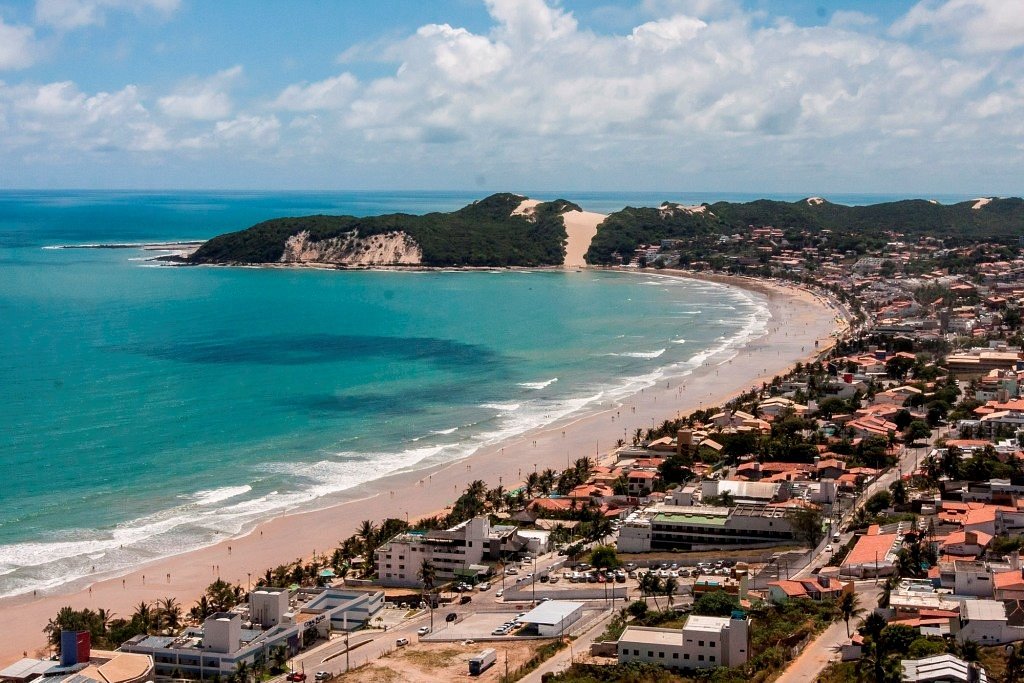
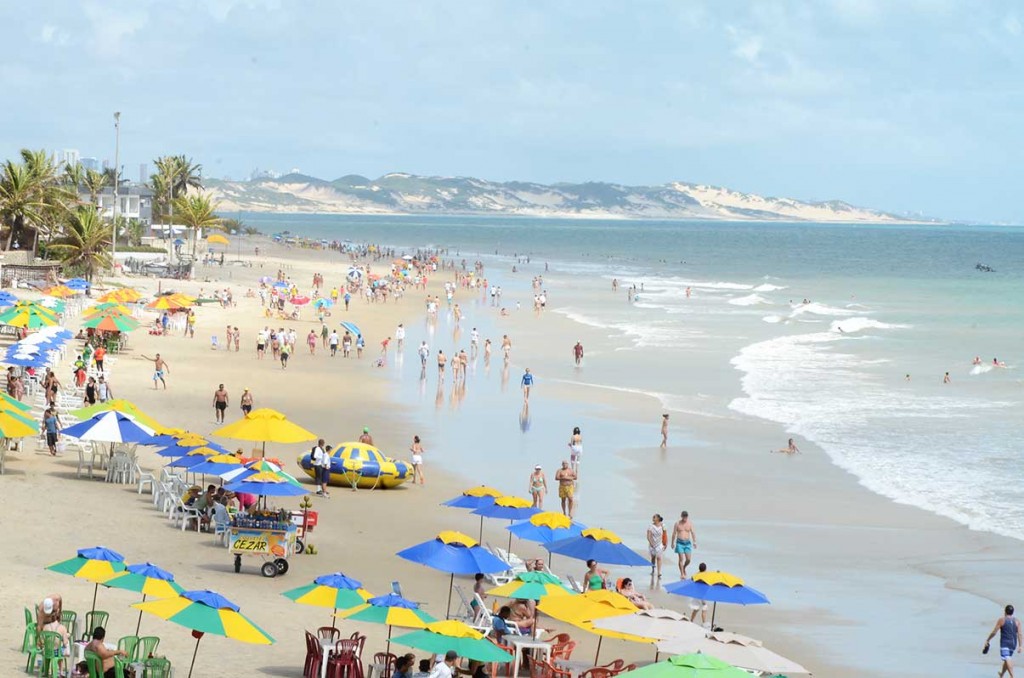
Ponta Negra beach with Morro do Careca — the defining image of Natal and the starting point for any visit to Rio Grande do Norte.
About Natal
Natal sits at the northeastern tip of Brazil, close enough to the equator that the sun arrives with full force year-round. The city proper is a mid-size Brazilian capital with most of the standard urban complexity — but tourists rarely leave Ponta Negra, and Ponta Negra is a compact, walkable beach neighborhood with good infrastructure and the Morro do Careca as a constant backdrop.
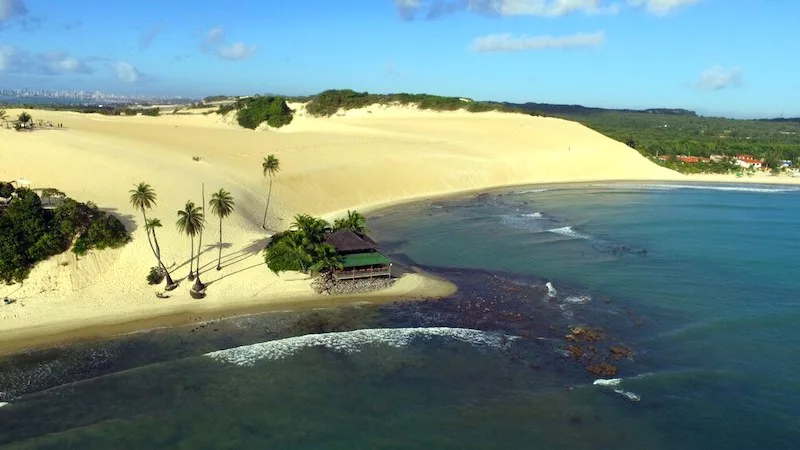
What sets Natal apart from other Northeast beach capitals is the dune landscape. The coastline of Rio Grande do Norte is characterised by large sand formations that meet the sea — creating not just beaches but a layered terrain of dunes, lagoons, and reef pools that makes the region more varied than its reputation suggests.
Why Visit Natal
- Morro do Careca. A 120-meter dune rising from the sea at the end of Ponta Negra beach. Climbing is prohibited but the view from the beach at sunset is one of the best free experiences in the Northeast.
- Genipabu dune buggy tours. The most thrilling outdoor activity in the region — large dune formations, freshwater lagoon, cashew wine, and steep descents that most visitors describe as the highlight of their trip.
- Maracajaú reef snorkeling. Offshore coral pools 50km north with sea turtles, rays, and clear shallow water. No diving required — the pools are waist to chest deep at low tide.
- Pipa. 85km south — one of the best beach towns in Brazil with spinner dolphins, dramatic cliffs, and a village atmosphere that rewards staying overnight.
- Affordable. Natal is cheaper than Fortaleza or Recife for comparable accommodation and food. Good lobster and shrimp at prices that feel like a bargain coming from Europe or North America.
- Less crowded than other Northeast capitals. Fewer international tourists than Fortaleza — the beaches are less commercial and the tourist infrastructure is more local.
Top Things to Do in Natal
The Genipabu dune buggy tour is the signature Natal experience — a half-day circuit through a protected dune park 30km north of the city with com emoção descents, lagoon swimming, and cashew wine at a floating bar. Book through your hotel and confirm the total price before departing.
Maracajaú reef snorkeling requires checking the tide table and timing your visit for low tide — at high tide the pools are submerged. Organized tours from Ponta Negra handle the logistics and time the boat departure correctly.
In the city, the Forte dos Reis Magos is worth a half-afternoon — the 1598 Portuguese star fortress at the river mouth has excellent views and a small military history museum. Sunset at Ponta Negra looking toward Morro do Careca is the best free experience in Natal and should be done at least once regardless of trip length.
Best Beaches in Natal

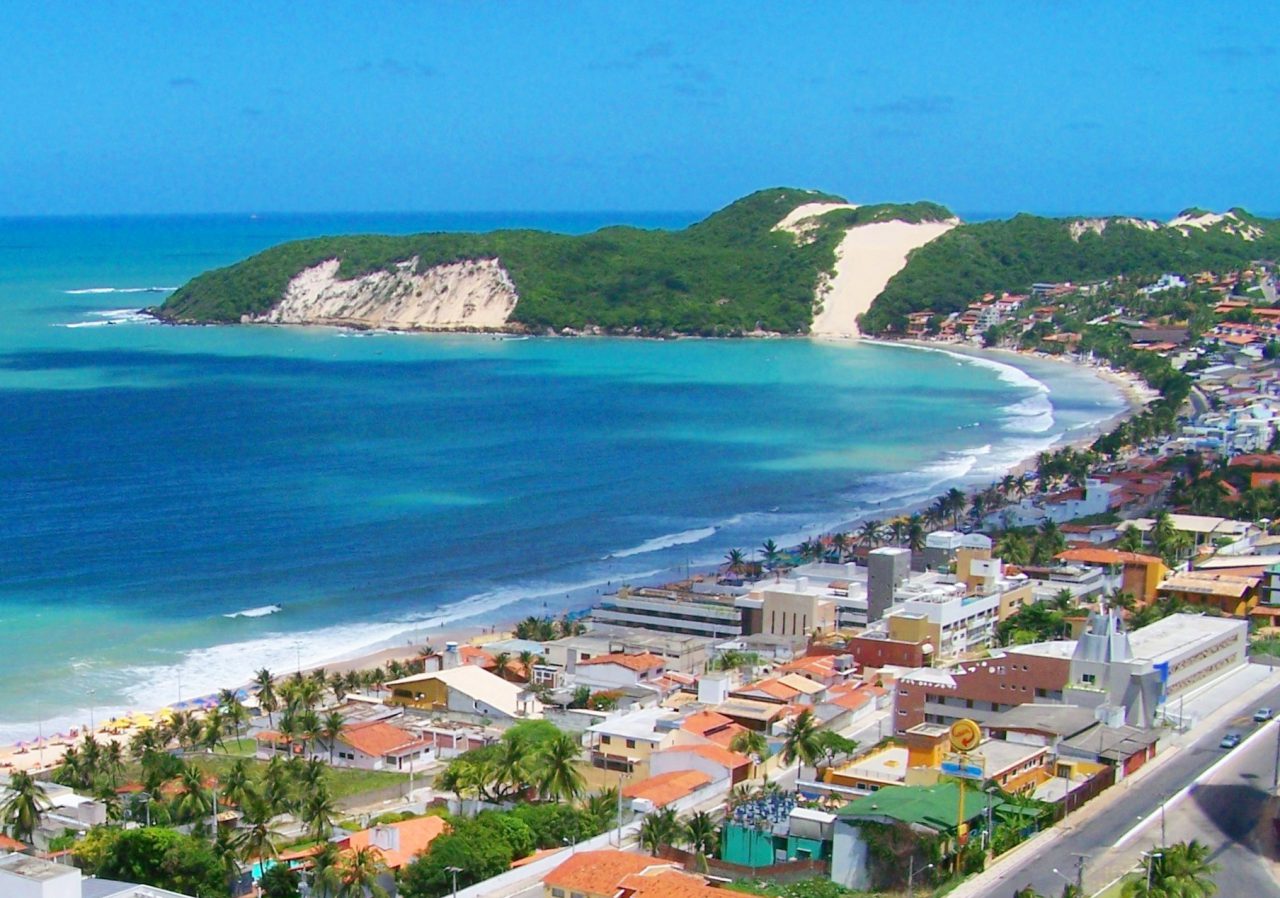
Morro do Careca at Ponta Negra — Natal’s most iconic beach scene and the starting point for exploring the Rio Grande do Norte coastline north and south.
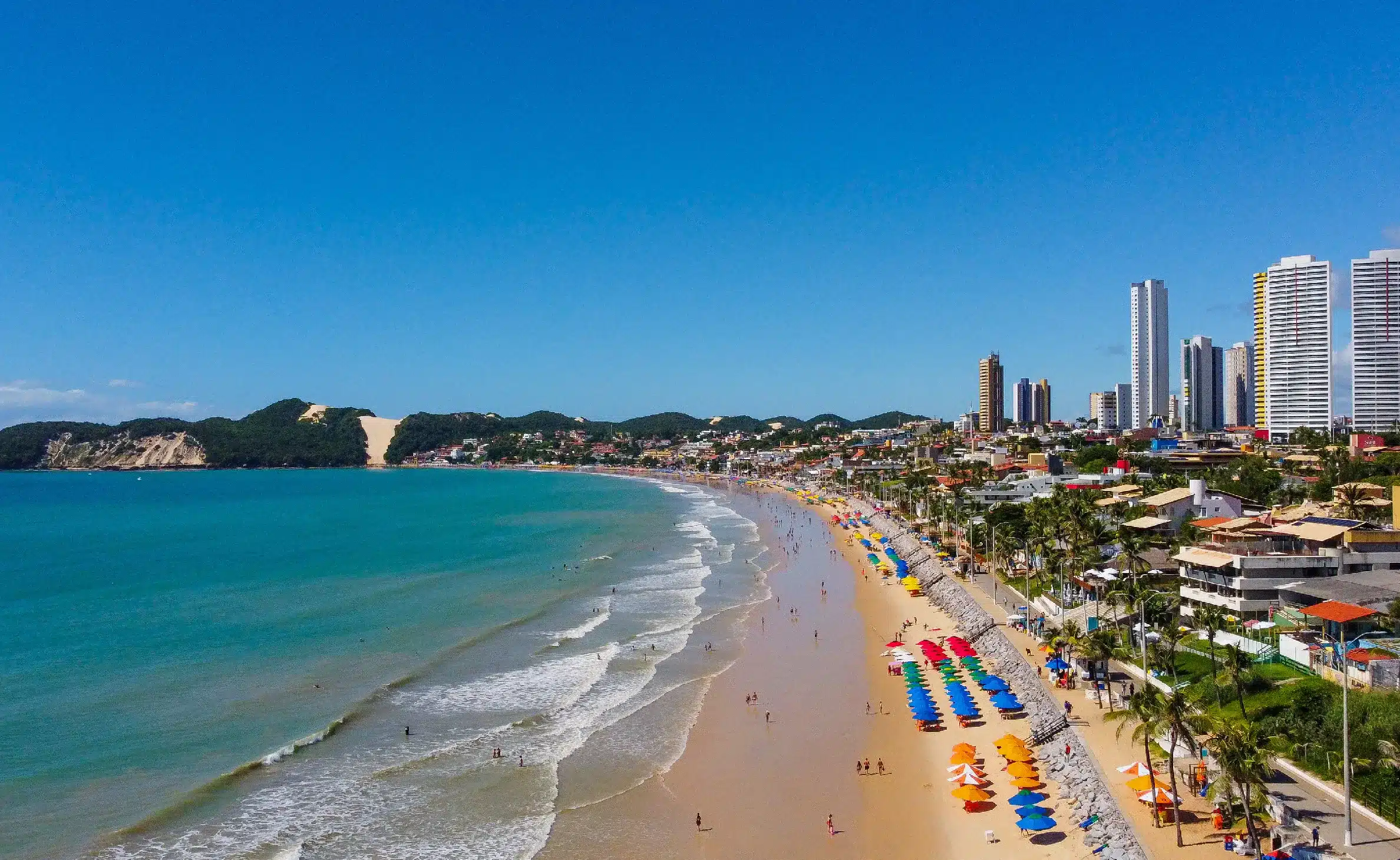
Ponta Negra is the main city beach — wide, well-maintained, and backed by the Morro do Careca dune. Safe swimming in the central section. Genipabu has a freshwater lagoon behind the dunes and ocean beach beyond. Pirangi do Norte offers calm reef-protected water 25km south plus the world’s largest cashew tree. Maracajaú is a reef destination rather than a conventional beach — visited by boat for the natural pools. Pipa has the most dramatic scenery — red cliffs, spinner dolphins, and multiple beach environments 85km south.
Where to Stay in Natal
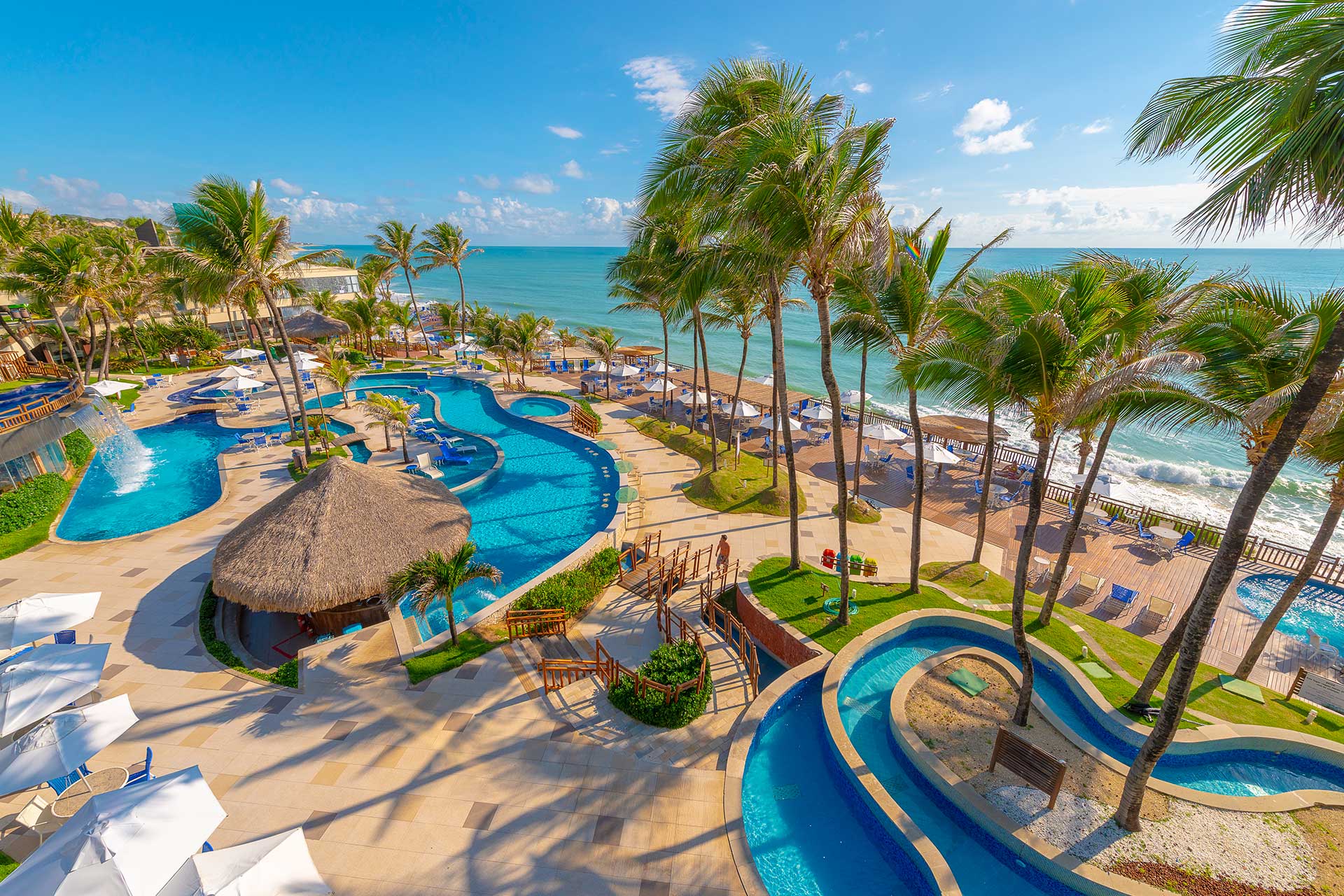
Stay in Ponta Negra. There is no practical reason to base yourself anywhere else. The neighborhood has beach access, the full range of tour operators for Genipabu and Maracajaú, the best restaurants, and hotels across every budget from hostels to boutique properties. Via Costeira — the resort strip between the city and Ponta Negra — suits families wanting a self-contained resort experience, but requires transport for everything outside the hotel.
Is Natal Safe?
Natal is moderately safe for tourists in Ponta Negra and Via Costeira. Petty theft — phone snatching and bag theft on the beach — is the primary risk. Use Uber after dark rather than walking between areas. Don’t display phones or valuables openly on the beachfront promenade. The city’s crime statistics have improved significantly over the last decade but remain elevated in areas outside the tourist zone. Stay within the coastal strip and apply standard urban awareness.
How Much Does Natal Cost?
Natal is one of the more affordable destinations in the Northeast. Budget travelers can get by on $35–55 per day (hostel, local food, activities). Mid-range visitors with a good Ponta Negra hotel typically spend $80–130 per day. The main cost variables are accommodation tier and how many organized day trips you do — each tour (Genipabu, Maracajaú, Pipa) adds approximately $25–50 per person. Lobster and shrimp are exceptional value compared to European or North American prices.
Best Time to Visit Natal
September to November is the best time overall — dry season weather, reliable conditions for dune tours and reef snorkeling, and accommodation prices 20–30% below the December–February peak. October is the best single month. December to February has the best weather but the highest prices and most crowded beaches. The rainy season (April–July) disrupts outdoor activities but brings the lowest prices of the year.
All Natal Guides

Ready to plan? Our itinerary guide gives you day-by-day plans for 3, 5, and 7 days in Natal and the Rio Grande do Norte coast.
Natal Itinerary →