
São Paulo Travel Guide
Brazil’s largest city — the best food scene in South America and a cultural life that never stops. Museums, street art, nightlife, and one of the most diverse restaurant landscapes on the continent.

São Paulo’s Avenida Paulista — the financial and cultural spine of Brazil’s largest city, home to MASP and some of the country’s best museums.
About São Paulo
São Paulo is the largest city in the Southern Hemisphere and one of the ten largest metropolitan areas in the world. With over 22 million people in the greater metro area, it operates on a scale that takes some adjustment — the traffic alone can feel like a city unto itself.
But São Paulo rewards people who engage with it. The food scene is genuinely world-class — shaped by the largest Japanese diaspora outside Japan, a massive Italian-Brazilian community, Lebanese, Korean, and Northeastern Brazilian populations all cooking side by side. You can eat extraordinarily well here at almost any budget.
The city doesn’t have Rio’s scenery or Salvador’s cultural identity, but it has something those cities don’t: density of experience. Museums, galleries, live music venues, independent bookshops, and some of the best restaurants in Latin America are packed into neighborhoods like Pinheiros, Vila Madalena, and the Jardins. For a certain kind of traveler, São Paulo is the most interesting city in Brazil.
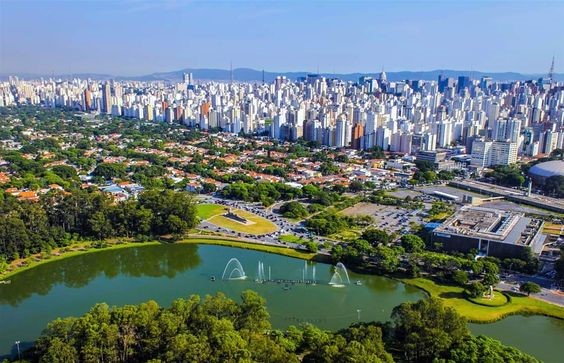
Parque Ibirapuera — 160 hectares of park in the middle of São Paulo, designed by Oscar Niemeyer and home to several of the city’s best museums.
Why Visit São Paulo
🍽 Best food scene in Brazil
Japanese, Italian, Lebanese, Korean, Northeastern — São Paulo’s immigrant history created the most diverse and consistently excellent restaurant scene in South America.
🎨 World-class museums
The MASP, Pinacoteca, and Instituto Moreira Salles make São Paulo one of the best cities in Latin America for art and culture.
🏙 Nightlife and music
SP has the best club and live music scene in Brazil — from jazz bars in Pinheiros to massive electronic clubs in the center. Something is happening every night.
🌿 Parque Ibirapuera
A 160-hectare park in the middle of the city with museums, a lake, jogging paths, and weekend markets. One of the great urban parks in the world.
🛍 Shopping and design
From high-end boutiques in the Jardins to independent design shops in Pinheiros and vintage markets on weekends — SP is Brazil’s capital for shopping and fashion.
✈️ Best transport hub
Guarulhos Airport has the most international connections in Brazil. If you’re flying into the country and continuing elsewhere, São Paulo is almost always the entry point.
Top Things to Do in São Paulo
🎨 MASP
The Museu de Arte de São Paulo sits on Avenida Paulista on glass pillars, with one of the best art collections in Latin America. Entry is free on Tuesdays. The Sunday antiques fair underneath is worth the visit on its own.
🌿 Parque Ibirapuera
Designed by Oscar Niemeyer, the park has the MAC museum, a Japanese pavilion, a planetarium, and enough space to spend a full afternoon without repeating a path.
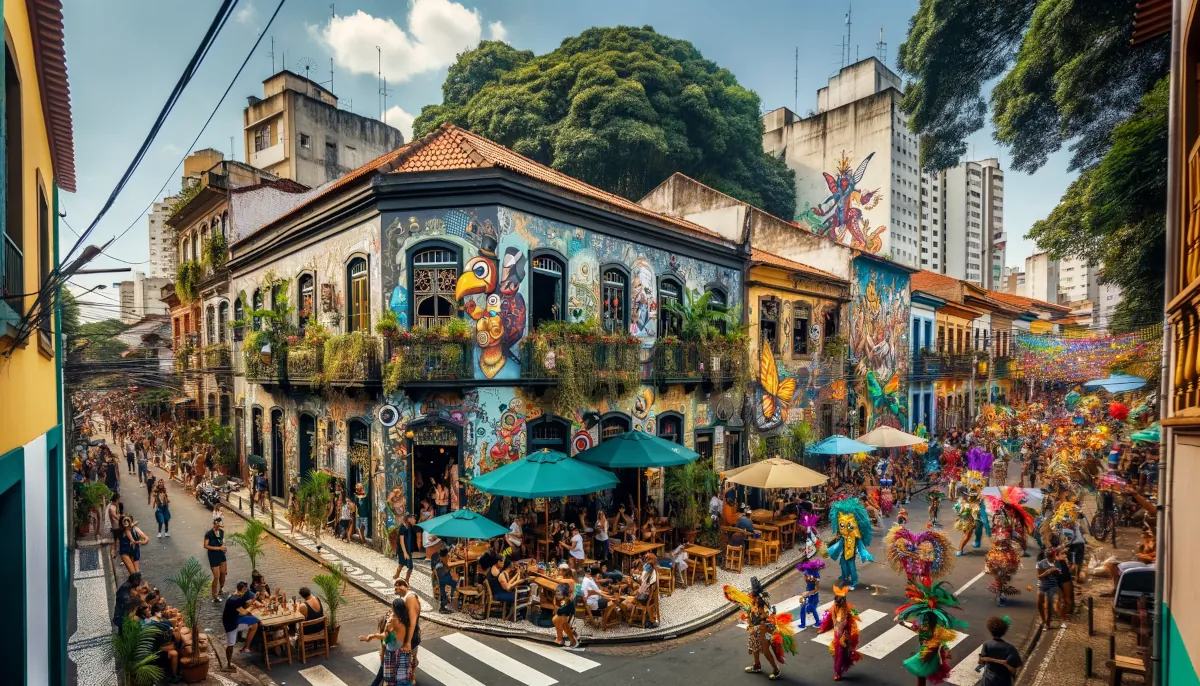
🎭 Vila Madalena and Pinheiros
The Beco do Batman is SP’s most photographed street art corridor. The surrounding neighborhood and Pinheiros next door have the best concentration of bars, restaurants, and independent shops in the city.
🛒 Mercadão
A stunning neo-Gothic building filled with spices, cheese, cured meats, and tropical fruit. Go hungry — the mortadella sandwich and pastel de bacalhau here are São Paulo institutions.

⛪ Centro Histórico
The Catedral da Sé, Pateo do Collegio, and the Pinacoteca are all within walking distance. Go during the day — lively and safe with crowds around, less so at night.
🍣 Eat in Liberdade
SP’s Japanese neighborhood is the largest Japanese community outside Japan. The Sunday street market on Praça da Liberdade has food stalls, crafts, and a genuine neighborhood energy.
See every activity in detail, with timing, costs, and insider tips for each one.
Things to Do in São Paulo →Best Areas to Stay in São Paulo
Jardins / Itaim Bibi
UpscaleThe most upscale area in the city. Safe, walkable, and home to São Paulo’s best restaurants and high-end hotels. Sits next to Avenida Paulista — the easiest base for first-time visitors who want comfort and location.

Vila Madalena
Mid-RangeThe bohemian, creative neighborhood with the best bar scene in the city. Good guesthouses and boutique hotels, excellent restaurants, and walking distance to Pinheiros. The best choice for travelers who want character over polish.
Pinheiros
Mid-RangeBetween Vila Madalena and the Jardins, Pinheiros is São Paulo’s most livable neighborhood — independent coffee shops, good food at every price point, design stores, and a relaxed street energy. Growing fast as a base for digital nomads.
Get the full breakdown of every neighborhood, with pricing and who each one suits best.
Where to Stay in São Paulo →Is São Paulo Safe?
São Paulo has a reputation for being dangerous, and parts of the city are. But the neighborhoods where tourists spend time — Jardins, Pinheiros, Vila Madalena, Itaim Bibi — are among the safer urban areas in Brazil. The key is knowing where you are.
Jardins, Pinheiros, Vila Madalena
These are where most tourists and expats spend their time. Serious incidents are uncommon. Moema and the areas around Parque Ibirapuera also fall into this category.
Centro and Avenida Paulista
Centro during working hours is manageable but requires awareness. Avenida Paulista is generally safe during the day. Avoid wandering into side streets you don’t know at night.
Cracolândia
The area near Luz station known for open drug use. No tourist value — no reason to go. Centro late at night and peripheral neighborhoods far from tourist corridors also fall in this category.
How to move around safely
Use the metro during the day — it’s safe, clean, and efficient. Use Uber at night rather than walking. Keep your phone in your front pocket, not your back pocket.
São Paulo is very manageable for tourists who stick to the main neighborhoods. You can spend a week in Jardins, Pinheiros, and Vila Madalena without ever feeling unsafe — as long as you apply basic urban awareness.
Read the full safety breakdown, including specific neighborhoods and common situations to avoid.
Is São Paulo Safe for Tourists? →How Much Does It Cost to Visit São Paulo?
Hostel in Vila Madalena or Centro, eating at per-kilo restaurants and street food, metro for transport. São Paulo’s budget food scene is excellent — you can eat very well cheaply.
Boutique hotel in Pinheiros or Jardins, proper restaurant meals, Uber for most transport, museum entry fees. The most comfortable way to experience the city.
Five-star hotels like Fasano or Emiliano, São Paulo’s top restaurants — some of the best in Latin America — private transfers. The ceiling here is genuinely high.
See the full cost breakdown for food, transport, and activities in São Paulo.
How Much Does São Paulo Cost? →Best Time to Visit São Paulo
Autumn
Mild temperatures (18–24°C), lower humidity, and less rain. The most comfortable time to walk the city and eat your way through neighborhoods.
Winter
São Paulo Fashion Week, major art exhibitions, and the best of the city’s indoor cultural life. Cooler and drier — good for museums and restaurants.
Spring
Warming up, some rain returning, but generally pleasant. Good window with fewer crowds than December and lower prices than the peak cultural months.
Summer
Hot, humid, and rainy — afternoon downpours are common. Still worth visiting since São Paulo is an indoor city, but the weather is less comfortable.
Get a full month-by-month breakdown of weather, events, and pricing.
Best Time to Visit São Paulo →FAQ About São Paulo
Depends what you’re after. Rio has beaches, scenery, and a more immediately exciting energy. São Paulo has better food, better museums, better nightlife, and a more complex cultural life. Many repeat visitors to Brazil prefer São Paulo. If you have time, do both.
Uber is the most straightforward option — expect R$60–100 ($12–20) depending on traffic and destination. There’s also the Airport Bus Service (EMTU) which connects to Tietê bus terminal. The trip takes 45–90 minutes depending on traffic.
Yes — it’s clean, safe, and efficient during the day. The network covers Avenida Paulista, the Parque Ibirapuera area, and the Centro. It gets very crowded during rush hour. For evening travel, use Uber.
Three days covers the main highlights — MASP, Ibirapuera, Vila Madalena, Mercadão, and a proper meal in Pinheiros. Five days lets you eat more slowly and explore neighborhoods at a real pace. São Paulo rewards time.
Start with the mortadella sandwich at Mercadão. Eat at a per-kilo restaurant for lunch. Try Japanese food in Liberdade. Have a proper feijoada on a Saturday. Eat pizza — São Paulo’s pizza culture is its own thing and the city takes it seriously.
Yes. Serra da Cantareira is a large Atlantic Forest reserve within city limits. Embu das Artes (30km) has a weekend craft market. Santos and Guarujá beaches are about 90 minutes by car. Campos do Jordão — a mountain resort town — is two hours away.
Have more questions? See the complete FAQ for São Paulo.
Full São Paulo FAQ →Final Tips for São Paulo
- Eat at a per-kilo restaurant for lunch. You pick what you want, pay by weight, and the quality at good ones is genuinely excellent. It’s how most Paulistanos eat on weekdays.
- Go to MASP on a Tuesday — entry is free. The Sunday antiques fair underneath the museum is one of the best in the city regardless of whether you go inside.
- Use the metro during rush hour at your own risk. It’s functional but extremely crowded between 7–9am and 5–8pm. Shift your timing if you can.
- Walk Avenida Paulista on a Sunday. The avenue closes to cars and becomes a pedestrian promenade with street performers, food vendors, and cyclists. One of the best free experiences in the city.
- Book dinner reservations in advance for well-known restaurants. São Paulo’s top spots fill up, especially on weekends.
- Don’t write off the Centro. Daytime visits to the Pinacoteca, Mercadão, and the historic streets around Praça da Sé are safe and genuinely interesting — just don’t linger after dark.
- São Paulo is a city of neighborhoods. Pick one or two to really know rather than trying to cover everything. Pinheiros alone has enough restaurants, bars, and shops to fill several days.