
Salvador Travel Guide
Brazil’s most African city — historic, musical, and unlike anywhere else in the country.

Pelourinho — Salvador’s UNESCO-listed historic center, one of the best-preserved colonial districts in Latin America.
About Salvador
Salvador is Brazil’s third-largest city and one of the most culturally distinct places in the country. It was the first capital of colonial Brazil, and that history is visible everywhere — in the architecture, the food, the music, and the people.
The city sits on a peninsula overlooking the Bay of All Saints (Baía de Todos os Santos), split between an Upper City (Cidade Alta) with the historic center and a Lower City (Cidade Baixa) along the waterfront.
Salvador has the largest African-descended population outside of Africa. That fact isn’t a footnote — it shapes everything about the city. Candomblé, acarajé, capoeira, axé music, and samba de roda all connect directly to West African roots brought here during the slave trade. Experiencing that culture is the main reason to visit.
Why Visit Salvador
Top Things to Do in Salvador
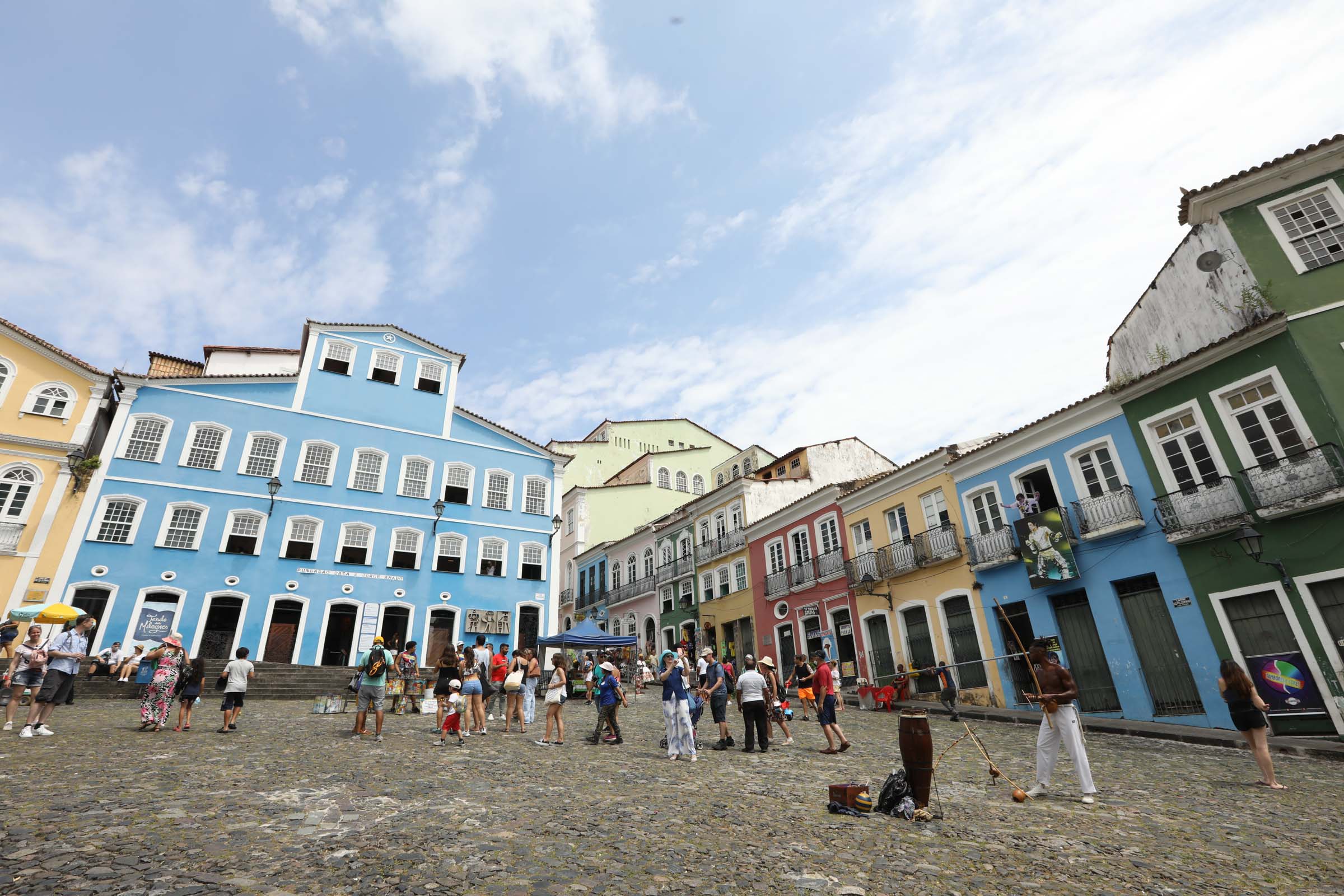
Walk Pelourinho
The UNESCO-listed historic center has colonial buildings, cobblestone streets, and live music most evenings. Go on a Tuesday when Olodum performs outside São Francisco church.

Igreja de São Francisco
The interior is covered in gold leaf — one of the most elaborate Baroque churches in Brazil. The entry fee is worth it.

Porto da Barra Beach
The most popular urban beach in the city. Calm, clear water and a central location. Best in the morning before it fills up.
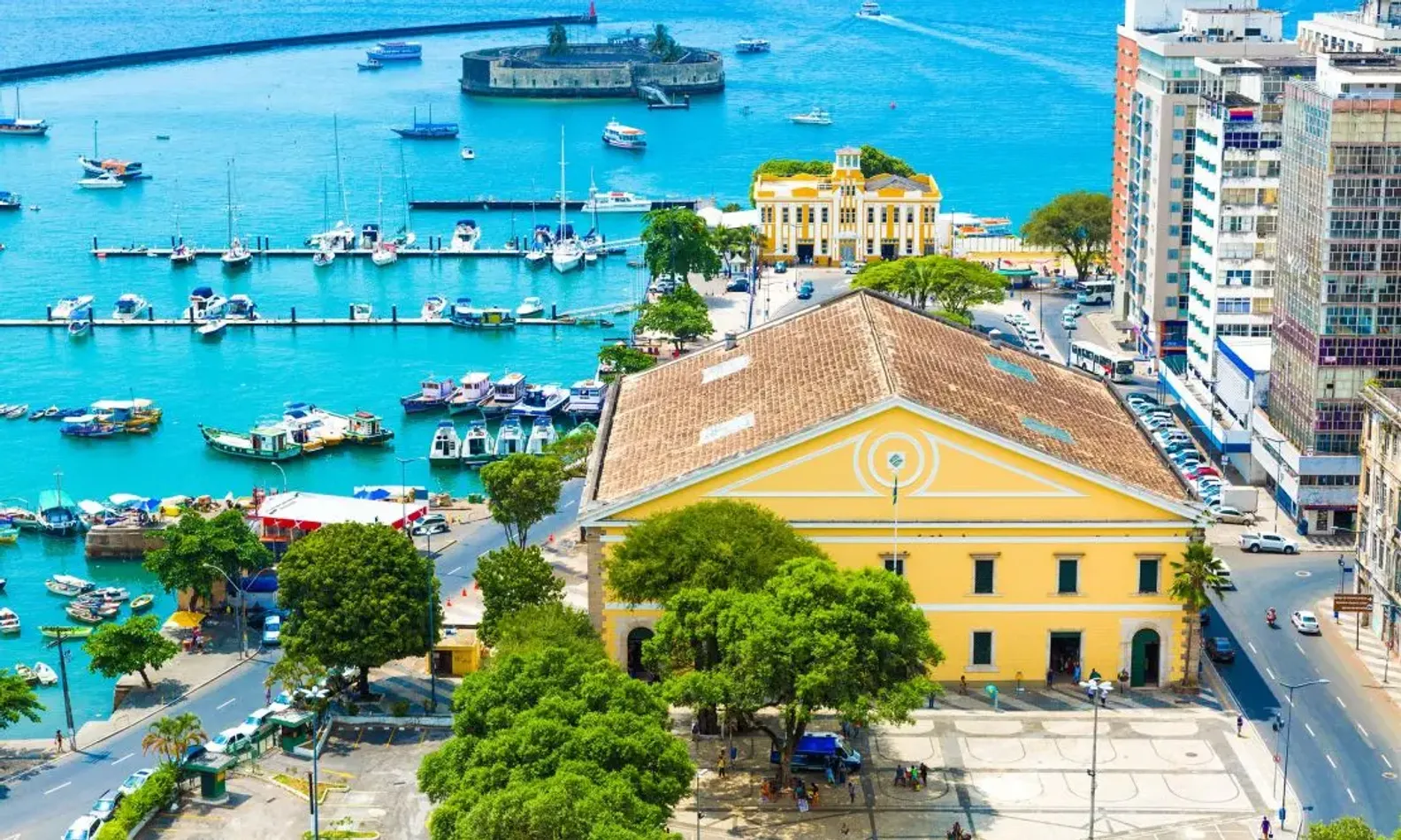
Elevador Lacerda
The art deco elevator connects the Upper and Lower City with a lookout point over the bay. Free to ride and one of the iconic images of Salvador.
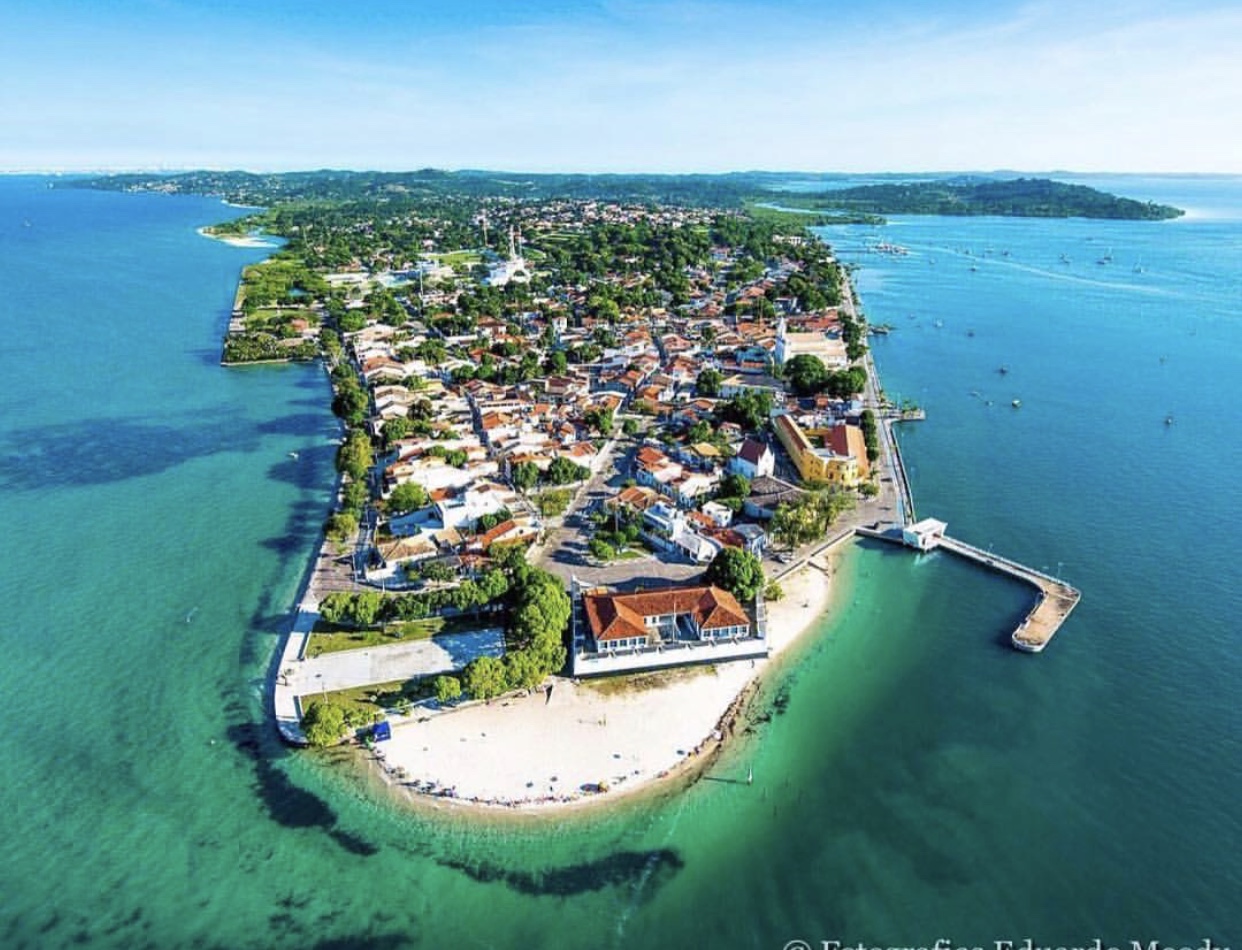
Ilha de Itaparica
A 45-minute ferry from the Terminal Marítimo. Calm water, small restaurants, and far fewer tourists than the city.
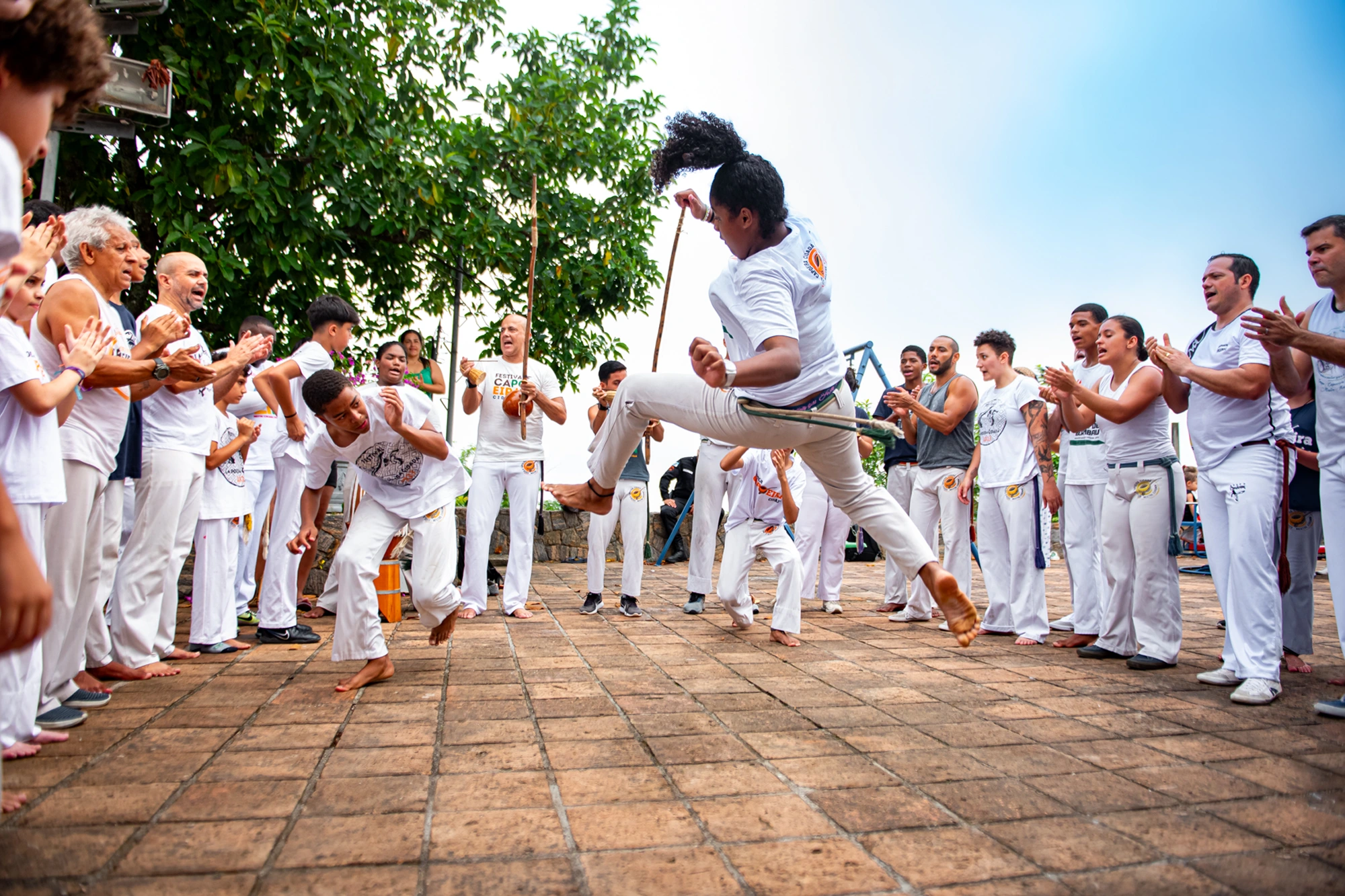
Watch Capoeira Live
The Forte de Santo Antônio and several spots in Pelourinho have regular demonstrations. Mestre Bimba’s original academy still runs classes in the city.
Best Areas to Stay in Salvador

Barra
The most practical choice for tourists. Close to Porto da Barra beach, with a good mix of hotels, restaurants, and bars. Easy access to both the historic center and the southern beaches. Good for first-time visitors.

Pelourinho
Staying in the historic center puts you in the middle of the culture. Pousadas and small hotels here are affordable and atmospheric. Lively at night — bring earplugs if you’re a light sleeper.

Rio Vermelho
A residential neighborhood with a great restaurant and bar scene. More local feel than Barra, with good boutique hotel options. Slightly further from the historic center but calmer and safer at night.
Best Beaches in Salvador
-
Porto da Barra
The best urban beach in Salvador. Calm, protected water and a central location near Barra neighborhood. Crowded on weekends but worth it. Best for swimming.
-
Itapuã
About 30km from the center, Itapuã has a more laid-back feel than the city beaches. Calmer, less crowded, and with coconut palms along the shore. Made famous by Vinícius de Moraes.
-
Praia do Forte
80km north of Salvador, this beach village has calm water, natural pools, a turtle conservation project (TAMAR), and a ruined colonial fort. A full day trip from the city.
Is Salvador Safe?
Salvador has a high crime rate by Brazilian standards, and Brazil already has a high crime rate by global standards. That’s the honest starting point. Most tourists visit without incident — but that’s because they stay in the right areas and take real precautions.
Salvador is worth visiting, but it requires more awareness than Rio or Florianópolis. Stay in Barra or Rio Vermelho, use ride apps at night, and follow local advice. Thousands of tourists visit every month without problems.
How Much Does It Cost to Visit Salvador?
Best Time to Visit Salvador
FAQ About Salvador
QDo I need to speak Portuguese to visit Salvador?
It helps a lot more than in Rio. English is less commonly spoken here, especially outside tourist areas. Learn basic phrases — people appreciate the effort and it makes daily interactions easier.
QHow do I get from Salvador airport to the city?
The airport is about 30km from the center. Uber works well and costs around R$60–90 ($12–18) to Barra or Pelourinho. There are also airport buses, but they’re slower and less convenient with luggage.
QIs it safe to walk around Pelourinho at night?
On the main streets during events, yes. On quieter side streets or after 10pm, go in a group or take a ride app. The area has improved significantly, but don’t let your guard down completely.
QHow many days do I need in Salvador?
Three to four days covers the historic center, beaches, food, and culture. Five or six if you want to do day trips to Praia do Forte or Ilha de Itaparica.
QCan I attend a Candomblé ceremony as a tourist?
Some terreiros welcome respectful outside visitors. Dress modestly, don’t photograph without permission, and follow the lead of locals. Ask your hotel or a cultural center for current schedules — not all ceremonies are open to the public.
QWhat’s the best way to get around Salvador?
Uber and 99 are the safest and most practical options, especially at night. The city has buses but they’re hard to navigate without Portuguese. Walking works well in Pelourinho and Barra during the day.
Final Tips for Salvador
- Visit Pelourinho on a Tuesday night — Olodum performs outside the Igreja dos Quinze Mistérios and the energy is unlike anything else in the city.
- Book accommodation early for Carnival. Prices triple and rooms sell out months in advance.
- Use Uber or 99 at night, even for short distances. It’s cheap and much safer than walking in unfamiliar areas after dark.
- Try acarajé from the Baianas de acarajé on the street — not from restaurants. The street version is the real thing.
- Carry small bills. Many small vendors and street stalls don’t have change for R$50 or R$100 notes.
- Don’t skip the Lacerda Elevator — the view over the bay from the top is one of the best in the city and it’s free.
- If you’re visiting a terreiro, dress conservatively and follow all protocols. Candomblé is a living religion, not a tourist attraction.
- The heat is real — stay hydrated, use sunscreen, and take breaks during the hottest part of the day (noon to 3pm).