
Natal Brazil FAQ — Most Common Questions Answered
Honest answers to the questions travelers ask most about visiting Natal — from how many days to spend and whether it’s safe, to getting around, what to do, and how it compares to other Northeast Brazil destinations.
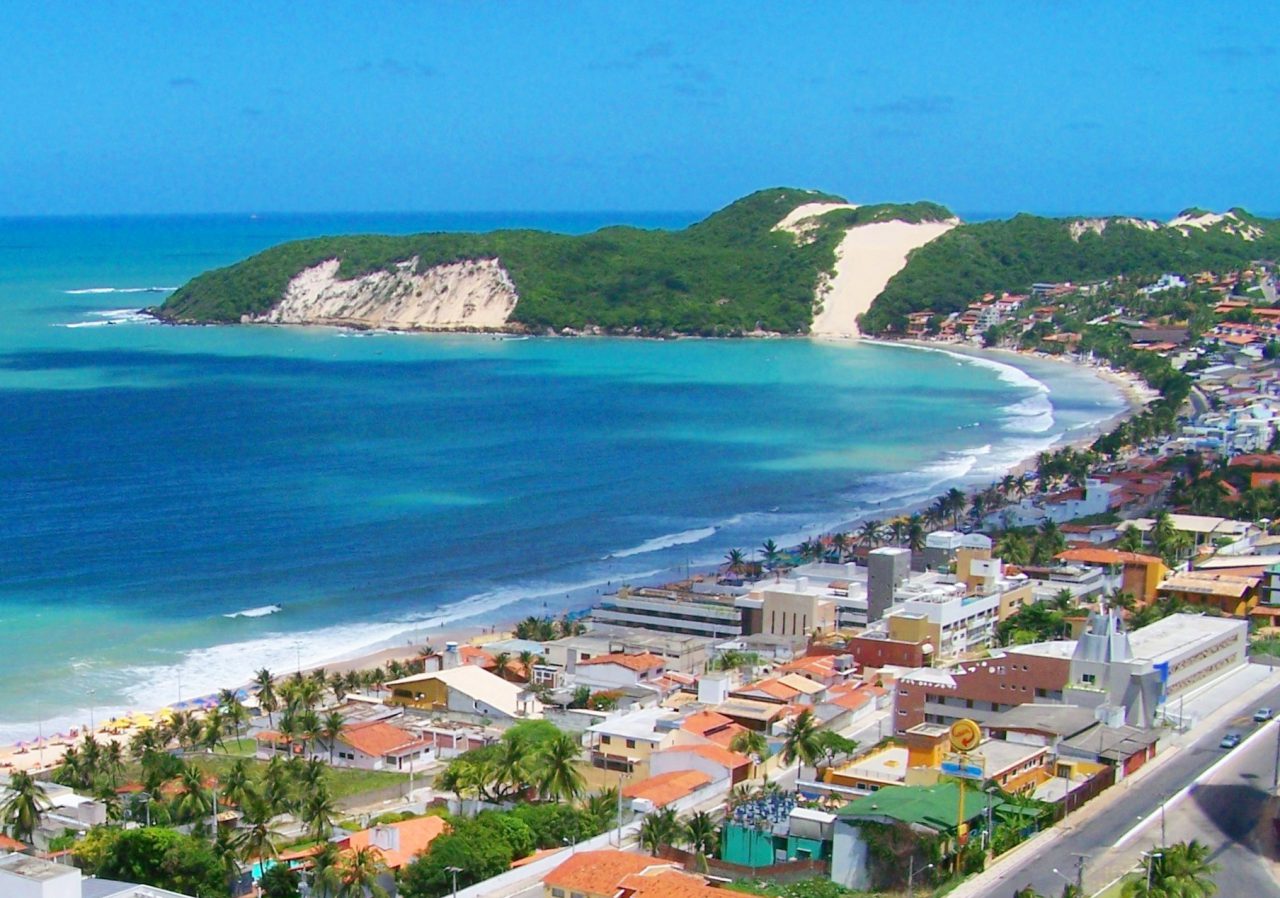
Natal — capital of Rio Grande do Norte and one of the Northeast’s most complete beach destinations, combining dunes, reef pools, and easy access to Pipa.
Yes — Natal is one of the more underrated beach destinations in Brazil. The natural pools at Ponta Negra, the Genipabu dune buggy experience, Maracajaú reef snorkeling, and the day trip to Pipa make it a strong choice for a Northeast Brazil beach trip. It gets fewer international tourists than Fortaleza or Recife, which is mostly an advantage — less crowded beaches, lower prices, and a more authentic local feel. The Morro do Careca dune backdrop at Ponta Negra is genuinely one of the best beach scenes in the Northeast.
Five days is the ideal length for a first visit — enough for Ponta Negra beach, a Genipabu dune buggy tour, Maracajaú reef snorkeling, the Forte dos Reis Magos, and a day trip to Pipa. Three days covers the core highlights without day trips. Seven days allows a relaxed pace with an overnight in Pipa and a visit to Pirangi do Norte. See our Natal itinerary guide for day-by-day plans.
Natal is moderately safe in the tourist areas of Ponta Negra and Via Costeira. The main risks are petty theft on the beach — phone snatching and bag theft in crowded areas — and taxi scams, particularly from the airport. Violent crime against tourists in the tourist zone is uncommon but not unheard of. Stay in Ponta Negra, use Uber after dark for all movement between areas, don’t display phones or valuables openly on the beach, and avoid walking the beachfront promenade alone late at night. See our full Natal safety guide for more detail.
September to November is the best overall window — dry season weather with accommodation prices 20–30% lower than the December–February peak. October is consistently the best single month. December to February has the best weather but the highest prices and most crowded beaches. The rainy season (April–July) brings frequent afternoon showers that can disrupt day trips, but also the lowest prices of the year. See our month by month weather guide for full details.
Natal’s international airport is the Aeroporto Internacional Governador Aluízio Alves (NAT), located in São Gonçalo do Amarante — 35km from Ponta Negra. Domestic flights connect from São Paulo (GRU/CGH), Rio de Janeiro (GIG/SDU), Recife (REC), Fortaleza (FOR), Brasília (BSB), and several other Brazilian cities. The transfer to Ponta Negra takes 40–50 minutes and costs R$80–120 by Uber. Always use Uber or a pre-arranged hotel transfer — never take unofficial taxis from the arrivals hall.
Ponta Negra is the right base for most visitors — beach access, restaurants, nightlife, and all tour operators within walking distance, across a range of budgets from hostels to boutique hotels. Via Costeira is the alternative for visitors who prefer a large resort hotel in a self-contained environment, though you’ll need transport for every meal and activity outside the hotel. Avoid the city center and anywhere not on the coastal tourist strip. See our full accommodation guide.
Yes, in the central section of the beach where lifeguards are stationed. The sea at Ponta Negra is open Atlantic — not reef-protected — so conditions vary. The safe swimming zone is clearly marked with flags: green (safe), yellow (caution), red (no swimming). Avoid the southern end near Morro do Careca, which has stronger currents. Don’t leave valuables unattended while swimming — phone and wallet theft while people are in the water is the most common crime at Ponta Negra beach.
Yes — it’s one of the best experiences in the Northeast and the main reason many visitors come to Natal specifically. The Genipabu dune complex is significantly more dramatic than the dunes at Ponta Negra, and the com emoção (with excitement) buggy descents through steep sand formations are genuinely thrilling. The freshwater lagoon visit and the cashew wine stop are pleasant additions. Book through your hotel or a well-reviewed operator in Ponta Negra, and confirm the total price before departing to avoid add-on charges during the tour.
Yes, if you go at the right time. Maracajaú’s reef pools are only accessible at low tide — at high tide the pools are submerged and there’s nothing to see. Check the tide table before booking your tour and confirm the operator times the boat departure around the low tide window. The marine life in the pools — sea turtles, rays, colorful fish — is genuinely impressive and the experience is appropriate for non-swimmers as most sections are waist to chest depth. The 50km drive north from Natal takes about an hour.
Yes, but it’s better as an overnight. The 85km south coast drive takes about 90 minutes each way, which makes a day trip feasible but rushed — you arrive when it’s busy and leave before the best evening atmosphere. If you have 5+ days in Natal, spending one or two nights in Pipa gives you the morning dolphin viewing at Baia dos Golfinhos when it’s quietest, the cliff sunset at Praia do Amor, and the village restaurant scene in the evening when the day-trippers have gone. As a day trip, prioritize the dolphin bay viewpoint and Praia do Amor.
Depends what you want. Fortaleza is a larger city with a more developed tourist infrastructure, better restaurants, more nightlife, and direct international flights from Europe and North America. Natal is smaller, less touristy, cheaper, and has a more distinctive natural setting — the Morro do Careca dune backdrop is unique. Fortaleza’s day trips (Jericoacoara, Canoa Quebrada) are among the best in the Northeast. Natal’s day trips (Genipabu, Maracajaú, Pipa) are equally good. If forced to choose, Natal suits travelers who prefer a quieter base with a strong beach and dune focus. Fortaleza suits those who want more city alongside the beach.
In the tourist areas of Ponta Negra, some hotel staff and tour operators speak basic English. Outside the main tourist zone, English is rarely spoken. Learning a few words of Portuguese makes a significant difference — at minimum: obrigado/obrigada (thank you), por favor (please), quanto custa (how much), and onde fica (where is). Google Translate with the camera function is useful for menus and signs.
Brazilian Real (BRL, R$). Cards are accepted at most hotels and restaurants in Ponta Negra. Cash is needed for beach vendors, smaller kiosks, jangada boat rides, and some buggy tour operators. ATMs are available throughout Ponta Negra. Inform your bank of travel to Brazil before departing to avoid card blocks. As of 2026, 1 USD ≈ R$5.0–5.5 — check the current rate before your trip.
Ready to plan your trip? Our Natal itinerary covers 3, 5, and 7-day plans for the beaches, dunes, and day trips.
Natal Itinerary →