
Best Time to Visit Natal Brazil – Month by Month Guide (2026)

Best Time to Visit Natal, Brazil — Month by Month Guide

Natal sits just south of the equator and has warm temperatures year-round — the main variable is rain. The dry season from September to February brings the best beach and dune conditions, clearest water for Maracajaú reef snorkeling, and most reliable weather for day trips. The rainy season from March to August can disrupt outdoor activities but brings significantly lower prices.
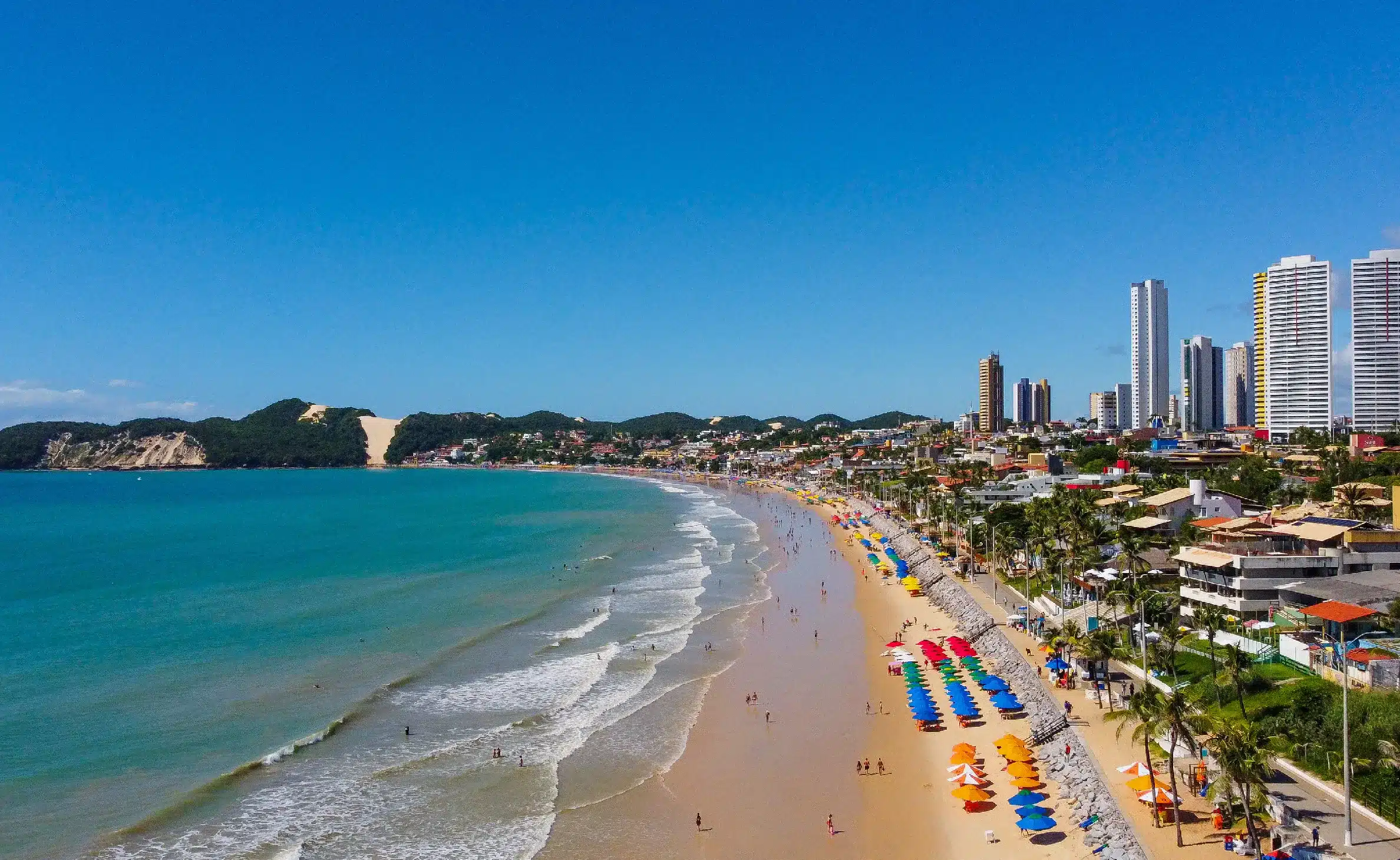
Ponta Negra beach Natal Brazil best time to visit dry season

Ponta Negra beach in the dry season — the best conditions for swimming, watersports, and dune visits run from September through February.

Quick Answer

💡 Best time to visit NatalSeptember to November — dry season weather, fewer crowds than the December–February peak, and accommodation prices 20–30% lower. October is consistently the best single month. December to February is excellent weather but the most expensive and crowded period.

The Two Seasons

✅ Dry Season September – February Best conditions for beaches, dune tours, and reef snorkeling. Clear skies, calm seas, reliable weather. December–February is peak season with highest prices and crowds. September–November is the sweet spot.
🌧 Rainy Season March – August More frequent rain, particularly May–July which are the wettest months. Temperatures stay warm (26–29°C) but outdoor activities can be disrupted. Lowest prices of the year.
⭐ Best Value September – November Dry season conditions at significantly lower prices than December–February. Fewer tourists, better accommodation availability, and the same good weather without the holiday crowds.
🎉 Peak Season December – February Brazilian summer holidays bring maximum visitors. Best weather but highest prices, busiest beaches, and most competition for accommodation and dune buggy tours.

Month by Month

January ⭐⭐⭐⭐ Hot, sunny, very busy. Peak Brazilian summer. Great weather, high prices.
February ⭐⭐⭐⭐ Still sunny but rain begins to build. Carnival month — busy and festive.
March ⭐⭐⭐ Rainy season begins. Prices drop. Rain mostly in afternoons.
April ⭐⭐ Rain increases. Mornings often clear but afternoon showers common.
May ⭐⭐ One of the wettest months. Beach days disrupted but prices lowest.
June ⭐⭐ Peak of rainy season. Still warm but frequent rain. Good for budget trips.
July ⭐⭐⭐ Brazilian school holidays bring visitors despite rain. Prices rise mid-month.
August ⭐⭐⭐⭐ Rain decreasing rapidly. Dry season approaching. Good conditions returning.
September ⭐⭐⭐⭐⭐ Excellent. Dry season established. Clear skies, calm sea, lower prices.
October ⭐⭐⭐⭐⭐ Best month overall. Perfect conditions, good prices, manageable crowds.
November ⭐⭐⭐⭐⭐ Excellent. Last best-value month before December prices rise.
December ⭐⭐⭐⭐ Great weather but prices rising fast from mid-month as holidays begin.

Crowds & Prices

Peak season (December–February): Brazilian summer holidays bring the most visitors. Ponta Negra hotels fill quickly and prices rise 30–50% above shoulder rates. Dune buggy tours and Maracajaú boat trips book up days in advance. The atmosphere is lively but the experience is more crowded and more expensive.

Shoulder season (September–November, March, August): The best combination of good conditions and reasonable prices. September to November is strongly recommended — dry season weather at prices closer to low season. March and August offer decent conditions as the rainy season transitions.

Low season (April–July): The wettest months with the cheapest prices. Beach days are possible — rain is typically in the afternoon and mornings are often clear — but organized day trips to Genipabu and Maracajaú can be disrupted. Good for budget travelers who don’t mind adapting plans around weather.

Weather and Activities
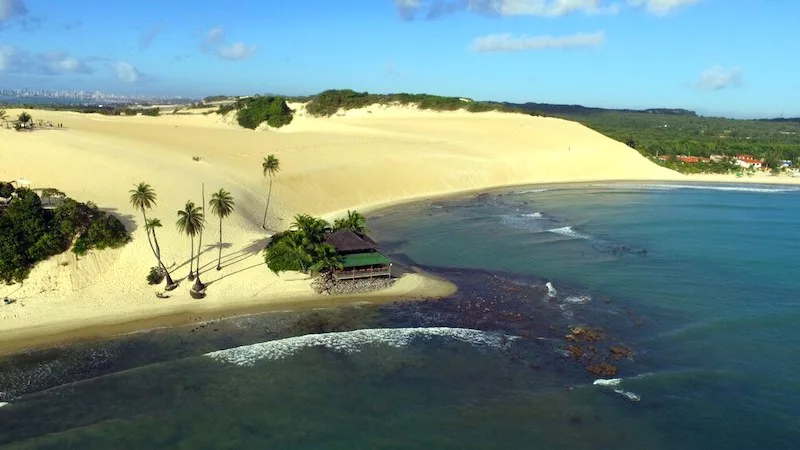
Genipabu dunes Natal Brazil best time to visit dry season weather

The Genipabu dunes are best visited in the dry season — the sand is dry and golden rather than damp, and the buggy experience is significantly better in clear conditions.

Genipabu dune buggy tours are best in the dry season. Wet sand on the dunes reduces the experience — the descents are less dramatic and the overall spectacle is more muted. September to February gives you the dunes at their best.

Maracajaú reef snorkeling depends on sea conditions as much as weather. The clearest water and calmest conditions for the reef visit are from September to February. In the rainy season, rougher seas can reduce visibility and occasionally cancel boat trips.

Pipa day trips are best outside the rainy season peak (May–July). The 85km south coast drive is fine in rain but the cliff viewpoints at Baia dos Golfinhos are less impressive in overcast conditions.

ℹ️ WindNatal’s consistent onshore winds make it one of Brazil’s best destinations for kitesurfing and windsurfing — particularly from July to December when the winds are strongest. If you’re visiting for wind sports, July to October is the peak season.

Ready to plan your Natal itinerary? Our day-by-day guide covers 3, 5, and 7-day plans combining Ponta Negra, Genipabu, Maracajaú, and Pipa.

Natal Itinerary →

© 2026 The Brazil Travel Guide — Independent travel content for international visitors.