
Northeast Brazil Travel Guide
Northeast Brazil is the part of the country most international visitors don’t know exists — and the part most of them say was the highlight of their trip. Better beaches than Rio, richer culture than São Paulo, and a coastline that runs for 3,000 kilometers from Bahia to Maranhão.
Northeast Brazil — a region covering nine states, 3,000 kilometers of coastline, and some of the most diverse travel experiences in South America.
Why Visit Northeast Brazil
The Northeast covers nine states — Bahia, Sergipe, Alagoas, Pernambuco, Paraíba, Rio Grande do Norte, Ceará, Piauí, and Maranhão. It’s the most culturally distinct region of Brazil, shaped by African, Indigenous, and Portuguese influences that produced a food culture, music, and architecture that feels entirely different from Rio or São Paulo.
For most international visitors, the Northeast delivers three things that are hard to find anywhere else in Brazil at the same time: excellent beaches with warm, clear water; genuinely good food based on fresh seafood and regional ingredients; and a slower pace that makes staying longer feel like the obvious decision.
It’s also the part of Brazil where the exchange rate works most in favor of international visitors — costs are significantly lower than Rio or São Paulo, and the quality of accommodation and food at mid-range prices is high.
The Beaches
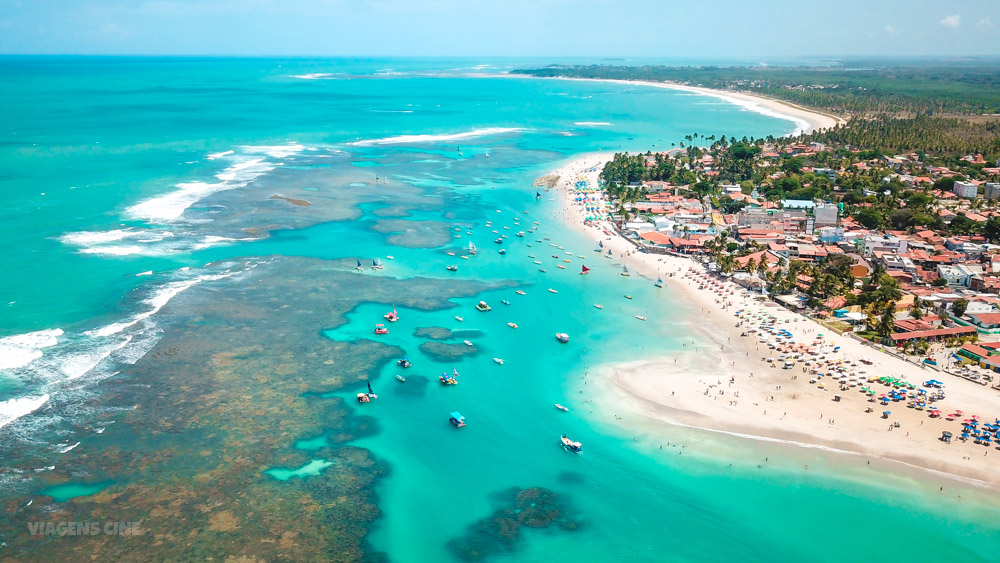
The Northeast coast — clear water, consistent sun from July to January, and a range of beach types from urban seafronts to remote cliff-backed bays accessible only by 4×4.
The Northeast has better beaches than Rio by almost every measure — clearer water, whiter sand, more consistent sunshine, and far less crowd density. The dry season runs from July to January, which is the opposite of Rio, meaning the Northeast is at its best when the Southeast is in its wettest period.
The standouts: Porto de Galinhas (Pernambuco) for natural reef pools. Pipa (Rio Grande do Norte) for red cliffs and resident dolphins. João Pessoa (Paraíba) for calm water and the easternmost coast of the Americas. Maceió (Alagoas) for emerald green water. Jericoacoara (Ceará) for dunes, lagoons, and a car-free village. Each one is worth a dedicated trip.
Full breakdown of every major beach destination in the Northeast — with practical info for each one.
Best Beaches in Northeast Brazil →The Cities
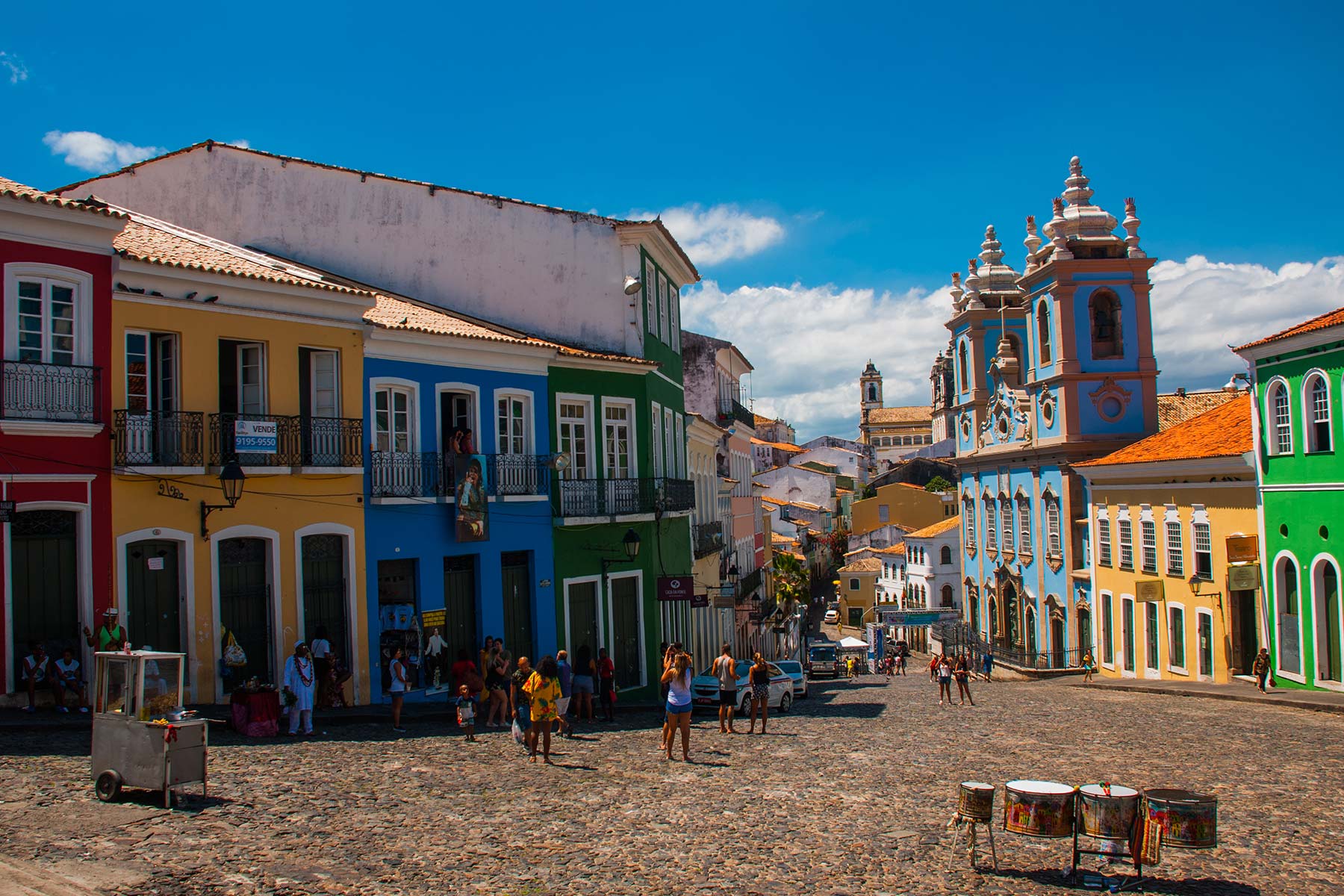
Pelourinho in Salvador — the historic center of Brazil’s most African city, with colonial architecture painted in bright colors above cobblestone streets that have changed little since the 18th century.
The Northeast cities are as compelling as the beaches. Salvador is the most culturally rich city in Brazil — the former capital of colonial Brazil, with a historic center recognized by UNESCO and a living African-Brazilian culture that shapes the food, music, and religion of the whole region. Capoeira, candomblé, acarajé — all of it concentrated in a city that rewards slow exploration.
Recife and Olinda together form one of the most interesting city pairs in Brazil — Recife is a modern port city built on islands and waterways, Olinda is a perfectly preserved colonial town on the hill above it with whitewashed churches and brightly painted houses. Fortaleza is the logistics hub of the far Northeast — less interesting as a destination in itself but an excellent base for the surrounding coast. João Pessoa is the most underrated city in the region — safe, affordable, with good beaches and almost no international tourists.
Nature and Landscapes
Lençóis Maranhenses — the most dramatic natural landscape in the Northeast, where white sand dunes fill with hundreds of freshwater lagoons after the rainy season.
The Northeast has some of the most unusual natural landscapes in Brazil. Lençóis Maranhenses is the most dramatic — 1,500 square kilometers of white dunes filled with blue lagoons after the rainy season, accessible from Barreirinhas or the village of Atins. It’s one of the few places in the world that looks genuinely different from any other landscape on the planet.
The red sandstone cliffs at Canoa Quebrada and Pipa carved into abstract shapes by wind and rain. The freshwater lagoons at Jericoacoara and around Fortaleza used for kitesurfing. The reef systems at Porto de Galinhas and Maceió creating natural pools you can snorkel in shallow water. The mangroves of the Rio Preguiças in Maranhão accessible by slow boat. The Northeast packs an unusual amount of landscape variety into a single coastal region.
Destinations at a Glance
Brazil’s most African city. UNESCO historic center, candomblé, capoeira, acarajé. The cultural capital of the Northeast.
Salvador Guide →Port city with canals and bridges paired with a perfectly preserved colonial hill town. Best Carnival outside Rio.
Recife Guide →Natural reef pools accessible by jangada at low tide. Consistently voted Brazil’s best beach.
Recife Beaches →Easternmost city in the Americas. Safe, affordable, calm beaches, and almost no international tourists.
João Pessoa Guide →Red cliffs, resident dolphins, and a compact village with good restaurants. Best beach destination in RN.
Pipa Guide →Northeast logistics hub. Good base for day trips to Jericoacoara, Canoa Quebrada, and Cumbuco.
Fortaleza Guide →Car-free village in the dunes. Best kitesurfing in Brazil. Freshwater lagoons with hammocks.
Fortaleza Day Trips →White dunes filled with blue lagoons. One of the most unusual landscapes in South America.
Lençóis Guide →How to Route the Northeast
The Northeast is long — Salvador to São Luís (Lençóis Maranhenses) is over 2,000km by road. The right approach is to pick a section rather than trying to cover the whole coast in one trip.
| Trip length | Suggested route | Fly into |
|---|---|---|
| 5–7 days | Recife → Porto de Galinhas → Pipa → João Pessoa | Recife (REC) |
| 7–10 days | Salvador → Morro de São Paulo → Recife → Olinda | Salvador (SSA) |
| 10–14 days | Fortaleza → Jericoacoara → Canoa Quebrada → Pipa → João Pessoa → Recife | Fortaleza (FOR) |
| 14+ days | Salvador → Recife → João Pessoa → Fortaleza → São Luís → Lençóis Maranhenses | Salvador (SSA), fly out São Luís (SLZ) |
Best Time to Visit
The Northeast dry season runs July to January — this is the main travel window when the sun is consistent, the sea is calm, and the trade winds keep temperatures manageable. July and August are peak season with Brazilian school holiday crowds and higher prices. September to November is the sweet spot: dry weather, lower crowds, and noticeably better prices than peak.
March to June is the rainy season — short intense downpours rather than all-day rain, but the sea is rougher and beach days are less reliable. Prices drop significantly. Lençóis Maranhenses is at its best from May to September when the lagoons are full after the rains.
Practical Tips
- Fly between major cities — Recife, Fortaleza, Salvador, and São Luís are all well connected domestically. Don’t attempt to bus the full coast.
- Between nearby destinations — Recife to João Pessoa, Natal to Pipa — buses and shared transfers are cheap, comfortable, and the right option.
- The Northeast is significantly cheaper than Rio or São Paulo. Budget $50–80/day comfortably covers accommodation, food, and transport.
- Cards are accepted in most restaurants and hotels in cities. Carry cash for markets, beach vendors, and smaller towns.
- Uber works in Recife, Fortaleza, Salvador, and João Pessoa. In smaller towns like Pipa, use local transfers organized through your pousada.
- Portuguese is the language — English is spoken in tourist areas of major cities but very little outside them. Download Google Translate offline before you land.
- The food in the Northeast is excellent and distinct from the rest of Brazil — fresh seafood, coconut-based sauces in Bahia, acarajé (black-eyed pea fritters) in Salvador, carne de sol (sun-dried beef) in the interior. Eat local wherever possible.