
Maceió FAQ — Most Common Questions About Visiting Maceió
Everything visitors ask before their first trip to Maceió — from the natural pools and day trips to safety, costs, and the best time to go. Practical answers without filler.
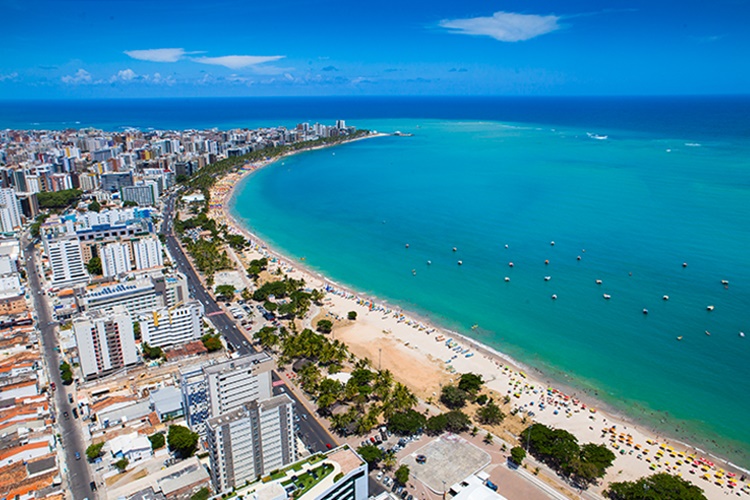
Maceió and the Alagoas coast — one of the most beautiful and most underrated beach destinations in Brazil.
How do you get to the natural pools in Maceió?
The piscinas naturais (natural pools) are reached by jangada — traditional wooden sailboats — from Pajuçara beach. Boats depart from the waterfront throughout the day whenever there are passengers. The round trip costs R$20–30 per person and takes about 20 minutes each way.
The most important thing to know: visit only at low tide. At high tide the pools are submerged and there’s nothing to see. Check the tide table (tábua de marés) for Maceió the day before and plan your visit around the low tide window. Your hotel can help with this.
Which is the best beach in Maceió?
For water quality and swimming, Ponta Verde is the best urban beach in Maceió — clearer water than Pajuçara and a well-maintained promenade. For the natural pools experience, Pajuçara is where the jangadas depart. For a quieter and more local beach, Jatiúca is the pick.
Outside the city, Maragogi (130km north) has some of the most beautiful natural pools in Brazil. Gunga Beach (40km south) is worth a day trip for its lagoon-meets-ocean setting.
How far is Maragogi from Maceió and how do you get there?
Maragogi is approximately 130km north of Maceió — about 2 hours by car or organized tour. The easiest way to visit is a day trip from Maceió that includes round-trip transport and a catamaran to the galés natural pools. Access to the pools requires an environmental permit, which is included in organized tours.
Book in advance during high season (December–March) as popular tours fill up. The best conditions are at low tide in the morning.
Is it worth going to Maragogi as a day trip from Maceió?
Yes — Maragogi is consistently cited as one of the highlights of visiting Alagoas and is easily doable as a day trip from Maceió. The natural pools (galés) are among the clearest and most biodiverse in Brazil, with sea turtles, rays, and colorful fish visible in shallow water.
The main trade-off is the 2-hour drive each way — it’s a full day out. If you have 5+ days in Maceió, Maragogi is worth one of them. If you only have 3 days, prioritize the urban beaches and local natural pools.
Planning your days? Our Maceió itinerary covers how to combine the natural pools, Maragogi, and Gunga Beach in 3, 5, or 7 days.
Maceió Itinerary →Is Maceió safe for tourists?
Maceió is generally safe for tourists who stay in the three main beach neighborhoods — Pajuçara, Ponta Verde, and Jatiúca. The main risks are petty theft in crowded areas (particularly phone theft along the waterfront) and walking in the wrong direction after dark.
The tourist zone is a narrow coastal strip. Stay within it and you’ll have a comfortable experience. Use Uber after dark rather than walking between neighborhoods, don’t carry valuables on the beach, and ask your hotel about any current conditions.
Is Maceió safer than Fortaleza or Recife?
Generally yes — Maceió’s tourist zone has lower crime rates than equivalent areas in Fortaleza and is comparable to Recife’s tourist zone (Boa Viagem). The concentrated nature of Maceió’s tourist area (three connected beach neighborhoods) makes it easier to stay within safe zones without the complications of a larger city’s geography.
That said, the same basic precautions apply: stay in the right neighborhoods, use Uber after dark, and don’t walk around displaying expensive phones or jewelry.
How much does a trip to Maceió cost?
Maceió is one of the most affordable beach destinations in Brazil. Budget travelers staying in hostels and eating at local restaurants can manage on $35–50 per day. Mid-range visitors with a beachfront hotel and restaurant meals typically spend $80–130 per day.
- Hostel dorm: R$60–100/night (~$12–20)
- Mid-range hotel (Ponta Verde): R$300–500/night (~$60–100)
- Lunch at a local restaurant: R$25–45 (~$5–9)
- Jangada to natural pools: R$20–30 (~$4–6)
- Day trip to Maragogi: R$150–220 (~$30–44)
Is Maceió expensive compared to other Brazilian beach destinations?
No — Maceió is at the affordable end of the spectrum. Daily costs are lower than Fortaleza, Salvador, or Rio de Janeiro. Accommodation is cheaper, food is excellent value, and most of the main attractions (beaches, natural pools, orla promenade) cost almost nothing. The main cost variable is accommodation in peak season (December–February) when prices rise significantly.
Which neighborhood should I stay in Maceió?
Ponta Verde is the best overall choice for most visitors — clearest water, best hotels, safest environment, and good restaurants. Pajuçara works well for budget travelers and has the best access to the natural pools. Jatiúca is the pick for visitors who prioritize nightlife and a quieter beach.
All three are connected by the orla promenade, so the choice is more about atmosphere and price than access to activities.
What is the best time to visit Maceió?
September to November is the sweet spot — dry season weather, lower prices than peak season, and fewer tourists. October is consistently the best single month. December to March has the best weather but the highest prices and most crowded beaches. April to August is the rainy season with afternoon showers that can disrupt beach days.
How do I get from Maceió airport to the beach neighborhoods?
Maceió’s Zumbi dos Palmares Airport (MCZ) is about 25km from the tourist zone. Uber is the easiest option — expect to pay R$60–90 for the trip to Pajuçara or Ponta Verde, taking about 30–40 minutes depending on traffic. There are also airport transfer services available to book in advance. Public buses connect the airport to the city but are slow and not recommended with luggage.
Do I need to speak Portuguese to visit Maceió?
It helps but it’s not essential. English is spoken at better hotels and some restaurants in the tourist zone. Outside of those contexts — beach vendors, local restaurants, tour operators — Portuguese is the working language. A basic understanding of Portuguese or a translation app on your phone makes navigating Maceió significantly easier. Brazilians are generally patient and helpful with visitors who are trying.
What is sururu and should I try it?
Sururu is a small clam found in Lagoa Mundaú, the tidal lagoon behind Maceió. It’s the most distinctly Alagoano dish — cooked in a broth with coconut milk and dendê oil — and found nowhere else quite the same way. Yes, you should try it. Look for it at local restaurants near Lagoa Mundaú or ask your hotel to recommend a place that does it well. It’s one of the best regional dishes in the Northeast.
How many days do I need in Maceió?
Three days covers the urban beaches and natural pools. Five days lets you add a day trip to Maragogi and another to Gunga Beach. Seven days allows for a comfortable pace with a possible overnight at São Miguel dos Milagres. Most visitors who come specifically for the Alagoas coast stay 5–7 days — the combination of urban beaches and coast day trips rewards extra time.