
Is Lençóis Maranhenses Safe for Tourists?
Lençóis Maranhenses is safe in the conventional sense — crime against tourists is rare. The real risks here are environmental: intense sun, disorientation in the dune field, and the logistics of being far from medical services in a remote national park.

Lençóis Maranhenses is a remote national park — crime is not the primary safety concern here. Sun exposure, navigation, and logistics are what require the most planning.
The Honest Answer
Crime against tourists in Lençóis Maranhenses is not a significant concern. The park is remote, the local population is small, and the visitor profile — people who have made a deliberate effort to reach one of the most difficult-to-access national parks in Brazil — is not the typical target for opportunistic crime.
What does require attention is the environment itself. The combination of white sand, equatorial sun, no shade, and limited landmarks makes heat exhaustion and disorientation real risks — especially for visitors who underestimate the physical demands of walking in the dune field. The distances inside the park are also significant, and medical facilities near the park are limited.
Safety here means preparation and logistics, not street awareness.
Natural Risks
Safety in Barreirinhas
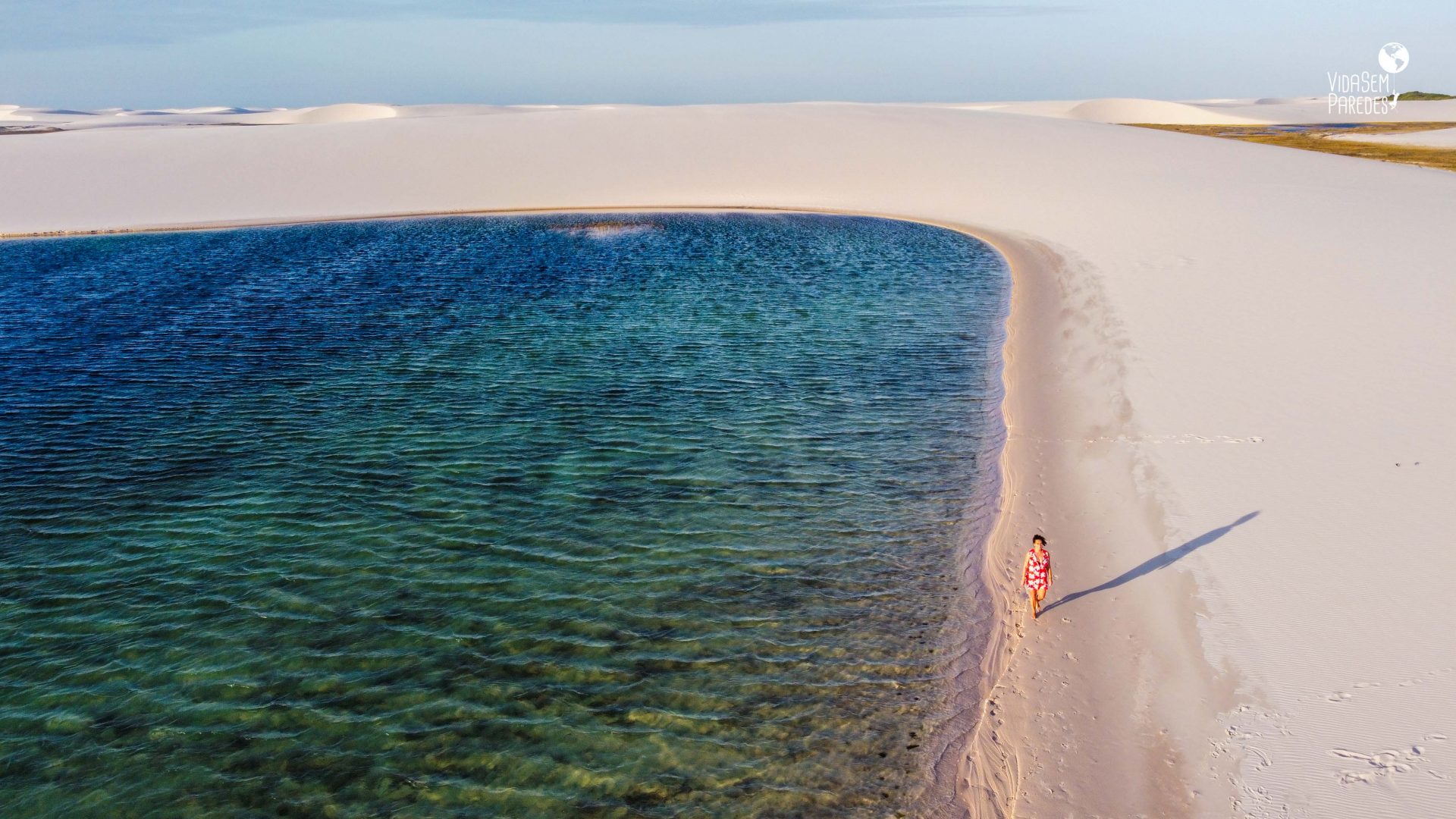
The Lençóis Maranhenses region is rural and remote — Barreirinhas is the main town and the safest base, with the full range of services needed to organize the visit.
Barreirinhas is a small town, not a city. Street crime at the level you’d encounter in Fortaleza or Recife doesn’t exist here in the same way. The main precautions are the standard ones for any Brazilian town — keep phones out of sight, use your hotel safe for valuables, and don’t leave bags unattended.
Atins, the village at the western edge of the park, is even smaller and lower-risk from a crime perspective. The main concern in Atins is logistical — it has almost no medical infrastructure, no bank, and limited connectivity. If something goes wrong there, getting help takes time.
Planning where to base yourself? Our where to stay guide covers Barreirinhas, Atins, and Santo Amaro with honest pros and cons for each.
Where to Stay in Lençóis Maranhenses →Practical Safety Tips
- Bring SPF 50+ sunscreen and reapply every 90 minutes — the reflected UV from white sand is significantly stronger than a regular beach
- Carry at least 2 liters of water per person for any dune walk — 3 liters if going beyond the main lagoons
- Never enter the interior dune field alone or without a guide who knows the current season’s routes
- Wear sandals or closed shoes on the dunes between 11am and 3pm — the sand temperature can cause burns
- Tell your hotel or pousada where you’re going before any independent excursion and when you expect to return
- Withdraw cash before leaving São Luís — there are ATMs in Barreirinhas but none in Atins or inside the park
- Bring any prescription medications you need — pharmacies in Barreirinhas are basic, and there are none in Atins
- Keep a portable charger for your phone — connectivity is limited and having a working phone for emergencies matters
Medical and Emergency Access
Barreirinhas has a basic health post (UBS) that handles minor injuries and illnesses. For anything serious, the nearest hospital with meaningful resources is in São Luís — about 270km away, roughly 4 hours by car on the road that gets worse in the rainy season.
This distance matters for trip planning. If you have a medical condition that could require emergency care, or if you’re traveling with young children, Lençóis Maranhenses requires more contingency planning than a coastal beach destination with hotels near major cities.
Travel insurance that covers medical evacuation is worth having for this destination specifically. SafetyWing covers medical emergencies and evacuation for independent travelers — manageable entirely online before you depart.
Bottom Line
Honest assessment
Lençóis Maranhenses is one of the safer tourist destinations in Brazil from a crime perspective. The risks that do exist are environmental — sun, heat, navigation, and distance from medical services. All of them are manageable with preparation. Bring more water than you think you need, don’t enter the dunes without a guide, and know what you’d do if something went wrong medically before you get there.