
How to Get to Interlagos — F1 Brazil 2026 Transport Guide
The metro is the only reliable way to get to Interlagos on race day. São Paulo’s traffic is severe at the best of times — on a Grand Prix Sunday it becomes impossible. This guide covers the metro route, Uber reality, race day timing, and everything you need to get to and from the circuit without stress.
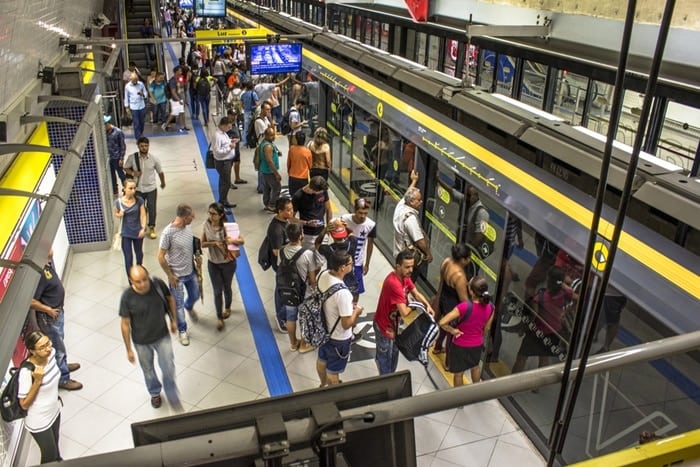
The São Paulo Metro — Line 5 (Lilac) runs directly to Autódromo station, making it the fastest and most reliable way to reach Interlagos on race weekend.
Metro — The Best Option
Line 5 (Lilac) of the São Paulo Metro runs directly to Autódromo station, which is a short walk from the circuit entrance. This is the fastest, cheapest, and most reliable option for getting to Interlagos on any day of the race weekend.
On race weekend, the metro operates extended hours and increased frequency to handle the crowd. The journey from Paulista Avenue — the recommended base for most visitors — takes approximately 40 minutes with one transfer. From Pinheiros it’s about 50 minutes. From Campo Belo roughly 35 minutes.
Step-by-Step Metro Route from Paulista Avenue
🚇 Paulista Avenue → Autódromo (Interlagos)
-
Line 2
Board at Paulista station on Line 2 (Green). Direction: Vila Madalena or Ana Rosa depending on which transfer you prefer.
~5 min to transfer point
-
Line 9
Transfer at Consolação or Ana Rosa to CPTM Line 9 (Emerald). Direction: Osasco or Grajaú — you want Grajaú direction.
~15 min on Line 9
-
Line 5
Transfer at Santo Amaro to Line 5 (Lilac). Direction: Capão Redondo. Ride to Autódromo station — the last stop before the circuit.
~15 min on Line 5
-
Walk
From Autódromo station, follow the crowd — it’s a short walk to the circuit entrance. Signage during race weekend is clear.
~10 min walk
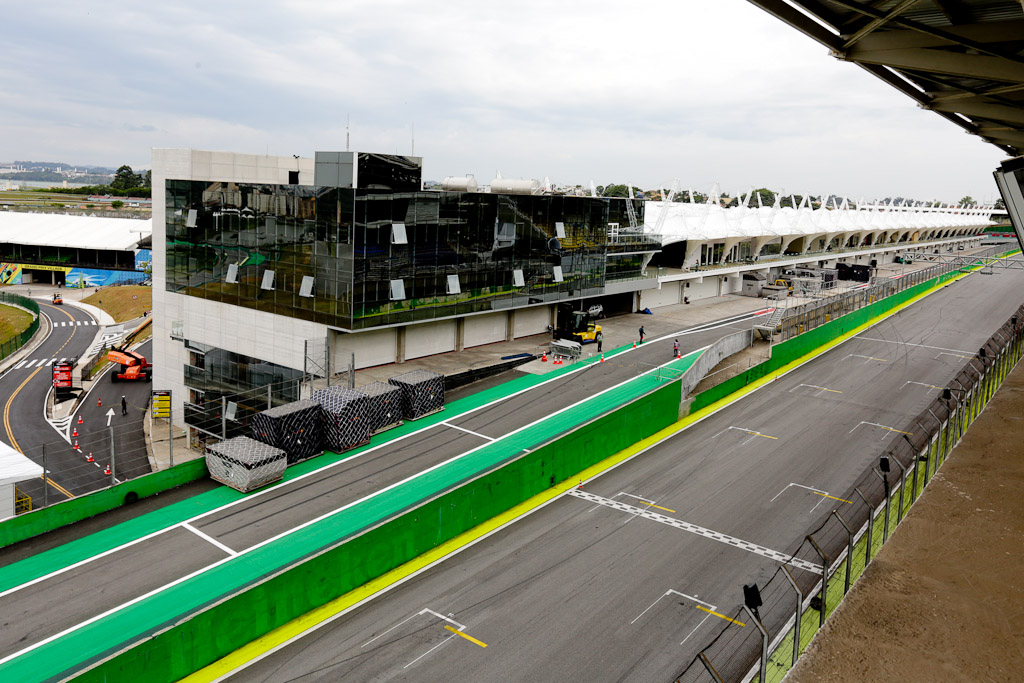
The Autódromo José Carlos Pace at Interlagos — located in the southern suburbs of São Paulo, 25km from the city center and directly served by Line 5 (Lilac) metro.
Bilhete Único — São Paulo Transit Card
The Bilhete Único is São Paulo’s reloadable transit card. Buy one at any metro station ticket window or machine on arrival. Load it with enough credit for the weekend — each metro journey costs roughly R$5–6 (about $1 USD), so budget R$50 for the full weekend with a safety margin.
The card works across metro lines, CPTM suburban trains, and municipal buses. Having it loaded before race weekend means you walk straight through the turnstile instead of queuing at ticket machines with hundreds of other fans on race day morning.
Uber and Taxis
Uber works well in São Paulo outside of race weekend. On race day — particularly Sunday — traffic around Interlagos becomes severe and journey times from central São Paulo can exceed 90 minutes. Surge pricing also kicks in heavily around race start and finish times. Uber is a reasonable option for Friday practice sessions when traffic is lighter. For qualifying and the race, the metro is faster and cheaper. If you do use Uber, set a pick-up point away from the circuit entrance where drivers can actually reach you.
Avoid hailing taxis on the street near Interlagos. Overcharging of tourists during F1 weekend is common in the area. If you need a taxi, use 99 Táxi or call through a registered app — never negotiate a price with a driver at the circuit exit.
If you booked an F1 Experiences official package that includes a hotel on Paulista Avenue, daily coach transfers to and from Interlagos are included. The coaches run on a schedule timed around each session and the post-race exit is managed to avoid the worst of the crowd. This is the most stress-free option for fans who want to outsource the logistics entirely.
Driving
Don’t drive to Interlagos on race weekend. Parking near the circuit is extremely limited, the approach roads become gridlocked hours before and after the race, and leaving by car after the race can add two to three hours to your journey. There is no practical parking solution for most visitors.
If you’re staying near Congonhas airport in Campo Belo, driving partway and then taking the metro is theoretically possible — but given São Paulo’s traffic even outside race weekend, the metro from Campo Belo is the better choice at about 35 minutes.
Race Day Timing
Metro opens. Early arrivals begin heading to Interlagos. Lines are short at this hour.
Recommended departure from Paulista Avenue for a race starting around 14:00 local time. Circuit gates open early and arriving well before the race gives you time to explore, find your grandstand, and get food before the crowds build.
Metro crowds start building noticeably. Still manageable but trains are fuller.
Peak inbound traffic. Metro is crowded. If departing now, allow extra time at the station.
Race start (local time — confirm exact time on the official F1 schedule).
Post-race exit begins. This is the most congested period. Consider waiting 30–45 minutes inside the circuit before attempting to leave — the crowd thins noticeably.
Getting Back After the Race
The metro runs extended services after the race to handle the outbound crowd. Trains continue well past midnight. The queue at Autódromo station immediately after the race finishes is long — this is normal and moves steadily. Having your Bilhete Único loaded means you go straight through without stopping at a machine.
Uber prices surge significantly in the 30–60 minutes after the race in the area around Interlagos. If you want to use Uber for the return, request from a pick-up point a few streets away from the main crowd flow and expect to wait. The metro is faster and more predictable in this window.
Still deciding where to base yourself in São Paulo? Our accommodation guide covers the best neighborhoods and hotels for race weekend at every budget.
Where to Stay for F1 Brazil 2026 →