
Brazil vs Argentina – Which Country Should You Visit?
Brazil and Argentina are the two dominant travel destinations in South America — and most first-time visitors to the continent have to choose one. This guide compares them honestly across beaches, cities, food, costs, safety, and nature so you can make the decision based on what actually matters to you.
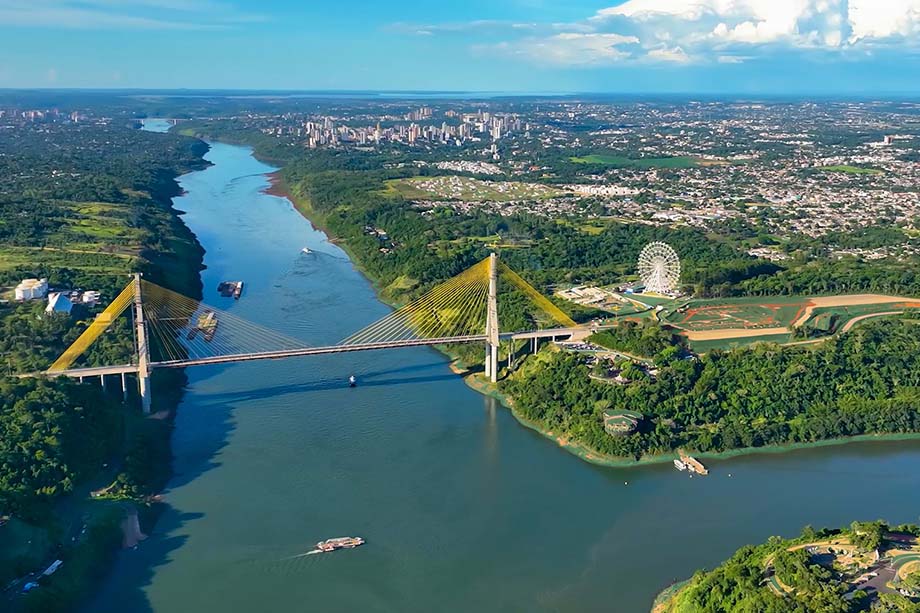
The Triple Frontier at Foz do Iguaçu — the point where Brazil, Argentina, and Paraguay meet. One of the few places on the continent where you can stand in both countries in the same afternoon.
Quick Answer
Go to Brazil if: beaches are a priority, you want more cultural diversity in one country, you want warmer weather year-round, or you’re drawn to the Northeast, Iguaçu, or Lençóis Maranhenses.
Go to Argentina if: cities and culture are the priority, you want Patagonia and dramatic landscapes, you’re a serious food and wine traveler, or Buenos Aires specifically is what draws you.
Do both if: you have 3+ weeks and want to combine Iguaçu Falls — which sits on the border — with either Buenos Aires or the Brazilian Northeast in a single South America trip.
Head to Head
| Category | 🇧🇷 Brazil | 🇦🇷 Argentina |
|---|---|---|
| Beaches | Among the best in the world — Northeast coast is exceptional | Limited — Patagonian coast is cold, Mar del Plata is overcrowded |
| Cities | Rio iconic, São Paulo for food, Salvador for culture | Buenos Aires is one of the great cities of South America |
| Food | Regional diversity — Bahian, Amazonian, churrasco | Steak, wine, empanadas — excellent but narrower range |
| Nature | Amazon, Pantanal, Lençóis Maranhenses, Iguaçu | Patagonia, Iguaçu, Perito Moreno glacier, Quebrada de Humahuaca |
| Weather | Tropical to subtropical — warm year-round in the North | Temperate — Buenos Aires has cold winters, Patagonia is harsh |
| Costs | Moderate — significantly cheaper than Europe | Volatile — inflation makes budgeting unpredictable |
| Language | Portuguese | Spanish |
| Safety | Requires awareness in cities — manageable with basic precautions | Buenos Aires safer than most major Brazilian cities |
| Size | Continent-sized — internal flights essential | Large — Patagonia requires significant travel time |
| English spoken | Tourist areas in Rio and São Paulo only | Buenos Aires has more English speakers than most SA cities |
Beaches — Brazil Wins Clearly
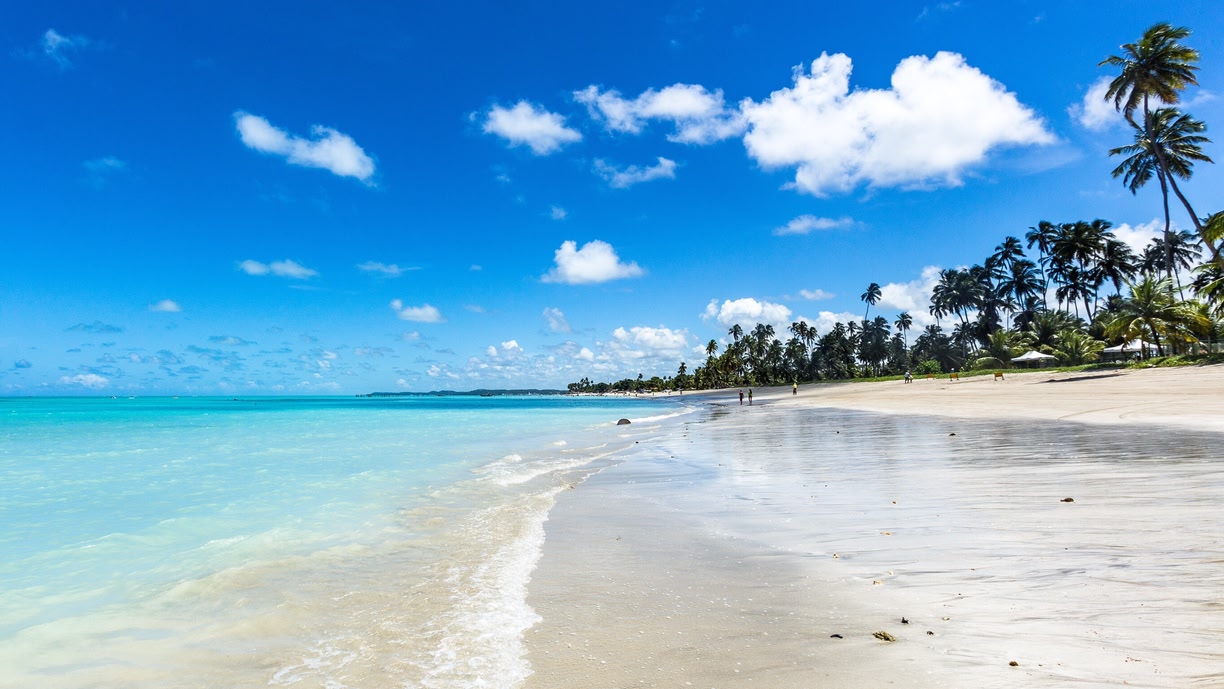
Northeast Brazil — the most compelling argument for choosing Brazil over Argentina if beaches matter. Argentina simply doesn’t have a comparable coastline.
This isn’t a close comparison. Brazil has 7,400km of coastline with warm water year-round, and the Northeast coast specifically — Pipa, João Pessoa, Porto de Galinhas, Maceió, Jericoacoara — has some of the best beaches in the world by any measure.
Argentina’s Atlantic coast is cold, rough, and not a beach destination by international standards. Mar del Plata draws Argentine domestic tourists but has nothing to offer international visitors looking for a beach experience. If beaches are a significant part of why you’re going to South America, Argentina doesn’t compete with Brazil here.
Cities — Depends What You Want
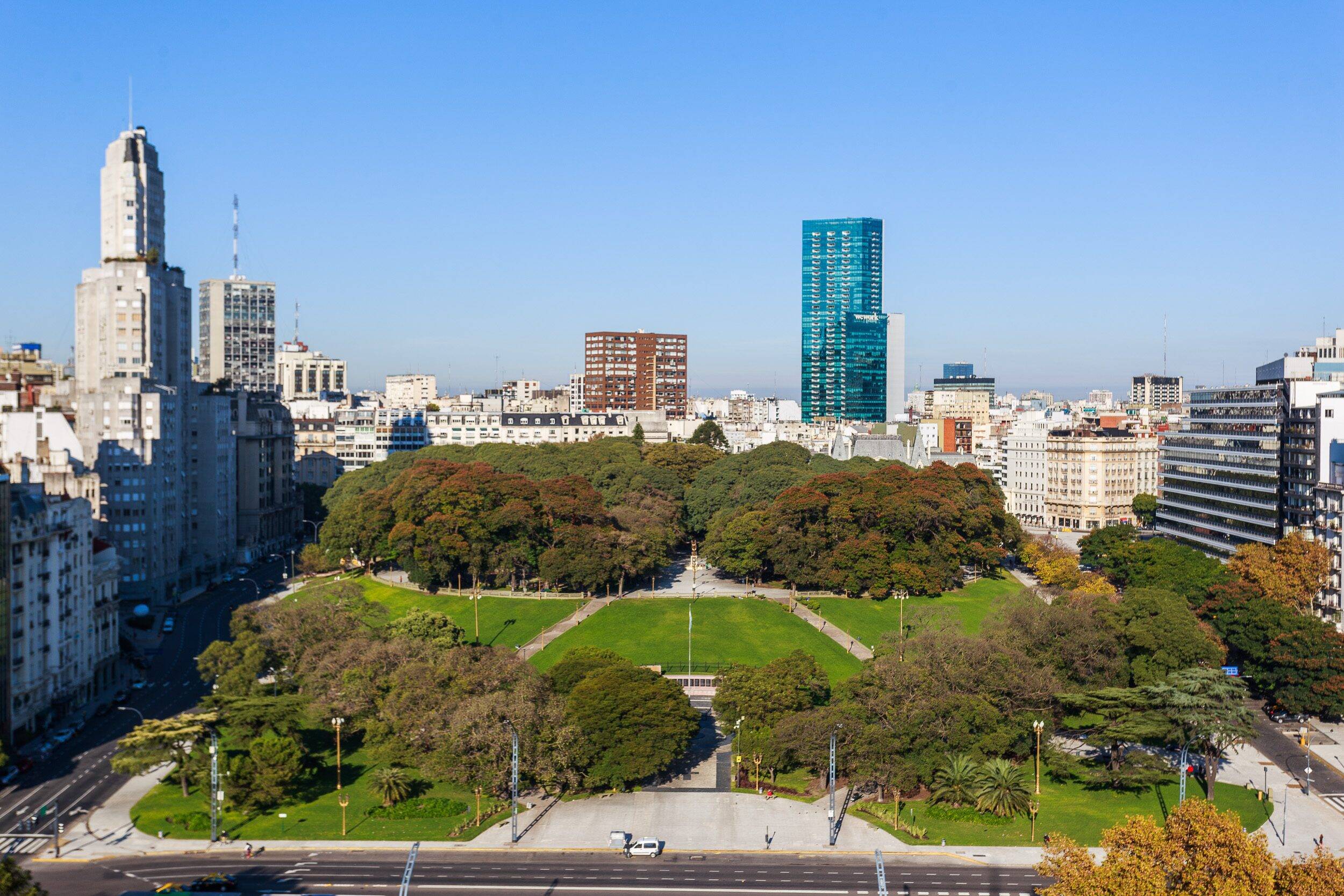
Buenos Aires — one of the most livable and walkable cities in South America, with a European-influenced architecture, a serious food and wine scene, and neighborhoods that reward slow exploration.
Buenos Aires is genuinely one of the great cities of South America — walkable, architecturally interesting, with excellent restaurants and a café culture that makes spending time there easy. Palermo, San Telmo, Recoleta — each neighborhood has a distinct character and enough to fill several days.
Rio de Janeiro has the iconic setting — Cristo Redentor, Sugarloaf, Ipanema — but is more intense and requires more awareness than Buenos Aires. São Paulo has the better restaurant scene in South America at the high end. Salvador has the richest culture of any city in Brazil. None of them are directly comparable to Buenos Aires — they offer different things.
If city exploration is your primary goal and you want a relaxed, walkable experience, Buenos Aires edges ahead. If you want cultural depth and the kind of city that surprises you, Salvador or Rio have more to offer.
Food — Brazil for Diversity, Argentina for Steak
Argentine food has a clear identity — the best beef in South America, excellent Malbec, empanadas, and a café culture built around medialunas and cortados. It’s not a broad cuisine but it’s very good at what it does. Buenos Aires specifically has a restaurant scene that has improved significantly in recent years.
Brazilian food is more regionally diverse. Bahian cuisine is coconut-based and rich, built on African influences — moqueca, acarajé, vatapá. Amazonian cuisine uses river fish and native ingredients you won’t find anywhere else. The churrasco tradition runs through the whole country. São Paulo has the most internationally diverse restaurant scene in South America. Kilo restaurants — pay by weight buffets — are one of the best lunch options in the world for the price.
Nature — Both Exceptional, Different Types
Brazil has the Amazon — the largest tropical rainforest on the planet. The Pantanal — the world’s largest tropical wetland, with the best jaguar-spotting in South America. Lençóis Maranhenses — white dunes filled with blue lagoons, unlike any other landscape on the planet. Iguaçu Falls — shared with Argentina.
Argentina has Patagonia — dramatic cold-climate landscapes including Torres del Paine (just over the Chilean border), Perito Moreno glacier, and Los Glaciares National Park. Quebrada de Humahuaca in the northwest — a UNESCO-listed valley with colored rock formations. And Iguaçu Falls from the Argentine side, which puts you on walkways inside the falls themselves.
Both countries have exceptional nature. Brazil’s is warmer and more biologically diverse. Argentina’s is more dramatic and cold-climate. Which matters more depends on what you’re looking for.
Costs — Brazil More Predictable
Brazil is affordable for visitors from the US, UK, Europe, and Australia — the Real has been relatively stable and the exchange rate works in favor of international visitors. Expect $60–100/day at budget level, $120–200 at mid-range.
Argentina has been through severe inflation in recent years, which makes budgeting difficult. The official exchange rate and the informal “blue dollar” rate have historically diverged significantly, creating a complex situation for tourists. Things may be cheaper than expected at certain exchange rates, but planning a budget in advance is harder than for Brazil.
Safety — Both Require Awareness
Neither country is without risk and both require basic street awareness, particularly in major cities. Buenos Aires is generally considered safer than Rio or São Paulo for tourists — petty theft exists but violent crime against tourists is less common. Brazil’s major cities require more active awareness, particularly around phones and valuables on the street.
Outside the major cities, both countries are generally safe for tourists. The Northeast coast of Brazil, Patagonia in Argentina — these are low-risk destinations where the crime concerns of the big cities don’t apply in the same way.
Who Should Go Where
- Warm-water beaches as a priority
- Tropical climate year-round
- Cultural diversity within one country
- Iguaçu + beaches in one trip
- Amazon or Pantanal wildlife
- Lençóis Maranhenses
- Salvador or Rio as a city base
- Patagonia and glaciers
- Buenos Aires city experience
- World-class steak and Malbec
- European-influenced architecture
- Cooler climate and dramatic landscapes
- Iguaçu from inside the falls
- More English spoken in cities
Decided on Brazil? Our first-time visitor guide covers where to start, what to know, and how to plan the trip.
Brazil for First-Time Visitors →