
Best Time to Visit Brazil
Brazil is a continent-sized country and the best time to visit depends entirely on where you’re going. The Northeast has beaches that work year-round. The South has a proper winter. The Amazon has a dry season and a wet season that affect everything. This guide breaks it down by region and by month so you can plan around what actually matters to you.
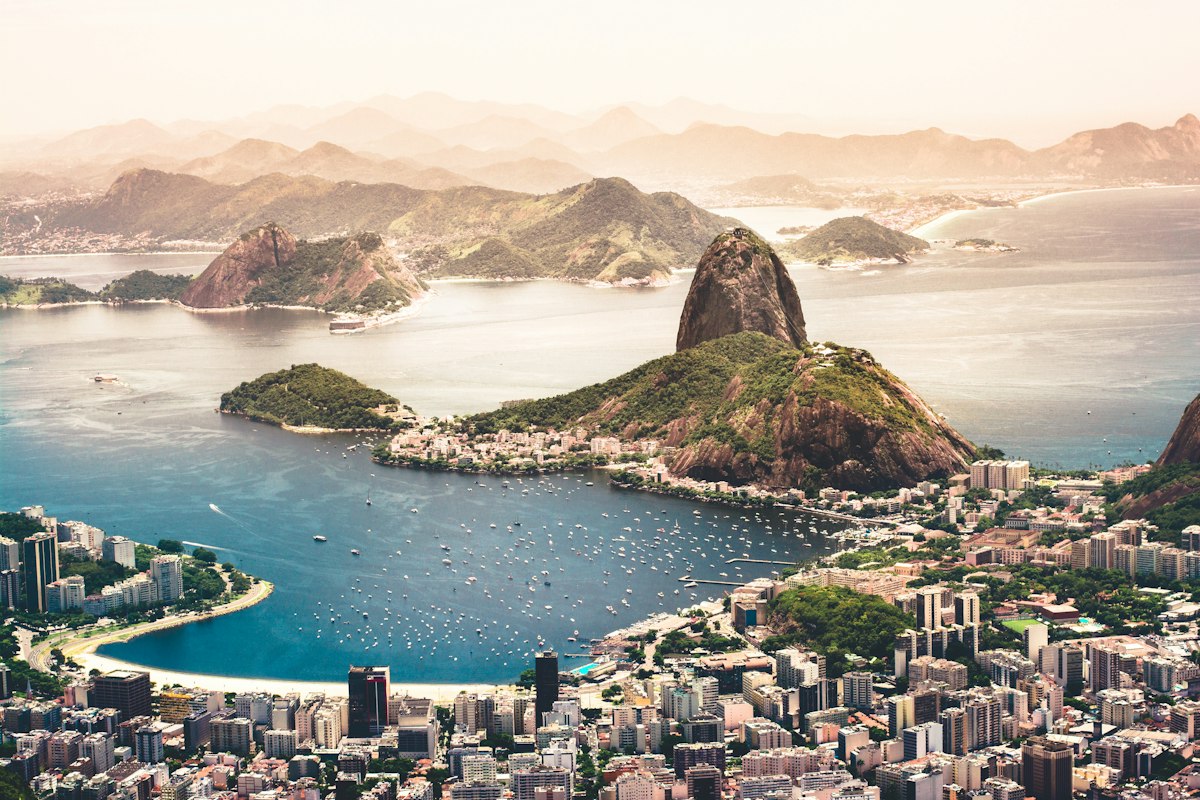
Brazil’s size means the best time to visit varies significantly by region — what works for Rio de Janeiro is different from what works for the Amazon or the Northeast.
Quick Answer by Region
| Region | Best Time | Avoid |
|---|---|---|
| Northeast Brazil | July–January (dry, sunny) | March–June (rainy season) |
| Rio de Janeiro | March–May, Sept–Nov (warm, fewer crowds) | December–February (rain, Carnival crowds) |
| São Paulo | March–May, August–October | December–February (heavy rain) |
| Florianópolis | December–March (summer, beach season) | June–August (cold, many places closed) |
| Amazon | June–November (dry season, easier access) | December–May (flooding, limited trails) |
| Lençóis Maranhenses | June–September (lagoons full) | November–February (lagoons dry) |
| Foz do Iguaçu | August–November (falls at best flow) | No truly bad time — always impressive |
Overall Seasons
Northeast Brazil

Northeast Brazil — the dry season from July to January delivers consistent sun, warm water, and the trade winds that keep the heat manageable along the coast.
The Northeast — covering Fortaleza, Natal, João Pessoa, Recife, Salvador, and Pipa — runs on a wet/dry cycle that’s the opposite of the rest of Brazil. The rainy season here is March to June, not December to February. This means the Northeast is at its best when the rest of Brazil is in its wettest period.
July to January is the prime window. The skies are clear, the trade winds keep temperatures comfortable (27–32°C), and the water is calm and warm. July and August are peak season — Brazilian school holidays bring domestic tourists, prices rise, and beaches fill up. September to November is the sweet spot: dry weather, full sun, and significantly lower prices and crowds than the July peak.
March to June brings the rainy season — short, intense afternoon downpours rather than all-day rain. It’s not unvisitable, but the sea can be rougher, some beaches have stronger currents, and the odds of a cloudy day are higher. Prices drop noticeably.
Rio de Janeiro and the Southeast
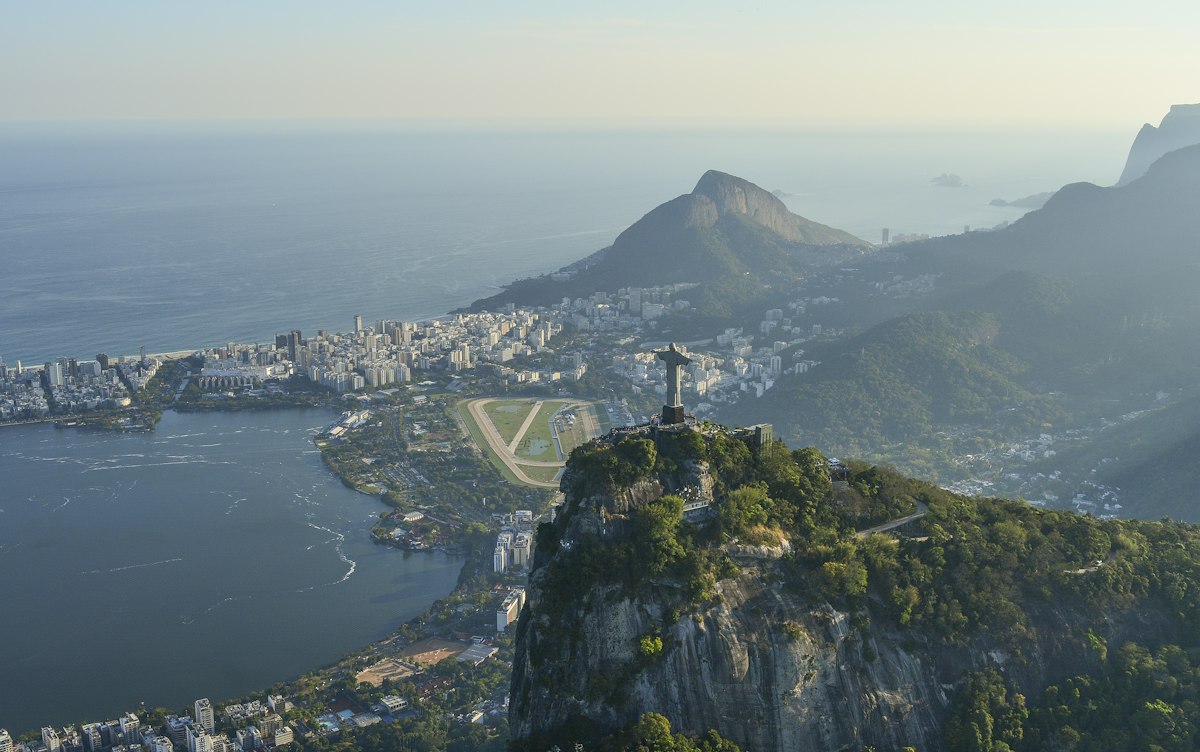
Rio de Janeiro — the shoulder seasons of March–May and September–November offer warm weather without the peak crowds and afternoon downpours of the Brazilian summer.
Rio operates on a temperature-based seasonal calendar. Summer (December–February) is hot and humid, with heavy afternoon thunderstorms that can last hours. Winter (June–August) is mild — 18–24°C — and mostly dry. The shoulder seasons are the best times to visit.
March to May is arguably the best time for Rio. The summer crowds have gone, prices drop, the weather is warm (25–30°C) without being oppressive, and the afternoon rains are much less frequent. The sea is warm from the summer and still swimmable.
September to November is the other good window — warming up from winter, not yet into the summer rain season. Good weather, moderate crowds.
December to February is the hardest time — peak prices, full hotels, heavy rain most afternoons, and Carnival in February or March bringing the most intense crowd of the year. If you’re coming specifically for Carnival, plan 6 months in advance.
Planning a trip to Rio? Our complete travel guide covers neighborhoods, safety, costs, and a day-by-day itinerary.
Rio de Janeiro Travel Guide →South Brazil — Florianópolis
The South of Brazil — Florianópolis, Curitiba, Gramado — has the most distinct seasons of any region in the country. Summer (December–March) is warm, sunny, and the main beach season. Winter (June–August) is genuinely cold — temperatures can drop below 10°C in Florianópolis and below freezing further south.
December to March is when Florianópolis comes alive — the beaches fill up, restaurants open, and the city operates at full capacity. January is the absolute peak, with Brazilian and Argentine tourists filling every hotel. Book months in advance for January.
June to August is the off-season — many beach restaurants and pousadas close, the water is cold, and the city is quiet. Prices drop significantly but the experience is limited. Good if you want a city break without beach focus.
The Amazon
The Amazon operates on a flooding cycle rather than a temperature one — temperatures are hot and humid year-round (28–35°C). The difference between seasons is water level, which affects what you can do and where you can go.
June to November — dry season — is generally better for most travelers. River levels drop, exposing beaches along the riverbanks, forest trails become more accessible, and wildlife concentrates around remaining water sources making it easier to spot. Mosquitoes are also somewhat less intense.
December to May — wet season — brings flooding that submerges forest trails and riverbank beaches. But it also means you can take boats through flooded forest — a genuinely different experience that some travelers prefer. The famous pink river dolphins are more visible in the wet season when they spread into flooded forest areas.
Carnival
Carnival falls in February or early March — the exact dates change every year based on the Catholic calendar. It’s 4–5 days of street parties, samba parades, and blocos (street parties) across the country.
Rio’s Carnival is the most famous internationally — the Sambadrome parade is the centrepiece. Salvador’s Carnival is the largest in the world by attendance — electric trio trucks and axé music rather than samba. Recife and Olinda have a frevo-based Carnival that’s smaller and more local in character.
If Carnival is the reason you’re going, book flights and accommodation 4–6 months in advance. Prices triple, everything sells out, and last-minute options are either unavailable or extremely expensive.
If Carnival is not the reason you’re going — avoid it entirely. The week before and after Carnival has inflated prices without the experience being worth it unless you’re actively participating.