
Is Pipa Safe for Tourists?
Pipa is one of the safer tourist destinations on the Northeast coast — a small village where most visitors have no security incidents at all. That doesn’t mean zero risk, but it does mean the precautions are simpler than in larger cities.
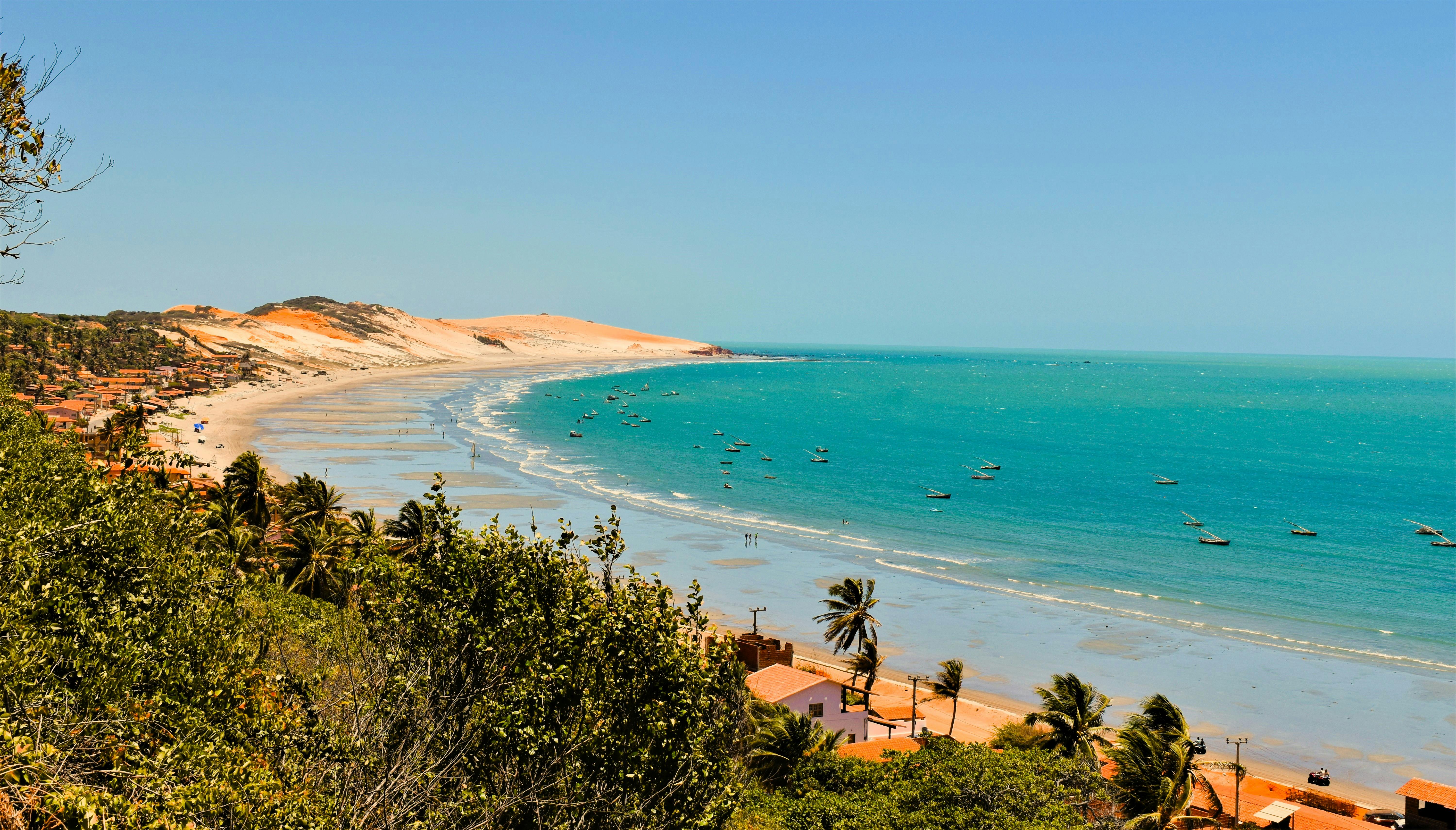
Pipa is a small, contained village — easier to navigate safely than larger cities and with a much lower overall crime profile than the Northeast average.
The Honest Answer
Pipa is a small tourist village, not a city. The dynamics are different from Fortaleza or Recife — there’s no urban periphery to wander into, the tourist area is compact and well-lit, and the local population is small enough that unfamiliar faces are noticed.
Petty theft exists — mainly opportunistic bag snatching on the beach or phone theft on the main street at night. Serious crime is rare in the village itself. Most travelers who visit Pipa report no safety issues at all.
The main risk factors are the ones common to all beach destinations in Brazil: don’t leave things unattended on the beach, be aware on the main strip after midnight, and don’t take valuables to remote beach areas.
Safe Areas vs Areas to Avoid
Common Risks for Tourists
Beach theft
The most common incident in Pipa. Someone walks past while you’re in the water and takes your phone, wallet, or bag left on the sand. The solution is consistent: bring only what you need for the beach, leave everything else at your pousada.
Phone snatching
Less common than in Fortaleza or Recife, but it happens — mainly on the main street at night. Keep your phone in your pocket when walking around the village after dark, especially after midnight when the crowd thins.
Cliff and tide risks
Not a crime risk but worth mentioning — the cliff paths and tide-dependent beach accesses in Pipa have real physical hazards. The walk around the base of the cliffs to Praia do Amor is only possible at low tide. Getting caught by a rising tide here is a genuine danger. Check the tide chart before you go.
Nightlife Safety
Pipa has a genuine nightlife scene in high season — bars and clubs on the main street stay open late, and the village fills up with a mix of Brazilian tourists and international visitors. The atmosphere is generally relaxed.
The risks that exist are the standard ones for any beach nightlife destination: watch your drink, don’t leave with strangers you’ve just met, and know how you’re getting back to your pousada before you start drinking. Most pousadas are a short walk from the main strip.
Avoid walking alone on unlit paths between the main street and your pousada after midnight if you can. Take the main road — it’s slightly longer but better lit and used by more people.
Looking for the safest area to stay in Pipa? Our neighborhood guide covers the village center, Chapadão, and what each area is like on the ground.
Where to Stay in Pipa →Practical Safety Tips
- Leave phones, cameras, and valuables at your pousada when going to the beach
- Bring only small bills and one card to the beach — nothing you can’t afford to lose
- Keep your phone in your pocket on the main street at night
- Check tide times before any cliff-base walk — don’t attempt them when the tide is coming in
- Don’t go to remote beaches (Sibaúma, isolated stretches) alone
- Know your route back to your pousada before you go out at night
- If renting a buggy, verify the driver is established — go through your pousada or a known operator
Bottom Line
Honest assessment
Pipa is one of the safer tourist destinations in the Northeast. The village is small and contained, serious crime is rare, and the main risks are the predictable ones — beach theft and phone snatching — that are almost entirely avoidable with basic precautions. The cliff and tide hazards are the thing most visitors underestimate. Don’t be one of them.
For travel insurance that covers Brazil, SafetyWing is a practical option for independent travelers — straightforward coverage for medical emergencies and trip disruptions, manageable entirely online.