
Pipa FAQ
Answers to the most common questions international travelers ask before visiting Pipa — beaches, dolphins, getting there, safety, costs, and what to actually expect from the village.
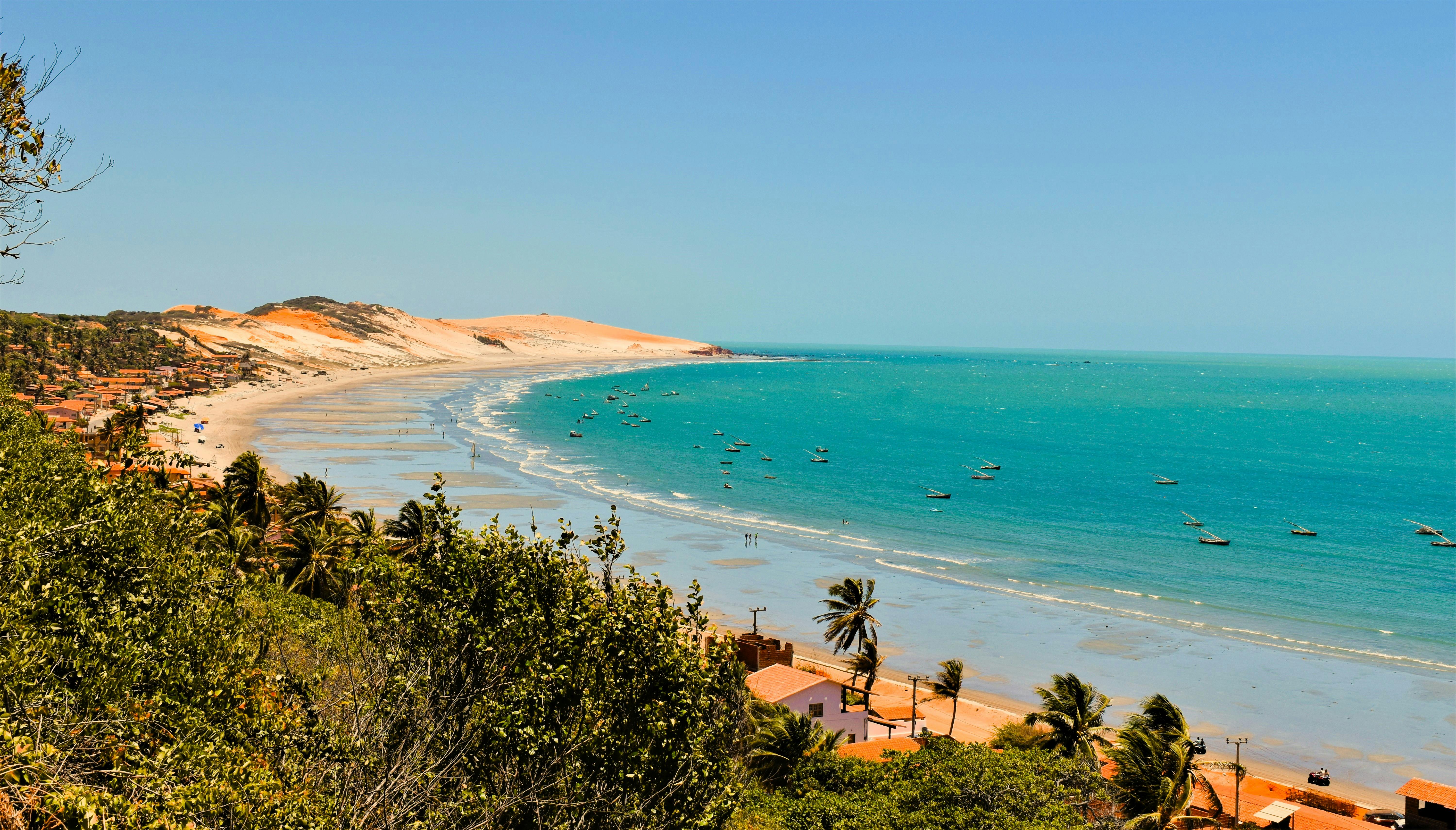
Pipa — a small village on the Rio Grande do Norte coast with red sandstone cliffs, good beaches, and a coastal lagoon with resident dolphins.
Frequently Asked Questions
QIs Pipa worth visiting?
Yes. Pipa has a combination of dramatic cliffs, good beaches, dolphins in a coastal lagoon, and a village atmosphere that’s genuinely enjoyable. It’s one of the stronger beach destinations in the Northeast for travelers who want more than just sand and sun — the scenery is distinctive, the food scene is good for a village this size, and the dolphin tour at Lagoa de Guaraíras is unlike anything else on the coast.
QHow do I get to Pipa from Natal?
Pipa is about 85km south of Natal — roughly 1.5 hours by car. The most practical options are Uber (R$90–130 for the whole car, worth splitting between 2–4 people) or a shared van from the Natal bus station area (R$25–35 per person). Rental cars are available at Natal airport from around R$100–160/day and make sense if you plan to explore beyond Pipa.
QHow many days do I need in Pipa?
Three to four days is the right amount. Day 1 for the village and main beaches, Day 2 for the dolphin tour at Lagoa de Guaraíras, Day 3 for a buggy circuit to Sibaúma or north toward Natal, and Day 4 as a buffer or relaxed beach day. Two days feels rushed. Five days starts to feel long unless you’re genuinely there to slow down.
QIs Pipa safe for tourists?
Yes — Pipa is one of the safer tourist destinations on the Northeast coast. The village is small and contained. The main risks are beach theft (leaving bags unattended) and phone snatching on the main street at night. Both are largely avoidable with basic precautions. The cliff and tide hazards are the thing most visitors underestimate — check tide times before any cliff-base walk.
Ready to plan your days in Pipa? Our 4-day itinerary covers the beaches, the lagoon, and the village in the right order.
Pipa 4-Day Itinerary →QWhat is the best beach in Pipa?
Praia do Amor is the most distinctive — the clifftop viewpoint above it is the most photographed spot in Pipa, and the beach itself is calmer than the main beach for swimming. Praia do Madeiro is better if you want space and fewer people. Praia de Pipa is the most convenient for staying close to the village and the surf. None of them is a bad choice.
QCan you see dolphins in Pipa?
Yes. A resident pod of spinner dolphins lives in and around Lagoa de Guaraíras, a coastal lagoon about 10 minutes south of the village by buggy. Morning boat tours have frequent sightings — the dolphins are most active before 9am. Sightings are common but not guaranteed since the animals are wild and move freely. The lagoon itself, with its warm water and sandbars, is worth the trip regardless.
QDoes Pipa have ATMs?
Pipa has no bank branches and ATM availability is unreliable — the one or two machines in the village frequently run out of cash or go offline. Withdraw cash in Natal before arriving. Most mid-range pousadas and restaurants accept credit cards, but smaller vendors, beach barracas, and buggy drivers are cash-only.
QWhat is the best time to visit Pipa?
September to November is the sweet spot — dry season conditions, fewer tourists than the Brazilian summer, and the best prices of the year. December to February is the most lively period but also the most expensive and crowded. March and April are the rainiest months — some tours get disrupted and the village is at its quietest.
QIs English spoken in Pipa?
More than in most Brazilian villages of this size. Pipa receives a significant number of international visitors and many pousada owners and restaurant staff speak basic to functional English. That said, Portuguese still helps — especially with buggy drivers, smaller vendors, and anyone outside the main tourist strip. Google Translate with offline Portuguese is worth having regardless.
QIs Pipa good for families with children?
Yes, with some planning. Lagoa de Guaraíras is ideal for children — calm, warm water and the dolphin sightings are a genuine highlight. The main beach has surf that can be rough for small children at high tide, but Praia do Amor at low tide is calmer and sheltered. The village is compact enough to be manageable with kids. The main caution is keeping a close eye on children near the cliff edges.
QWhat is Pipa like in high season?
Busy. December to February and July bring a significant number of Brazilian domestic tourists — the main street fills up, restaurants get crowded on weekend evenings, and the beach is noticeably more populated. The atmosphere is more lively, which some people enjoy. Accommodation prices are 40–80% higher than low season and the better pousadas book out weeks in advance.