
Things to Do in João Pessoa, Brazil
João Pessoa is one of the most liveable cities in Brazil and one of the most undervisited by international travelers. Clean beaches, a well-preserved historic center, and easy access to some of the best coastal scenery in the Northeast — without the crowds of Fortaleza or Recife.
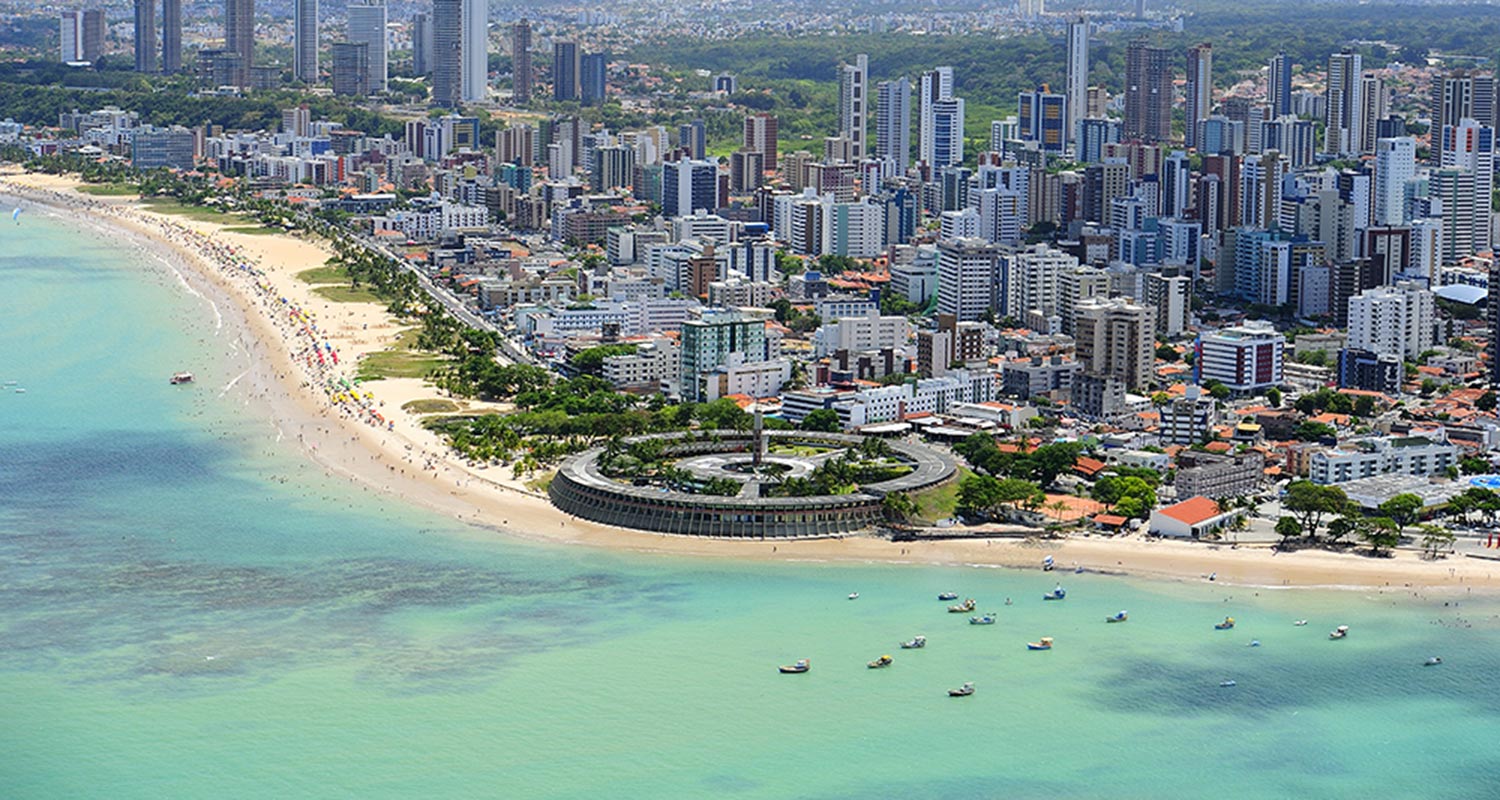
João Pessoa from above — Tambaú beach runs along the city’s main tourist strip, with calm water and easy access to the historic center.
1. Praia de Tambaú
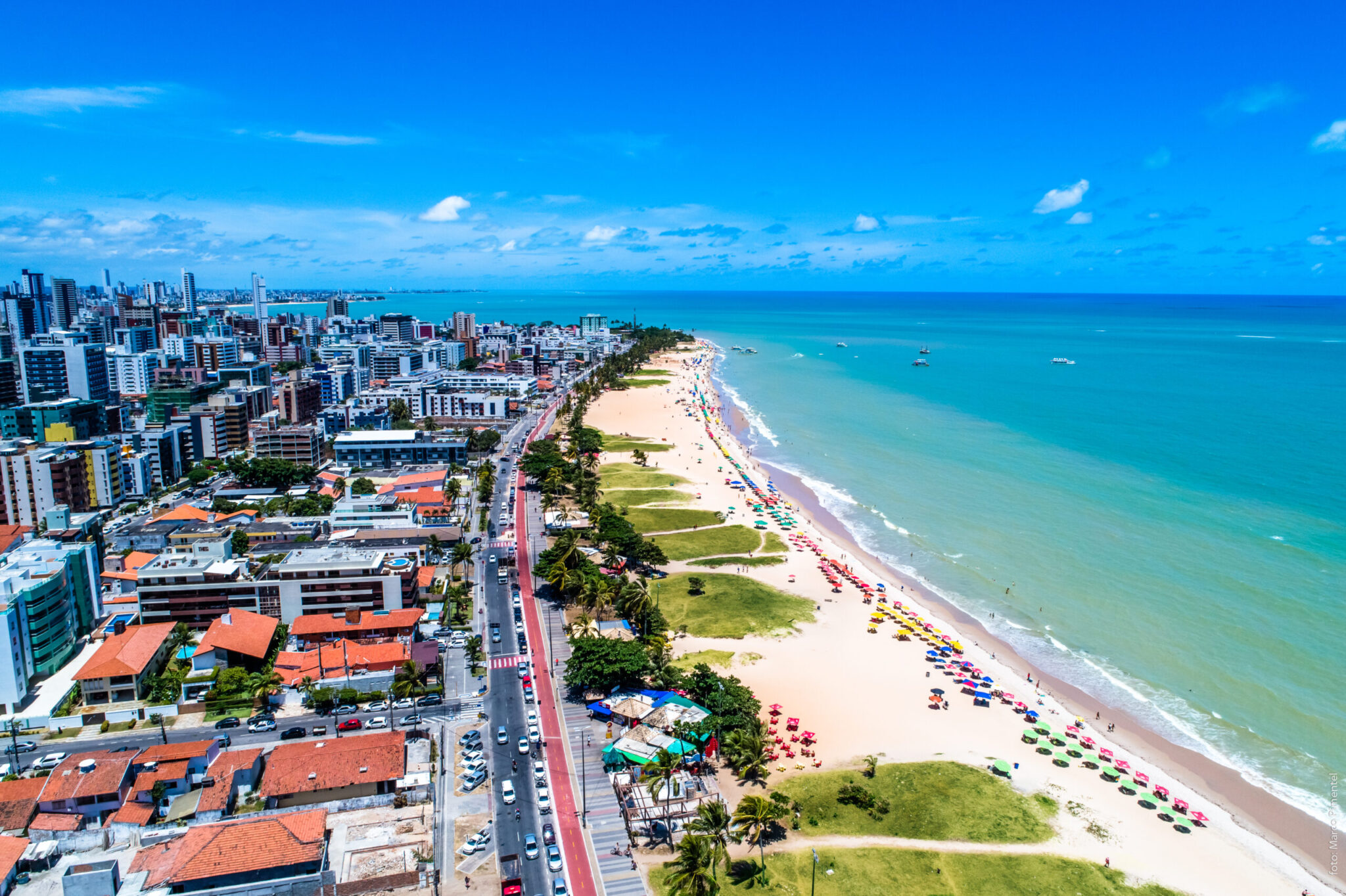
Praia de Tambaú — the main beach in João Pessoa, with calm water, a good boardwalk, and most of the city’s hotels and restaurants within walking distance.
Tambaú is the central beach of João Pessoa — the one most visitors base themselves around and the most convenient for accessing the rest of the city. The water is generally calm, the sand is clean, and the boardwalk behind the beach has a concentration of restaurants, bars, and craft stalls.
The Sunday craft fair along the waterfront is one of the best in the Northeast — local artisans sell handmade leather goods, ceramics, hammocks, and lace alongside street food. Worth timing your visit to catch it.
Swimming is good at Tambaú but the beach is at its best in the morning before the heat peaks. By early afternoon the onshore wind picks up significantly — better for kite flying than swimming.
2. Sunset at Praia do Jacaré
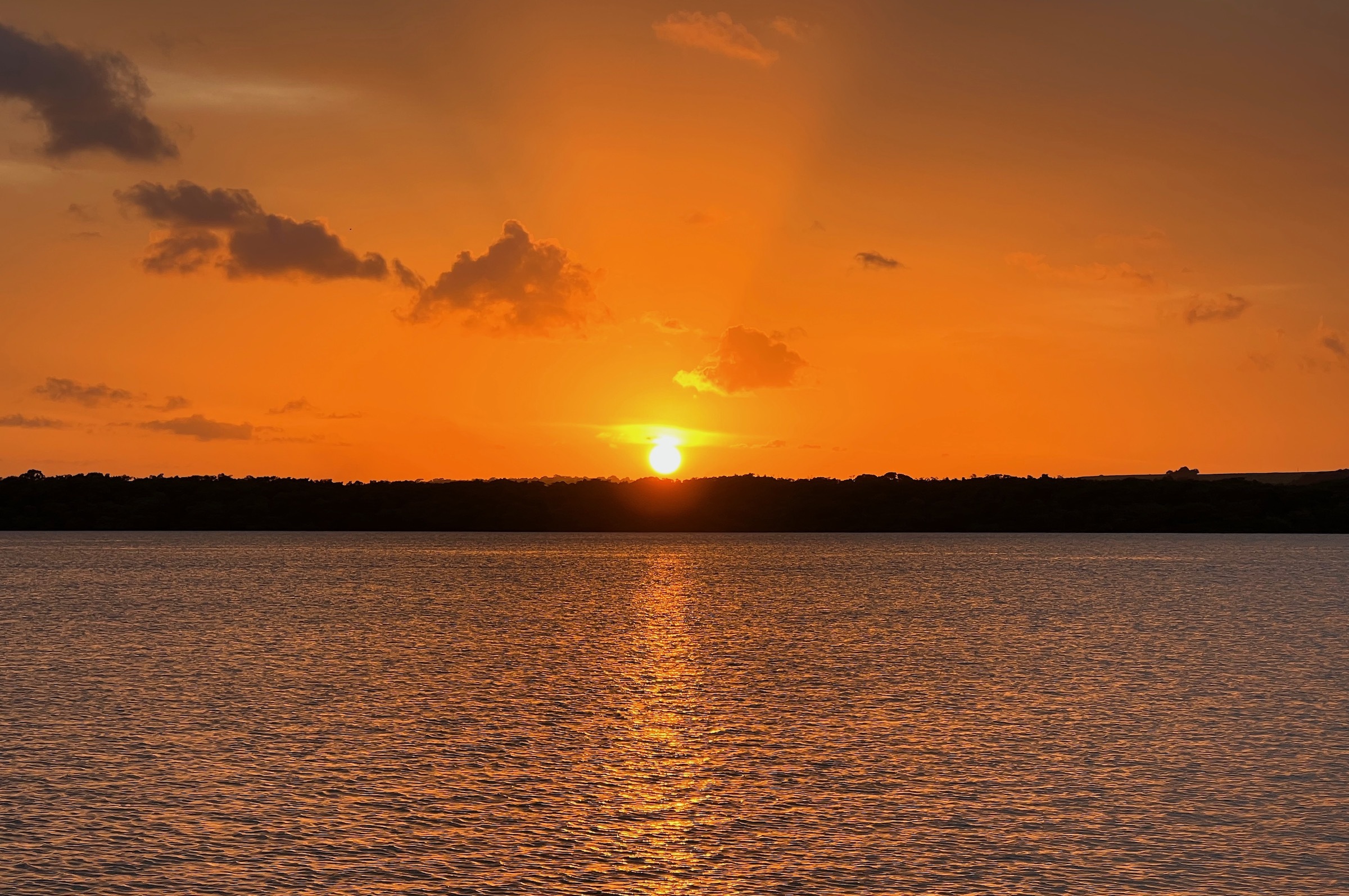
Sunset at Praia do Jacaré — the most-photographed moment in João Pessoa, where a saxophonist plays live as the sun drops over the Paraíba River estuary.
Praia do Jacaré is not a beach in the traditional sense — it’s a stretch of riverbank where the Paraíba River meets the sea, about 15km north of the city center. Every evening, vendors line the bank selling beer and snacks, small boats bob in the water, and a lone saxophonist plays as the sun sets over the estuary.
It sounds like a tourist setup — and it is — but it works. The sunset here is genuinely beautiful, the atmosphere is relaxed, and the combination of river, sea, and open sky gives you something you won’t find anywhere else in the Northeast. It’s become one of the defining experiences of João Pessoa.
Arrive at least 30 minutes before sunset for a good spot. Boats leave from the bank and take you out on the water for the view — costs around R$15–20 per person for a short trip. The walk back along the riverbank after sunset, with food stalls still open, is worth staying for.
3. Cabo Branco — Easternmost Point of the Americas
:strip_icc()/i.s3.glbimg.com/v1/AUTH_59edd422c0c84a879bd37670ae4f538a/internal_photos/bs/2018/k/u/VtRYP1R5i6f6NqC1Iixg/img-9475.jpg)
Cabo Branco — the easternmost point of the Americas, where a lighthouse marks the spot that first catches the sunrise on the continent.
Cabo Branco is the easternmost point of the Americas — the first place on the entire continent to see the sunrise each morning. A lighthouse marks the spot on a cliff above a long beach, with a small plaza and monument where visitors gather at dawn.
The Farol do Cabo Branco lighthouse was designed by Oscar Niemeyer — the same architect behind Brasília — and is one of his most unusual works. The building itself is worth seeing up close: a curved concrete structure that leans over the cliff edge like a ship’s prow.
The beach below the cliffs — Praia do Cabo Branco — is one of the better swimming beaches in the city, calmer than Tambaú and less crowded. The cliff walk between Cabo Branco and the adjacent Praia de Seixas gives you dramatic views over the coastline and is best done in the early morning before the heat.
4. Centro Histórico and Igreja de São Francisco

Igreja de São Francisco — one of the finest examples of Portuguese Baroque architecture in Brazil, with an interior covered entirely in azulejo tiles.
João Pessoa’s historic center is one of the best-preserved in the Northeast. The architecture dates mostly from the 17th and 18th centuries — Portuguese colonial buildings around cobblestone squares, many of them restored and painted in soft ochre and white.
The Igreja e Convento de São Francisco is the standout. The interior is covered floor to ceiling in hand-painted azulejo tiles — over 37,000 of them — making it one of the most remarkable baroque interiors in Brazil. The convent courtyard is quiet and peaceful; worth spending time in before the tour groups arrive in the morning.
The Praça Antenor Navarro nearby is the social heart of the old town — lined with bars and restaurants, with live music most evenings. A good place to end a morning of sightseeing with lunch.
5. Mercado de Artesanato da Paraíba
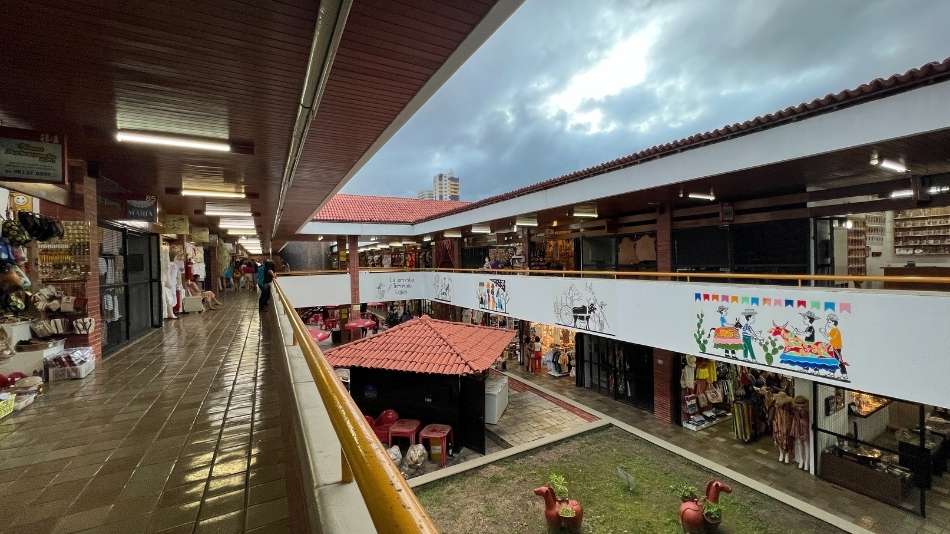
Mercado de Artesanato da Paraíba — the main craft market in the city, with leather goods, ceramics, lace, and regional produce at prices well below the beach stalls.
The Mercado de Artesanato da Paraíba in the city center is the best place to buy regional crafts — leather sandals and bags, handmade ceramics, Paraíba lace (renda), hammocks, and local cachaça. Prices here are generally lower than the beach stalls at Tambaú, and the quality is more consistent.
The market also has a small food section with local snacks — tapioca, caldo de cana (sugarcane juice), and regional sweets. Good for a cheap breakfast before heading to the historic center nearby.
Bargaining is normal and expected. The first price asked for most craft items is not the final price.
Planning where to stay in João Pessoa? We break down the best neighborhoods — from Tambaú beachfront to Manaíra and beyond.
Where to Stay in João Pessoa →6. Day Trip to Praia de Coqueirinho
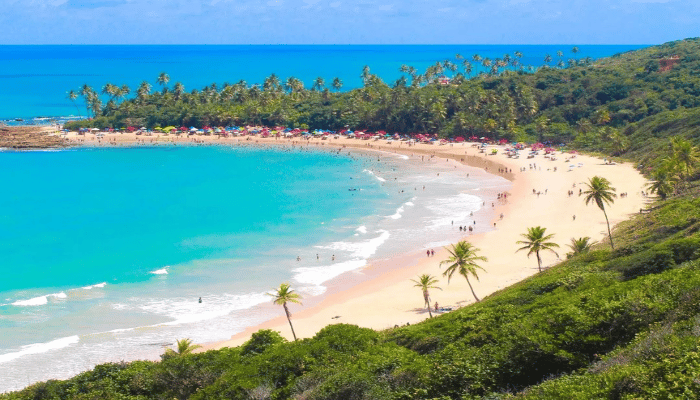
Praia de Coqueirinho — a largely undeveloped beach about 40km south of João Pessoa, with natural reef pools, red cliffs, and almost no tourist infrastructure.
Praia de Coqueirinho is about 40km south of João Pessoa — roughly 50 minutes by car — and is the best beach day trip from the city. It’s largely undeveloped: red cliffs at one end, natural reef pools at the other, and a long stretch of sand in between with very little tourist infrastructure beyond a few simple barracas.
The reef pools at Coqueirinho fill with warm, clear water at low tide and are calm enough for children. The cliffs at the northern end are walkable and give you elevated views over the coastline. The beach is wide and uncrowded even on weekends — a significant contrast to the busier beaches near the city.
Getting there independently requires a car or an organized tour. Public transport doesn’t run directly to Coqueirinho. The northern coast beaches tour on GetYourGuide covers Coqueirinho along with other beaches south of João Pessoa in a single day — the most practical option if you don’t have a car.
For the best way to visit the southern beaches from João Pessoa, a northern coast beaches tour on GetYourGuide covers Coqueirinho and the surrounding coastline with transport and a local guide included.
João Pessoa Northern Coast Beaches Tour
- ✔ Transport from João Pessoa included
- ✔ Praia de Coqueirinho and surrounding beaches
- ✔ Local guide included
- ✔ Free cancellation
7. Praia de Tambaba

Praia de Tambaba — a double beach about 50km south of João Pessoa, with dramatic red cliffs separating the two sections.
Tambaba is about 50km south of João Pessoa — a double beach separated by red cliffs, with one section open to all visitors and one section designated as Brazil’s first officially recognized naturist beach. The scenery at Tambaba is among the most dramatic on the Paraíba coast — red and white cliffs, clear water, and almost no development.
Most visitors come for the scenery rather than the naturism. The non-naturist section has a few barracas and is completely accessible. The red cliffs that separate the two beaches are worth climbing for the views over the coastline.
Tambaba is best combined with Coqueirinho on the same day — both are south of the city on the same coastal road and make a logical pairing for a full day trip.
8. Local Food in João Pessoa
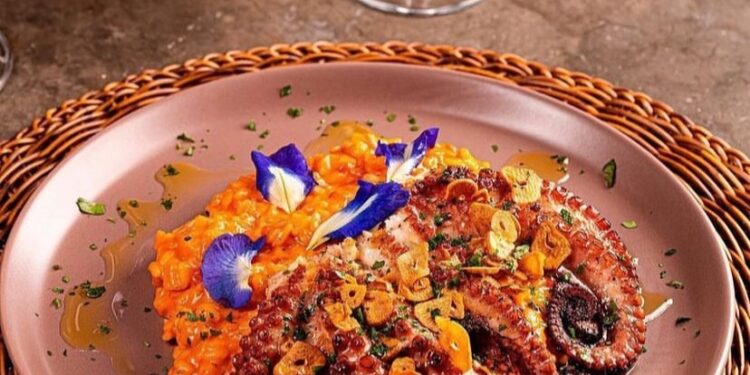
João Pessoa has a strong local food scene — particularly for fresh seafood, tapioca, and regional Paraíba dishes that are less well-known than Bahian cuisine but equally distinct.
João Pessoa’s food scene is understated but genuinely good. The city is on the coast, which means fresh seafood at prices that haven’t been inflated for tourists — grilled lobster, shrimp moqueca, and fish dishes are all significantly cheaper here than in Rio or Fortaleza.
The local specialty worth knowing is tapioca — not the dessert version, but the savory crepe made from manioc starch and filled with anything from shredded chicken to fresh cheese and honey. Street tapioca stalls are everywhere and cost R$6–15 depending on the filling.
The Manaíra neighborhood has the best concentration of sit-down restaurants — particularly along Avenida Epitácio Pessoa. For a proper local lunch, any kilo restaurant (pay by weight) in the city center or Tambaú area is reliable and cheap.
Practical Notes
- João Pessoa is small enough to cover most city attractions in 2–3 days. Add 1–2 days for southern beach day trips.
- Praia do Jacaré sunset is the unmissable experience — build your schedule around it at least once.
- The southern beaches (Coqueirinho, Tambaba) require a car or organized tour — public transport doesn’t reach them directly.
- The city is significantly safer than Fortaleza or Recife — the tourist areas require normal precautions but not the heightened awareness needed in larger Northeast cities.
- Water at the city beaches (Tambaú, Cabo Branco) is warmest and calmest from September to February — outside the rainy season.
- The Sunday craft fair at Tambaú is worth planning around if your visit includes a weekend.