
São Paulo FAQ
The most common questions tourists ask before visiting São Paulo — answered directly. If something isn’t covered here, the rest of our São Paulo guides go into more detail on each topic.
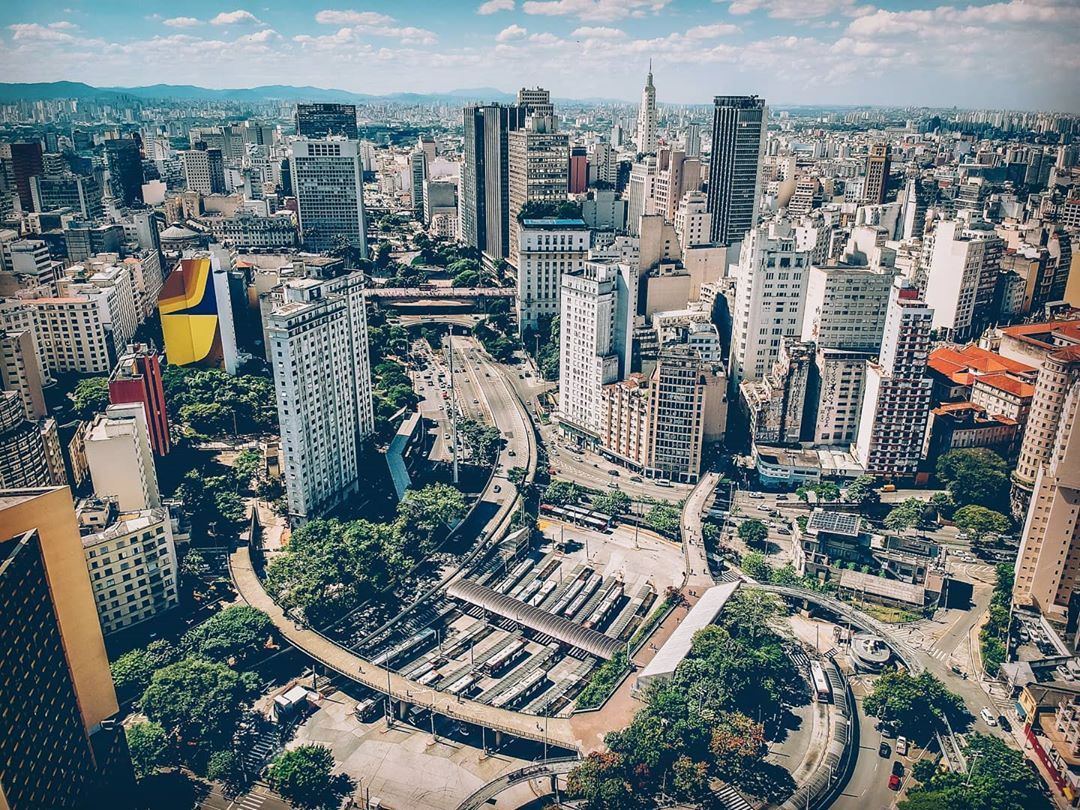
São Paulo — the largest city in the Southern Hemisphere, and a destination most people underestimate until they actually visit.
São Paulo is generally safer for tourists than its reputation as a massive megacity might suggest, especially in the main visitor neighborhoods — Jardins, Avenida Paulista, Pinheiros, and Vila Madalena. These areas are busy, well-attended, and reasonably well-policed.
The main risk is petty theft — phone snatching, pickpocketing, particularly on crowded public transport — rather than violent crime. Avoid the area known as Cracolândia near the center, which has no tourist value. See our full São Paulo safety guide for more detail.
Three to four days covers the main highlights comfortably — Avenida Paulista and MASP, Vila Madalena and Beco do Batman, the historic center and Mercado Municipal, and a museum like the Museu do Futebol. Add a day if you want to include a coastal day trip to Guarujá or explore the food scene more thoroughly.
Yes, particularly for food, culture, and street art. São Paulo lacks the postcard scenery of Rio or the beaches of the Northeast, but it offers one of the best food scenes in South America, significant museums, and neighborhoods with genuine character shaped by waves of immigration.
It’s a city that rewards people willing to actually explore rather than just sightsee from a checklist. Visitors who give it a fair chance tend to come away surprised by how much they enjoyed it.
April, May, September, and October offer the most pleasant weather — mild temperatures and lower rainfall than the summer months. Weather matters less in São Paulo than in beach destinations, though, and many visitors plan their trip around specific events instead, like the Virada Cultural festival in May or São Paulo Fashion Week in April and October.
See our full best time to visit guide for a complete month-by-month breakdown.
From Guarulhos International Airport, a rideshare to Jardins or Avenida Paulista costs around R$80–120 and takes 40–60 minutes depending on traffic. An airport bus service also connects to several points in the city at a lower cost than a rideshare.
If you’re flying domestically within Brazil, you’ll likely land at Congonhas instead, which is much closer to the center — a rideshare from there to Jardins or Paulista takes about 20–30 minutes.
More expensive than Recife or Salvador for accommodation, largely because São Paulo is a major business hub and hotel pricing reflects year-round corporate demand rather than tourist seasonality. Food and transport, on the other hand, offer excellent value relative to quality.
A mid-range trip — a 3-star hotel, a mix of restaurants, metro and rideshares — runs roughly $90–150 USD per person per day. See our full São Paulo costs guide for detailed price tables.
São Paulo is known for being the largest city in the Southern Hemisphere, its remarkably diverse food scene shaped by Italian, Japanese, and Lebanese immigration, the cultural and financial corridor of Avenida Paulista, and a strong street art scene centered on Vila Madalena’s Beco do Batman.
It’s also Brazil’s business and finance capital, which gives it a different character from the country’s beach and colonial cities — more cosmopolitan, more international, and less defined by any single tourist attraction.
The city itself does not — it sits inland, away from the coast. The state coastline, however, is within a few hours’ drive and includes well-regarded beaches like Ilhabela, Maresias, and Ubatuba on the litoral norte, plus the closer option of Guarujá, which works well as a single-day trip from the city.
See our full best beaches near São Paulo guide for details on each option.
More so than in most Brazilian cities, given São Paulo’s international business presence. Hotel staff, many restaurant workers, and people in corporate settings in Jardins and Paulista often speak functional to fluent English.
Outside these areas and among older locals, Portuguese is essential. A translation app on your phone covers most practical situations, and basic Portuguese phrases are always appreciated.
No, not for getting around the city itself. São Paulo traffic is famously heavy, and parking in most central neighborhoods is difficult and expensive. The metro is fast, cheap, and covers the main tourist areas well, and rideshares fill in the gaps.
A car only makes sense if you’re planning to drive to the coast or other destinations outside the city — for city-based sightseeing, public transport and rideshares are simply more practical.
Ready to plan your days? See our complete São Paulo itinerary.
São Paulo Itinerary →