
How Much Does São Paulo Cost?
São Paulo is a business city first and a tourist destination second, which shapes its pricing in a specific way: good food and transport are affordable, but accommodation and anything aimed at the corporate crowd costs more than you’d expect from a Brazilian city. Here’s what to actually budget.
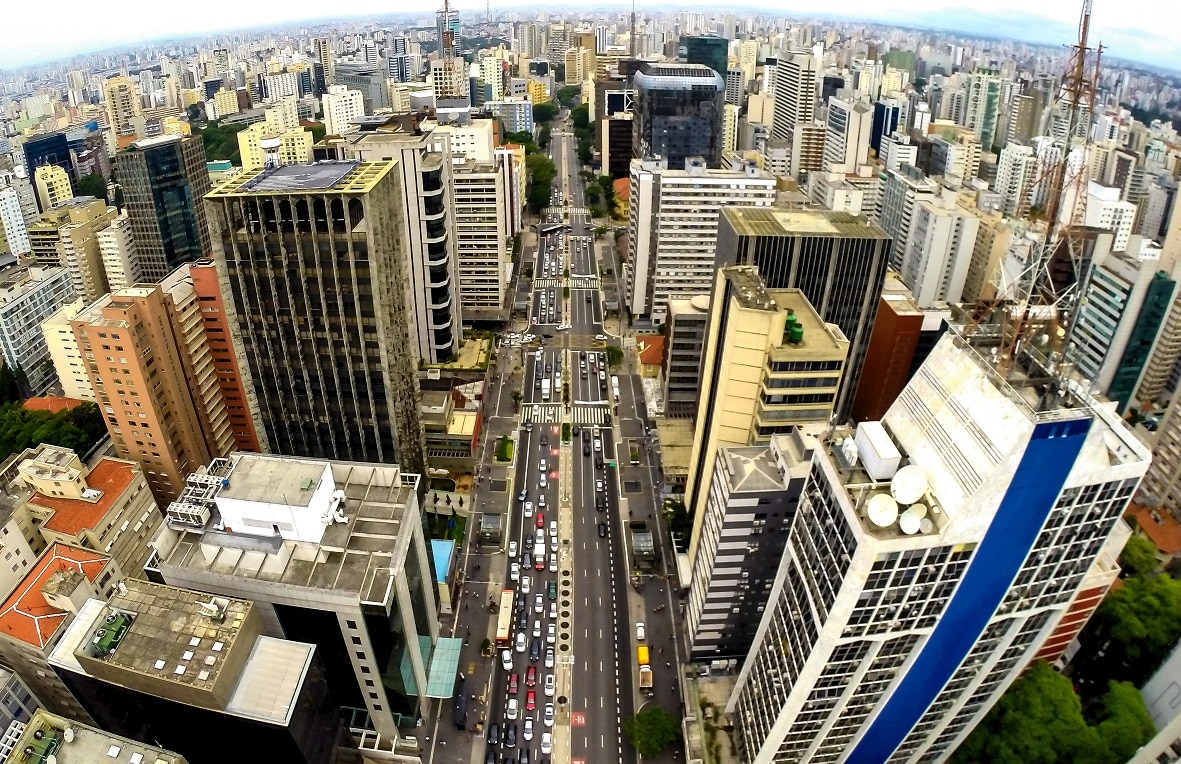
São Paulo’s size and business focus shape its costs differently from Brazil’s beach destinations — good value on food and transport, higher on accommodation.
Daily Budget Summary
These figures cover accommodation, food, local transport, and basic activities per person per day. They don’t include a beach day trip from São Paulo, which adds a one-off cost.
Hostel dorm, per-kilo lunches and street food, metro and buses, free museums and parks.
3-star hotel in Jardins or Paulista, mix of restaurants, rideshares, museum entries.
Boutique or international hotel, fine dining, private transfers, guided experiences.
Accommodation
Accommodation is the area where São Paulo costs the most relative to other Brazilian cities, largely because the city is a major business hub and hotel rates are influenced by corporate travel demand year-round, not just tourist season.
| Type | Details | Cost (USD) |
|---|---|---|
| Hostel dorm | 4–8 bed dorm, Centro or Paulista area | $14–24 |
| Budget private room | Simple hotel or guesthouse, private bathroom | $30–55 |
| 3-star hotel | Standard hotel in Jardins or Paulista, breakfast often included | $56–90 |
| 4-star / boutique | Better hotels in Jardins, full facilities | $100–200 |
| Airbnb apartment | 1-bed furnished, good for stays of 5+ nights | $45–90 |
Food and Drink
São Paulo has one of the best food scenes in South America, and it’s possible to eat extremely well here without spending much, especially away from the most touristy strips.
Food is where São Paulo offers genuinely excellent value relative to quality. The city has one of the most diverse food scenes in Latin America, shaped by waves of Italian, Japanese, Lebanese, and other immigrant communities, and the quality-to-price ratio is consistently strong.
Eating cheaply
Per-kilo restaurants (por quilo) are everywhere in São Paulo and offer some of the best value lunches in the country. A full plate typically costs R$30–55 ($6–11 USD) depending on the neighborhood — Jardins and Paulista run higher, Centro and residential areas lower.
Padarias (bakeries) are a São Paulo institution and useful for cheap, fast meals — a pastel and a juice or coffee runs R$15–25. The famous sanduíche de mortadela at the Mercado Municipal costs around R$35–50 and is substantial enough to share.
Sit-down restaurants
A mid-range restaurant meal with a drink runs R$80–160 ($16–32 USD) per person — higher than Recife or Salvador, reflecting São Paulo’s status as Brazil’s culinary capital. Japanese food in Liberdade is a genuine highlight and reasonably priced relative to quality. The city also has some of the most expensive fine dining in South America if you want to splurge.
Drinks
A beer at a bar runs R$10–20. Cocktails in Vila Madalena or Jardins cost R$25–45. Coffee culture is strong here — a proper espresso at a specialty cafe runs R$8–14, noticeably more than the simple padaria coffee elsewhere in Brazil.
| Item | Cost (BRL) | Cost (USD) |
|---|---|---|
| Per-kilo lunch (full plate) | R$30–55 | $6–11 |
| Pastel + juice (padaria) | R$15–25 | $3–5 |
| Mid-range restaurant meal | R$80–160 | $16–32 |
| Beer (bar) | R$10–20 | $2–4 |
| Cocktail (Vila Madalena / Jardins) | R$25–45 | $5–9 |
| Specialty coffee | R$8–14 | $1.60–2.80 |
Transport

São Paulo’s surface traffic can be heavy, which is exactly why the metro — fast, clean, and cheap — is the best way to move around the city.
Transport is one of São Paulo’s genuine bargains, especially the metro, which is the fastest and most reliable way to cover the city’s enormous distances.
Metro
A single metro fare costs R$5–6 regardless of distance, making it excellent value for a city this size. The system is clean, fast, and far more reliable than navigating surface traffic, particularly during rush hour. Most major tourist areas — Paulista, Liberdade, the historic center — are well served.
Rideshares
Uber and 99 both operate widely. A short trip within a neighborhood costs R$10–20. Crossing the city — say, from Jardins to Vila Madalena — runs R$20–35 depending on time of day and traffic. Rush hour significantly increases both price and travel time, so factor that into evening plans.
Buses
Cheap at R$4–6 per fare but harder to navigate without local knowledge or a transit app. Useful as a backup but not the default choice for most visitors given how good the metro is on the routes that matter most.
| Journey / Item | Cost (BRL) | Cost (USD) |
|---|---|---|
| Metro (single fare) | R$5–6 | $1–1.20 |
| Bus (single fare) | R$4–6 | $0.80–1.20 |
| Rideshare within neighborhood | R$10–20 | $2–4 |
| Rideshare across the city | R$20–35 | $4–7 |
| Day trip to Guarujá (rideshare, one way) | R$180–250 | $36–50 |
Activities
Many of São Paulo’s best experiences — parks, street art, walking neighborhoods — are free or close to it. Paid activities concentrate in museums and entertainment.
Several of São Paulo’s best experiences — Ibirapuera park, the street art of Vila Madalena, walking through Liberdade or the historic center — cost nothing. Paid activities are concentrated in museum entries and a handful of specific attractions.
| Activity | Cost (BRL) | Cost (USD) |
|---|---|---|
| Parks, street art, neighborhood walks | Free | Free |
| MASP entry | R$50 (free Tuesdays) | $10 |
| Museu do Futebol | R$20–30 | $4–6 |
| Museu da Imigração Japonesa | R$15–20 | $3–4 |
| Bike rental (Ibirapuera, per hour) | R$15–25 | $3–5 |
Ready to put it all together? See our complete day-by-day São Paulo itinerary.
São Paulo Itinerary →Money and Payments
Cards are very widely accepted in São Paulo — more so than almost anywhere else in Brazil, given the city’s business focus. Contactless payment is standard at most restaurants, shops, and even market stalls. Cash is still useful for smaller vendors and some street food, but you can get through most of a São Paulo trip on cards alone.
ATMs are everywhere, particularly inside shopping malls and bank branches. Bradesco, Itaú, and Banco do Brasil are the most reliable for international cards. Daily withdrawal limits of R$500–1,000 apply at some machines.