
Is Salvador Safe for Tourists?
Salvador has a reputation that scares some travelers off — and that reputation isn’t entirely wrong. But it’s also not the full picture. The city receives hundreds of thousands of international visitors every year, and most of them leave without incident.

Pelourinho during the day — busy, lively, and generally safe when the streets are full.
How Safe Is Salvador for Tourists?
Salvador consistently ranks among Brazil’s more challenging cities for crime. Petty theft — phones, bags, jewelry — is the most common issue tourists face. Violent crime exists but is largely concentrated in peripheral neighborhoods that visitors have no reason to enter.
The tourist areas of the city — Pelourinho, Barra, Rio Vermelho, Ondina — are patrolled and generally manageable. The risks go up significantly after dark, in isolated spots, and when you visibly carry expensive items.
The honest answer is that Salvador requires more awareness than Rio or São Paulo. Crime rates are genuinely higher, and certain areas are best avoided entirely. But with the right neighborhoods, the right habits, and realistic expectations, you can have a safe trip.
Safe Areas in Salvador
Areas to Approach With Caution
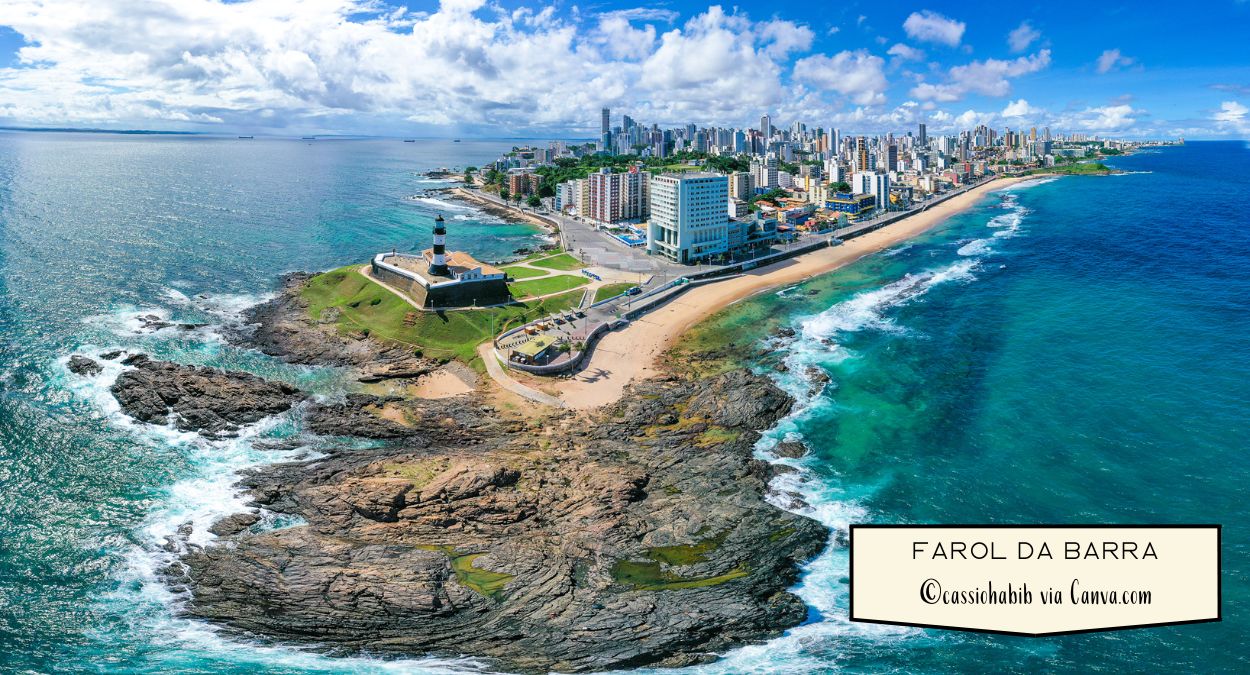
Barra is one of Salvador’s safest and most livable neighborhoods for tourists.
Most Common Risks for Tourists
Petty theft is the most likely thing to happen. Phone snatching, bag grabbing, and pickpocketing are common in crowded areas, on buses, and in Pelourinho. Keep your phone in your pocket, wear a cross-body bag, and don’t pull out expensive cameras on quiet streets.
Express kidnapping is less common but worth knowing about. Someone forces you to withdraw money from ATMs before releasing you. Use ATMs inside banks or shopping centers during daylight hours, not street ATMs at night.
Scams are common in tourist areas. Taxi overcharging, fake guides in Pelourinho, and unofficial “helpers” who attach themselves to tourists and expect payment at the end. Use 99 or Uber for transport and be direct when someone approaches you unsolicited.
Safety Tips That Actually Matter
- Use 99 or Uber at night — never hail a taxi on the street after dark
- Keep one cheap phone visible and your real phone hidden if you carry two
- Don’t wear watches, chains, or visible jewelry on the street
- Avoid using your phone while walking in busy or unfamiliar areas
- Stay on the main, lit streets in Pelourinho — don’t explore the edges at night
- Book accommodation in Barra, Rio Vermelho, or Ondina rather than directly in Pelourinho
- Don’t go to the beach after sunset
- Use ATMs inside shopping centers or bank branches, not street ATMs
- Keep a small amount of cash separate from your wallet in case of robbery
Salvador During Carnival
Carnival in Salvador is one of the biggest in Brazil — and one of the most chaotic in terms of crowd safety. Pickpocketing spikes dramatically during the festival period.
If you’re going for Carnival, buy an abadá (official bloco shirt) to stay inside the roped-off areas, which are patrolled and significantly safer than the open crowds outside. Avoid the fringes of the circuit at night without a group.
Salvador Is Manageable — With the Right Approach
Our honest take
Salvador is not the easiest city in Brazil for tourists, and it would be dishonest to pretend otherwise. The crime rates are higher than Rio or Florianópolis, and certain parts of the city are genuinely dangerous.
But the tourist areas are navigable. Stay in Barra or Rio Vermelho, use rideshares at night, leave the jewelry at home, and don’t wander into unfamiliar areas after dark. Most visitors leave without any serious incident.
The risks are real but they’re also predictable. A little research before you arrive goes a long way.