
Best Beaches in Rio de Janeiro
The best beaches in Rio de Janeiro are more varied than most visitors expect. Most tourists end up at Copacabana or Ipanema and never look further — and that’s fine. But knowing the differences between beaches, and which ones suit what kind of trip, makes a real difference in how you spend your days here.
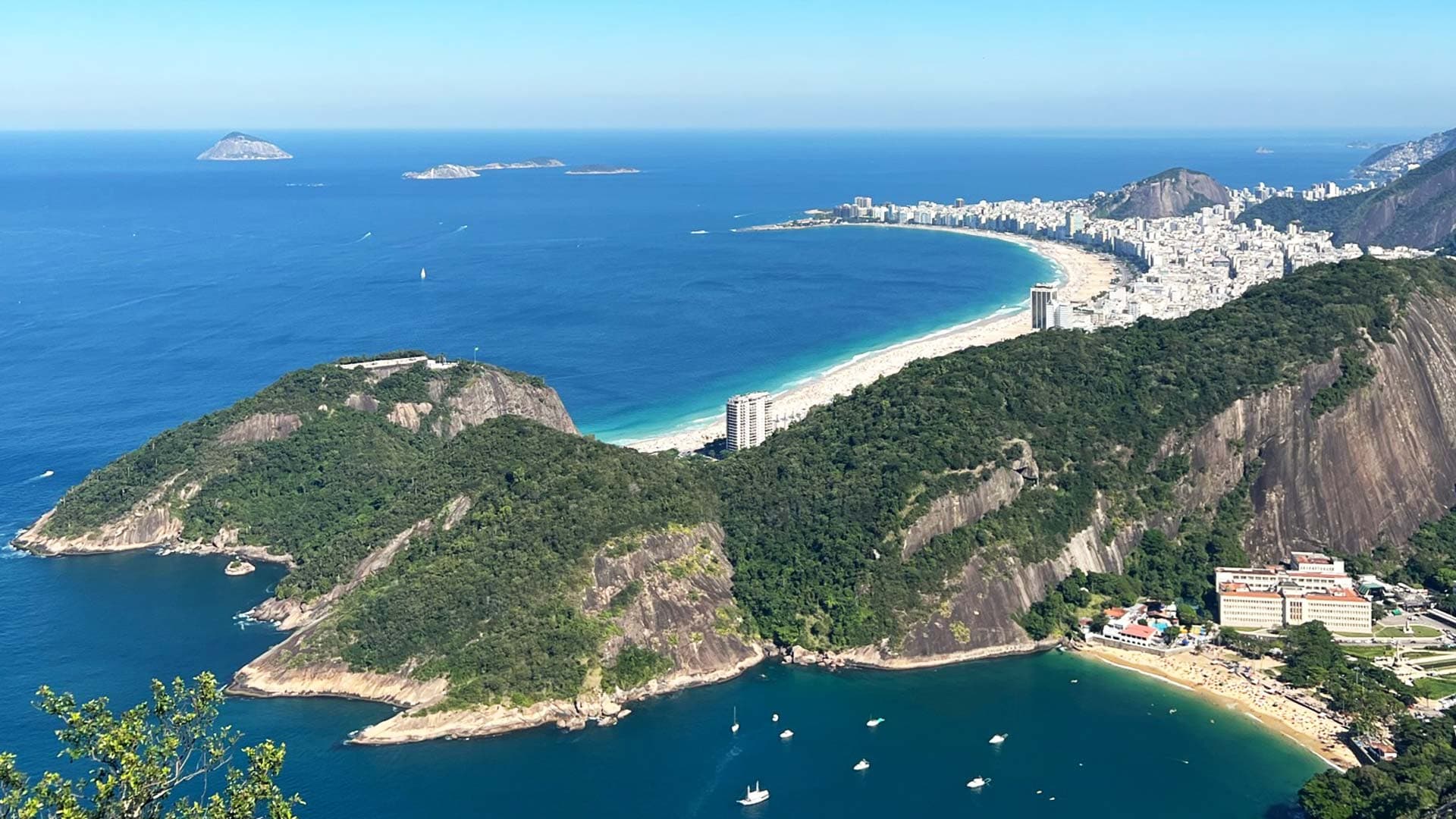
Rio’s beaches stretch along the South Zone from Leme to Barra da Tijuca and beyond.
Rio de Janeiro Beaches — Quick Overview
Rio’s beaches run along the South Zone (Zona Sul) from Leme to Barra da Tijuca, with a few more scattered further west. The most visited are Copacabana, Ipanema, and Leblon — all reachable by metro or a short Uber ride from the main tourist areas.
Further south, São Conrado and Barra da Tijuca are wider, longer, and much less crowded. At the far western edge of the city, Prainha and Grumari are protected areas with cleaner water and almost no tourist infrastructure. Each beach has a different crowd, atmosphere, and vibe.
If you want to explore Rio’s coastline beyond the city beaches, a boat trip to Angra dos Reis and Ilha Grande on GetYourGuide is one of the best day trips from Rio — crystal clear water, tropical islands, and a completely different side of the coast.
Angra dos Reis & Ilha Grande Boat Trip from Rio
- ✔ Full day on the water
- ✔ Crystal clear water and tropical islands
- ✔ Snorkeling stops included
- ✔ Free cancellation
Copacabana Beach
The most famous beach in Brazil. A 4km curve of sand between Leme and Arpoador, lined by the iconic black-and-white wave promenade. Copacabana is busy every day of the week — vendors, volleyball, football, capoeira, families, tourists, locals. It’s the full Rio beach experience in one place.
The water is generally clean enough for swimming, though it can get rough. Lifeguard posts (postos) are stationed every few hundred meters. The beach is free.

Copacabana’s 4km stretch and its iconic black-and-white wave promenade.
Ipanema Beach
Generally considered the best beach in Rio for first-time visitors. Cleaner than Copacabana, slightly less chaotic, and with a better crowd mix — locals, expats, and tourists all sharing the same stretch. The views toward Morro Dois Irmãos at the far end are some of the best in the city.
Each section of Ipanema has its own character. Posto 9 is the most popular general spot. The area near Posto 8 draws a younger, more active crowd. The stretch near Arpoador — where Ipanema meets Copacabana — is popular for watching the sunset. People genuinely applaud when the sun drops behind the mountains.

Ipanema beach looking toward Morro Dois Irmãos — one of the most photographed views in Rio.
Leblon Beach
Directly connected to Ipanema with no visible break, Leblon is usually less crowded and feels more local. The neighborhood is one of the wealthiest in Rio, and that shows in the beach — cleaner, quieter, with better kiosk infrastructure.
The area near Baixo Bebê at the far end of Leblon is a designated children’s play area with equipment on the sand. If you’re traveling with young children, this is the best beach in Rio to base yourself near.

Leblon beach at sunset, with the Two Brothers mountain (Morro Dois Irmãos) in the background.
Arpoador
A rocky point between Copacabana and Ipanema that’s technically not a beach, but one of the best spots in Rio to watch the sunset. Locals gather on the rocks at the end of the day — it’s free, easy to reach on foot from either beach, and one of those genuinely good Rio experiences that costs nothing.
There’s a small protected cove near the rocks that’s calmer for swimming than the open beach, popular with families and kids. The surf break here is also one of the most consistent in the South Zone.
São Conrado Beach
About 20 minutes south of Ipanema by Uber, São Conrado is a long, wide beach that’s significantly less crowded than the South Zone beaches. The neighborhood around it is mixed — luxury condos alongside the Rocinha favela — but the beach itself is calm and open.
Hang gliders land here after launching from Pedra Bonita up in the mountains. Even if you’re not flying, watching them come in is worth the trip on its own. If you want a quieter beach day without going too far from the city, São Conrado is a solid option.
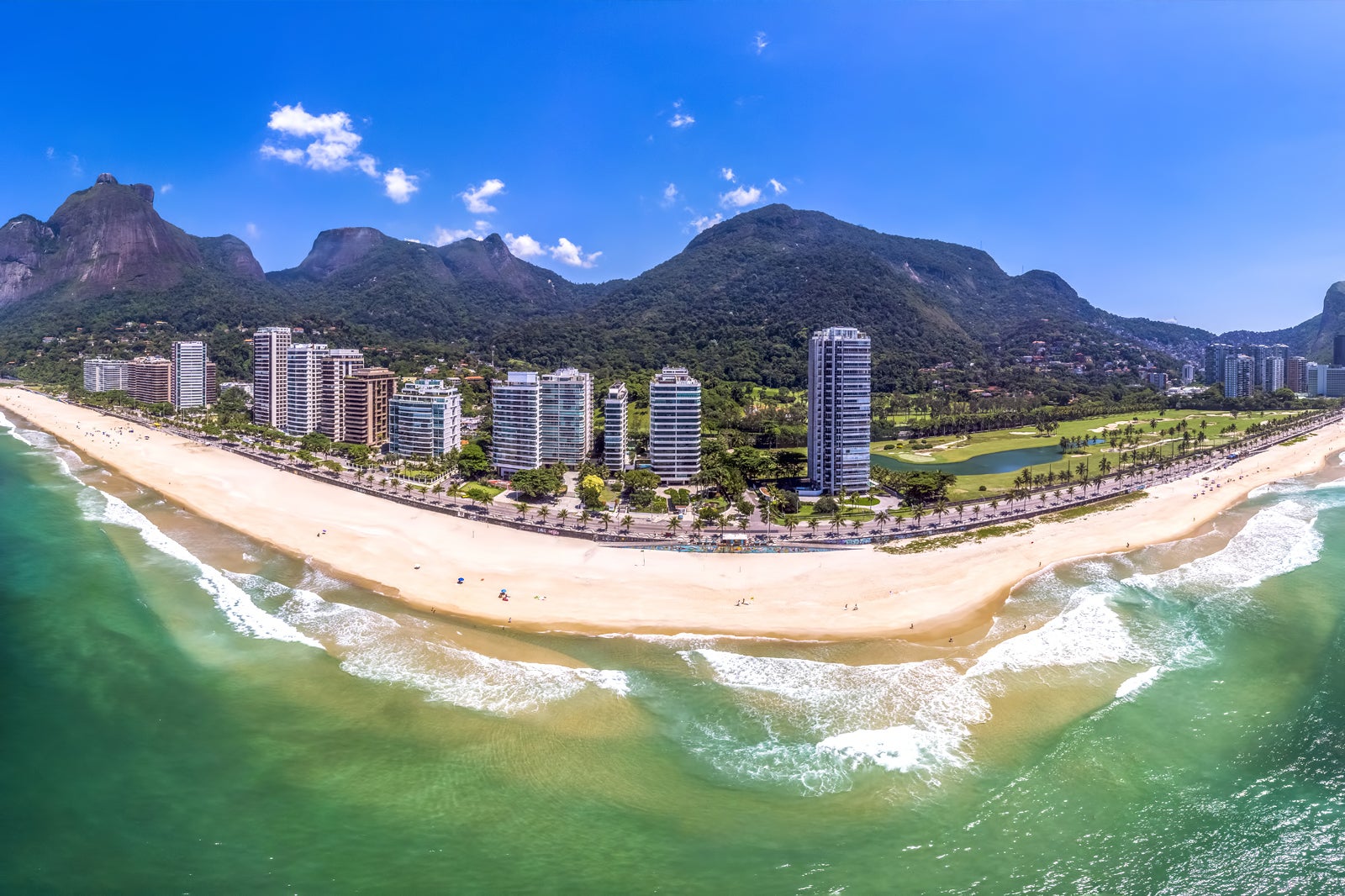
São Conrado — where hang gliders land after launching from Pedra Bonita in the mountains above.
Barra da Tijuca Beach
The longest beach in Rio at 18km. Barra is further from the center — about 40 minutes from Ipanema by Uber — but offers a completely different experience: wide open space, much calmer crowds, and consistent surf. The water tends to be cleaner than the city beaches.
The trade-off is distance and access. Barra is a car-dependent neighborhood, and without a car or Uber, getting around is awkward. It’s worth a day trip if you want a different pace, but not ideal as a base for a short visit.

Barra da Tijuca — 18km of open beach, strong surf, and far fewer people than the South Zone.
Prainha & Grumari
Two beaches at the far western end of Rio, past Barra. Both are protected areas with no construction on the waterfront, cleaner water, and much smaller crowds. Prainha is one of the best surf spots in Rio. Grumari is quieter and more remote — almost no vendors, almost no tourists.
Getting there requires a car or Uber — about 1 hour from Ipanema. Not practical every day, but worth the trip if you want to see what Rio’s beaches look like away from the tourist infrastructure.
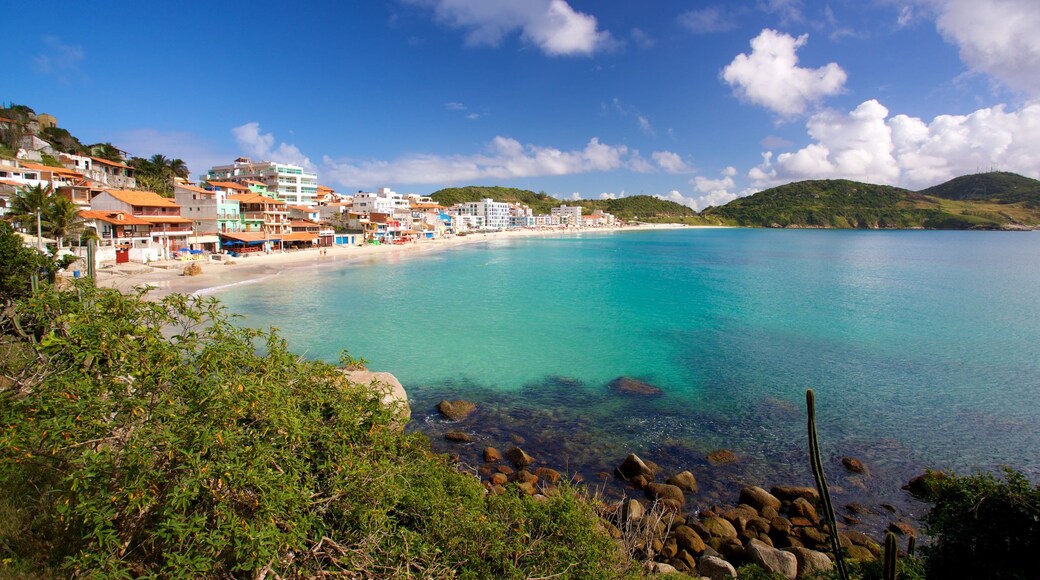
Prainha — a protected beach far from the city crowds, with some of the best surf in Rio.
Practical Tips for Rio de Janeiro Beaches
Getting there
Copacabana and Ipanema are the easiest to reach by metro. Leblon, Arpoador, São Conrado, Barra, Prainha, and Grumari all require Uber or bus. Uber is reliable and cheap — budget $3–8 USD for most South Zone trips.
When to go
Go early on weekends. Ipanema and Copacabana fill up fast on Saturday and Sunday mornings. By 10am, finding a good spot requires either arriving early or renting chairs from a kiosk vendor.
What to bring
Leave your phone, cards, and passport at the hotel. Bring only small bills for vendors and kiosks. A small waterproof pouch for your cash is useful. Sunscreen SPF 50 minimum — the sun here is stronger than it looks, even on overcast days.
Beach kiosks
Renting chairs and umbrellas typically costs R$20–40 ($4–8 USD). Worth it — kiosk vendors watch over your spot and you’re not sitting on the sand in direct sun. Coconut water, cold beer, and snacks are all available directly on the beach.