
Foz do Iguaçu Travel Guide
Home to the largest waterfall system on Earth — and more worth knowing about than most visitors expect.

Iguazu Falls — 275 cascades across nearly 3 kilometers on the Brazil-Argentina border.
About Foz do Iguaçu
Foz do Iguaçu is a city in the far west of Paraná state, on the point where Brazil, Argentina, and Paraguay meet. It exists almost entirely because of the falls — the city grew around tourism and its infrastructure reflects that. The attractions are concentrated and practical to visit.
Most international travelers come for 2–3 days. That’s the right call. The Brazilian side of the falls, the Argentine side, and Itaipu Dam represent three genuinely different experiences — each worth a full day. Parque das Aves and the Three Borders Landmark fill out a third day comfortably.
The falls themselves were recognized as one of the New 7 Wonders of Nature in 2011. That designation is accurate. The scale and noise when you’re standing at the Devil’s Throat is something that doesn’t translate well in photographs.
Why Visit Foz do Iguaçu
Top Things to Do in Foz do Iguaçu

Iguazu Falls — Brazilian Side
The 1.2km Trilha das Cataratas ends at the Devil’s Throat viewing platform. Go early — park opens at 9am and tour buses arrive from 10am.

Iguazu Falls — Argentine Side
Narrow walkways take you inside the falls — a completely different perspective from Brazil. Needs a full day. The Devil’s Throat from above is overwhelming.
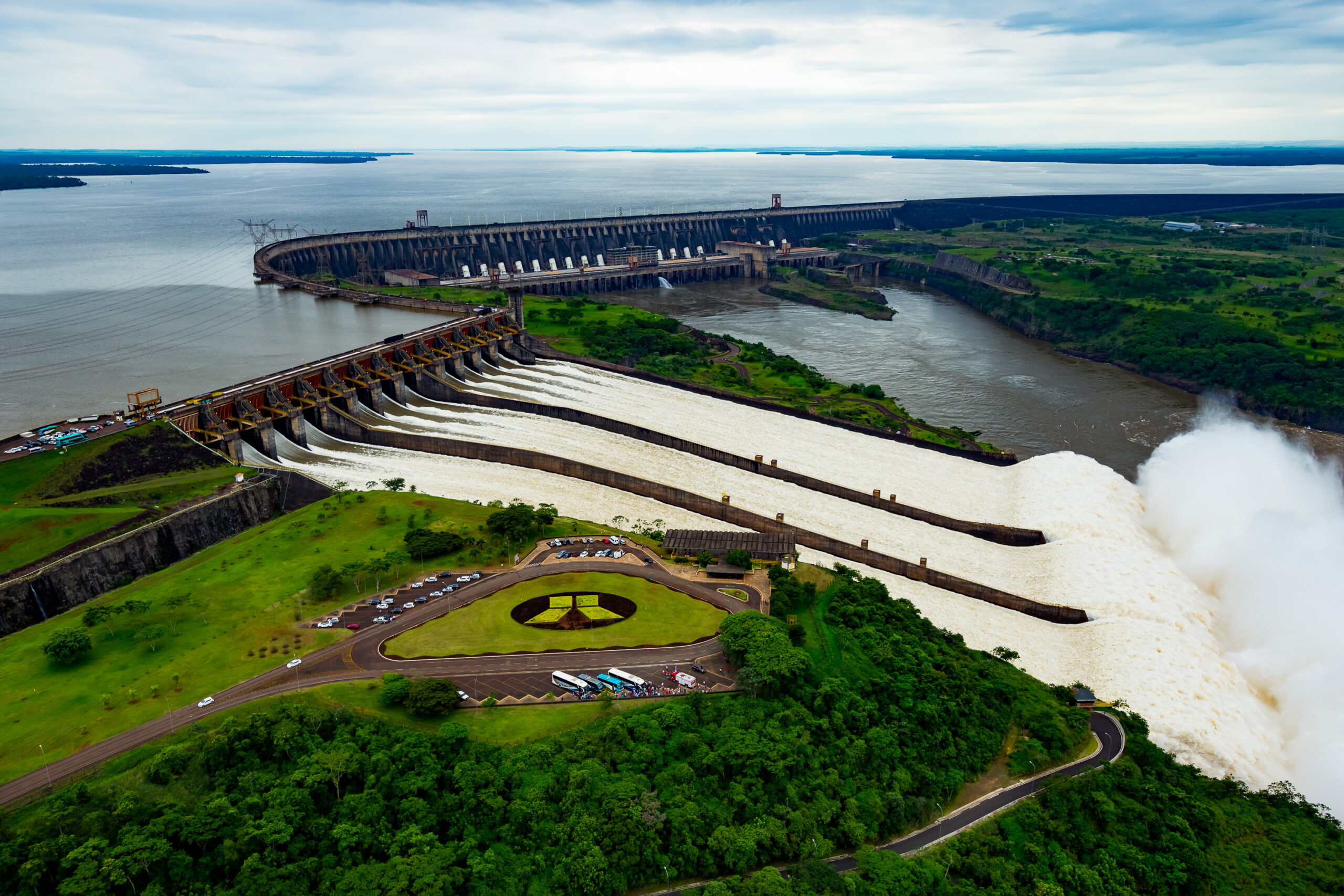
Itaipu Dam
14km north of the city. Several tour options from panoramic to full technical visits inside the turbine galleries. One of the most impressive engineering projects ever built.

Parque das Aves
Walk-through aviaries with toucans, macaws, and over 1,500 birds. Located at the park entrance — visit in the morning before the falls on Day 1.

Macuco Safari
Boat tour that takes you directly under the falls on the Brazilian side. You will get completely soaked. Book in advance — it sells out during peak season.
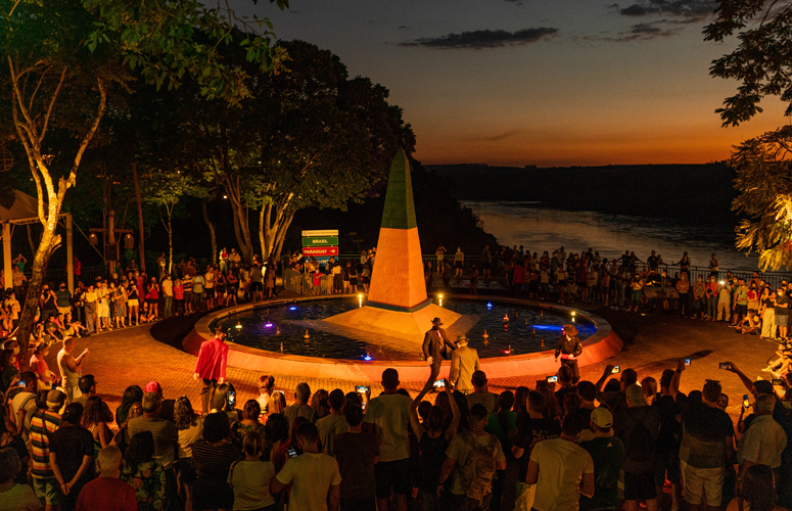
Marco das 3 Fronteiras
The point where Brazil, Argentina, and Paraguay meet at the confluence of the Iguaçu and Paraná rivers. Easy to combine with Itaipu on Day 3.
Where to Stay in Foz do Iguaçu
Foz do Iguaçu has two main areas for accommodation. The falls corridor along Avenida das Cataratas concentrates most mid-range and upscale hotels, closer to the park entrance. The city center is cheaper, has more restaurant options, and is still only 25 minutes from the falls by bus or Uber.
The Belmond Hotel das Cataratas is the only hotel inside the national park — guests get access to the falls two hours before the park opens to day visitors. Rates start around $500 USD per night.
Is Foz do Iguaçu Safe?
Foz do Iguaçu is significantly safer than most Brazilian cities of comparable size. The tourist areas — the falls, Itaipu, the falls corridor hotels — are well-policed and low-risk. The main precautions to take are the same as anywhere in Brazil: don’t carry valuables you don’t need, use Uber at night, and stay in the established tourist areas.
The city center requires slightly more awareness than the falls area but is still manageable. The crossing to Paraguay (Ciudad del Este) is more chaotic — keep bags closed in the market areas and don’t carry excess cash.
How Much Does It Cost to Visit Foz do Iguaçu?
Best Time to Visit Foz do Iguaçu
FAQ About Foz do Iguaçu
QHow many days do I need in Foz do Iguaçu?
Three days is the right amount for most travelers. Day 1: Brazilian side + Parque das Aves. Day 2: Argentine side (full day). Day 3: Itaipu Dam + Three Borders. Two days is possible if you skip one attraction, but it feels rushed.
QIs the Brazilian or Argentine side better?
Different, not better or worse. The Brazilian side gives you the panoramic view of the full falls system. The Argentine side takes you inside the falls — narrow walkways over the water with cascades on both sides. Most people prefer to do both. If you only have one day, do Brazil.
QHow do I get from the airport to the falls?
Foz do Iguaçu airport (IGU) is about 15 minutes from the falls entrance. Uber costs around R$30–40 (~$6–8 USD). Many hotels offer airport transfers — confirm when booking.
QDo I need a visa for Argentina to visit the Argentine side?
Most nationalities (US, UK, EU, Canada, Australia) can enter Argentina without a visa for tourist visits. Check your specific country’s requirements before traveling — bring your passport regardless.
QIs the Macuco Safari worth it?
Yes, if you want a visceral experience rather than just the walkway view. The boat takes you directly under the falls — you’ll get completely soaked. Budget around R$299 (~$58 USD) per person. Book in advance during peak season.
Ready to plan your visit day by day? Our 3-day itinerary covers the Brazilian side, Argentine side, and Itaipu in the right order.
Foz do Iguaçu 3-Day Itinerary →Final Tips for Foz do Iguaçu
- Arrive at the Brazilian side when the park opens at 9am. The first 90 minutes before tour buses arrive are significantly better.
- Bring a dry bag or waterproof phone case — you will get wet at the Devil’s Throat on both sides.
- Do Brazil before Argentina. The panoramic view from the Brazilian side gives you context before you go inside on the Argentine circuits.
- Coatis — raccoon-like animals — roam the park freely and are not shy. Keep your bag closed and don’t feed them.
- Bus line 120 from the city center goes directly to the park entrance for about R$5. Useful if you’re doing the falls independently more than once.
- Book the Macuco Safari in advance during Brazilian school holidays — it fills up fast.
- Foz do Iguaçu is noticeably cheaper than Rio or São Paulo at every budget level. Your money goes further here.
For guided experiences covering the falls, Macuco Safari, and day trips from Foz do Iguaçu, GetYourGuide has a strong selection with hotel pickup and free cancellation on most bookings.
Iguazu Falls — Brazilian Side with Macuco Safari
- ✔ Park entry included
- ✔ Macuco Safari boat tour
- ✔ Hotel pickup in Foz do Iguaçu
- ✔ Free cancellation