Best Time to Visit Fortaleza
The best time to visit Fortaleza depends on whether you’re coming for the beaches, the day trips, or the city’s festivals. Fortaleza has warm weather year-round, but the difference between dry and rainy season is significant enough to affect how you plan.
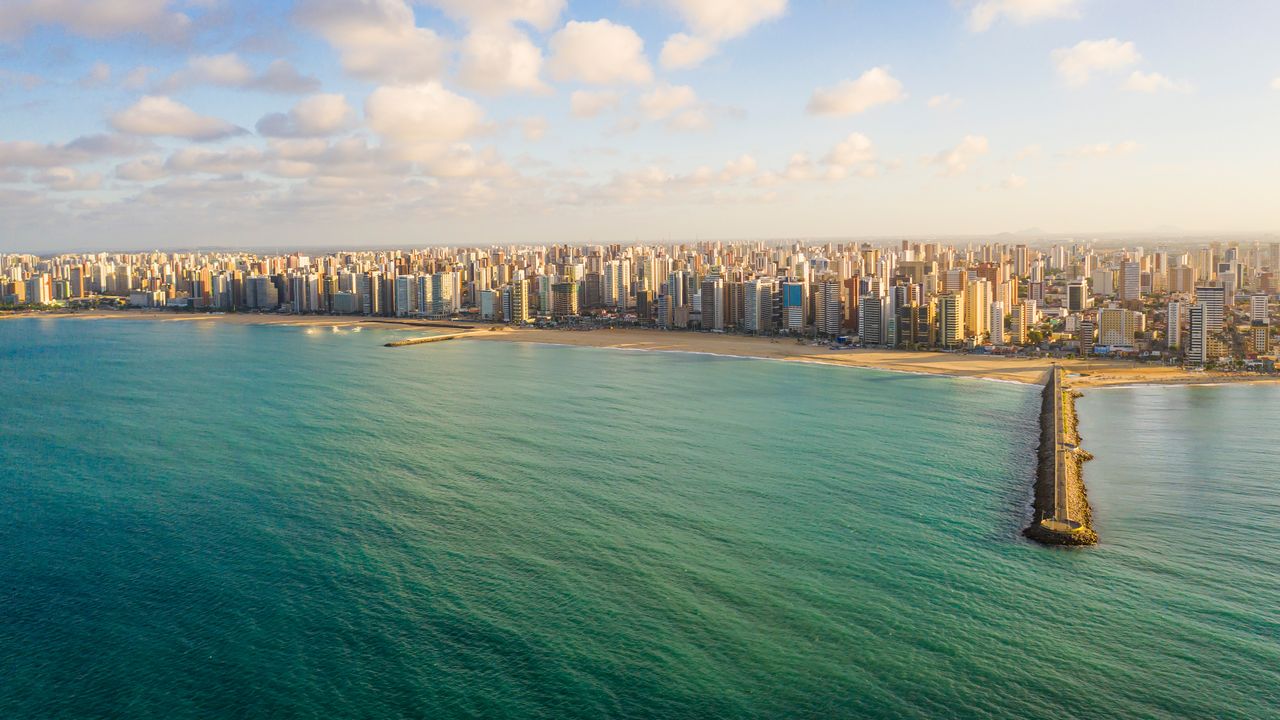
Fortaleza has over 2,700 hours of sunshine per year — but the rainy season from January to May brings enough rain to affect beach and day trip plans.
Quick Answer
Best overall: July to November. The dry season gives you clear skies, calm seas, and full access to all beaches and day trips. August and September are the sweet spot — dry, less crowded than July, and with consistent wind for kitesurfing in Cumbuco and Jericoacoara.
Best for budget: May to June. The tail end of the rainy season. Prices are lower, crowds are smaller, and the rain is usually afternoon showers rather than all-day downpours. A good option if you’re flexible about the weather.
Avoid: February to April if beach and day trips are your priority. Peak rainy season — some days are fine, but the pattern is unpredictable enough to disrupt plans.
Season Breakdown
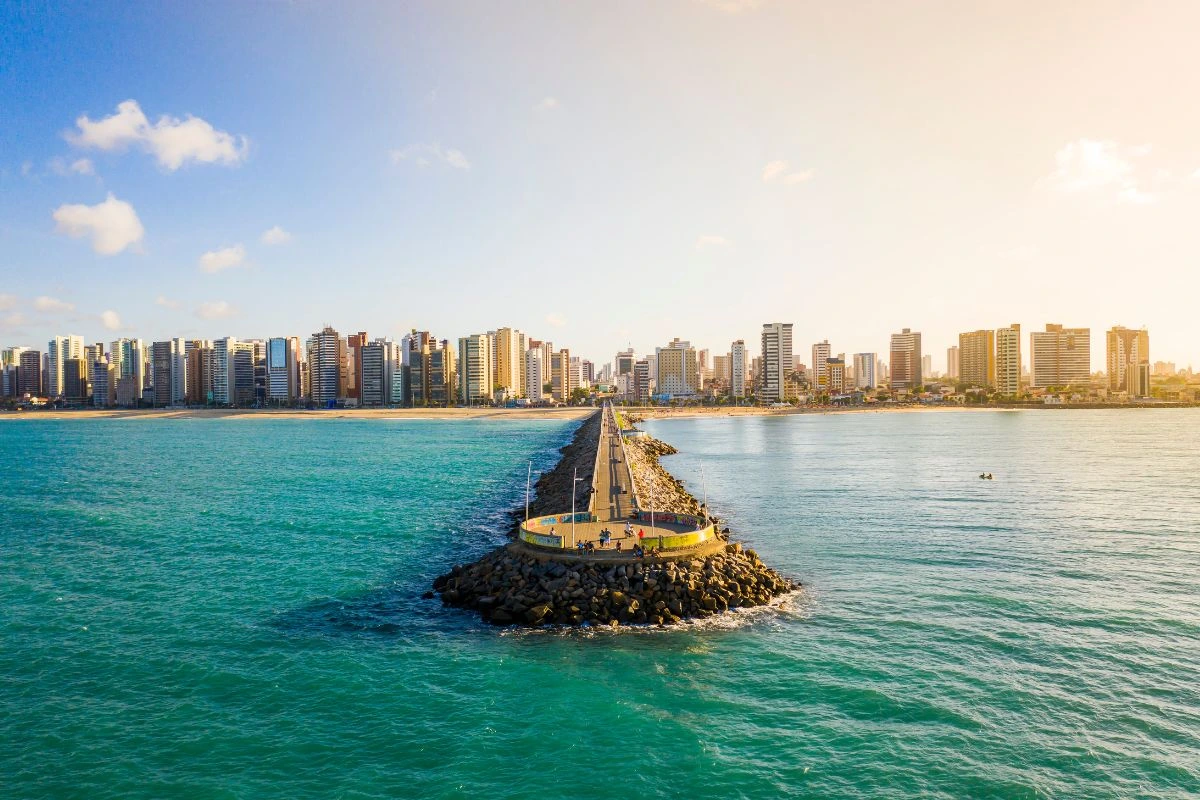
Fortaleza in the dry season — July through November brings consistently clear skies and strong trade winds along the coast.
Month by Month
Ready to plan your days in Fortaleza? Our itinerary covers 5 days with the best beaches and day trips in the right order.
Fortaleza Itinerary →Key Events and Festivals

Festa Junina — Ceará’s most important cultural festival, celebrated throughout June with forró music, traditional food, and street parties across Fortaleza.
Carnival — February or March
Fortaleza’s Carnival is smaller than Salvador or Rio but genuinely enjoyable. The micareta format — street parades with axé music trios — runs across several neighborhoods. The rain in February and March is the main drawback. If Carnival is your reason for visiting, go — the atmosphere more than compensates for the weather.
Festa Junina — June
Ceará’s most important cultural event. June is when the entire state celebrates with forró music, traditional food (canjica, pamonha, quentão), quadrilha dancing, and street parties. Fortaleza’s celebrations are large and genuinely festive — this is not a tourist event but a real cultural tradition. The Centro Dragão do Mar hosts some of the best events in the city.
June also falls in the shoulder season — the weather is mostly good, prices are reasonable, and the Festa Junina adds real energy to the city. One of the best times to visit if you want cultural depth alongside beach access.
High Season — July and December/January
Brazilian school holidays drive up prices and crowds significantly. July is the most popular month domestically. Hotels in Meireles book up weeks in advance and prices rise 30–50% from low season. If you’re visiting in July, book well ahead.
Practical Tips
- The dry season wind from July to January is strong in Fortaleza and along the entire Ceará coast. Good for kitesurfing, less comfortable for relaxed swimming or sunbathing. Budget for a beach tent or plan to use the barracas.
- Day trips to Canoa Quebrada, Morro Branco, and especially Jericoacoara are most reliable from July to November. During the rainy season, road conditions and beach access can be disrupted.
- Jericoacoara is 300km from Fortaleza — check weather conditions before committing to the trip. Rainy season makes the 4×4 sand tracks more difficult.
- Water temperature in Fortaleza stays around 26–28°C year-round. It doesn’t meaningfully change between seasons.
- If you’re specifically coming for Festa Junina, mid-June is the peak week — book accommodation in Meireles at least 3–4 weeks ahead.