
Things to Do in Foz do Iguaçu
Most people come to Foz do Iguaçu for the falls. That’s the right call — but the city has more going for it than one attraction. This guide covers everything worth doing in Foz do Iguaçu, including what to skip.

Iguazu Falls — the starting point for any visit to Foz do Iguaçu, and for most people, the highlight of their entire trip to Brazil.
1. Iguazu Falls — Brazilian Side
The Brazilian side of Iguazu Falls is where almost every visit begins, and for good reason. A 1.2km walkway follows the canyon edge and ends at a viewing platform directly over the Devil’s Throat — the largest single cascade in the system. The panoramic view of the full falls is something you genuinely can’t prepare for.
The park opens at 9am. Arrive early — tour buses start filling the walkway from around 10am and the difference in crowd levels between 9am and 11am is significant. Budget 3–4 hours for the full trail at a comfortable pace.
The Macuco Safari boat tour runs from within the park and takes you directly under the falls. You will get soaked. It’s worth doing if you want something more visceral than the walkway view — book it in advance, especially during peak season.
For a guided experience that covers the Brazilian side with the Macuco Safari included, the Iguazu Falls tour on GetYourGuide handles transport, park entry, and the boat tour in a single booking.
Iguazu Falls — Brazilian Side with Macuco Safari
- ✔ Park entry included
- ✔ Macuco Safari boat tour
- ✔ Hotel pickup in Foz do Iguaçu
- ✔ Free cancellation
2. Iguazu Falls — Argentine Side

The Argentine side puts you inside the falls rather than across from them — a completely different perspective that takes a full day to see properly.
The Argentine side of the falls is a different experience from Brazil. Where the Brazilian walkway gives you the panoramic view, the Argentine circuits take you into the falls — narrow paths over the water with cascades on both sides. The Devil’s Throat from the Argentine perspective is looking straight down into it from above.
Budget a full day for the Argentine side. Three circuits — Upper, Lower, and the Devil’s Throat walkway — take 4–6 hours combined. The crossing from Foz do Iguaçu is straightforward: organized tours handle everything, or you can take the public bus from the urban terminal.
You need your passport for the crossing. Argentine entry for foreigners costs around $23 USD in 2026 — check current prices before you go as they fluctuate.
3. Itaipu Dam
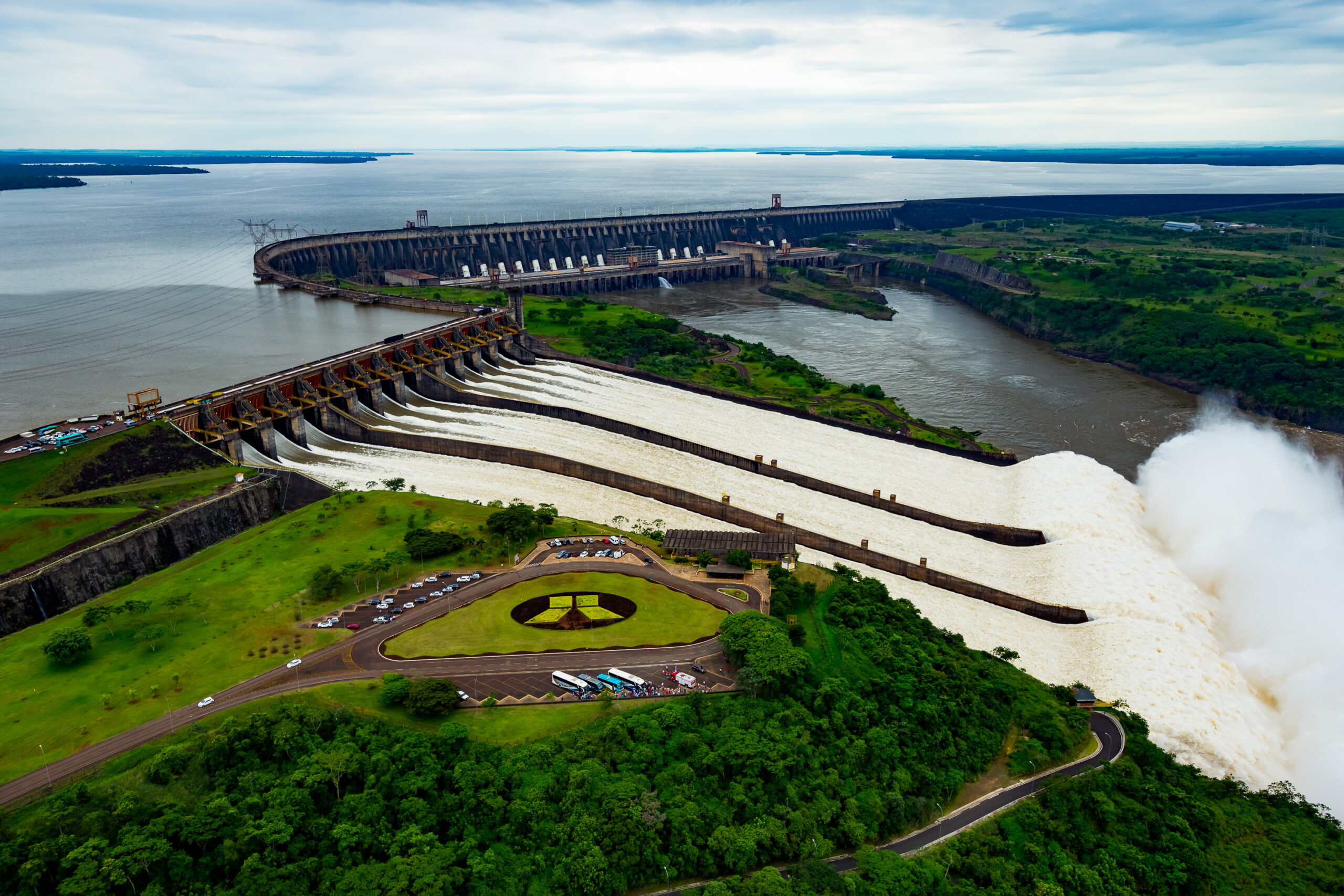
Itaipu Dam — 7.2km long, 65 stories high, and responsible for roughly 15% of Brazil’s electricity. One of the largest hydroelectric plants ever built.
Itaipu Dam sits on the Paraná River on the Brazil-Paraguay border, about 14km north of Foz do Iguaçu. It was once the largest hydroelectric power plant in the world and is still among the most productive. The scale is genuinely impressive — 7.2km long and 65 stories high.
Several tour options are available, from a panoramic bus tour of the dam’s exterior to a full technical visit inside the plant. The basic panoramic tour (Circuito Especial) costs around R$35 (~$7 USD) and gives you good views and a clear sense of the scale. The more detailed tours go inside the turbine galleries.
The Itaipu Illuminated Tour runs at night and is worth considering — the lit-up dam with a soundtrack and guided commentary is an unusual experience. Tours depart from the Itaipu visitor center.
Planning how many days you need in Foz do Iguaçu? See our day-by-day itinerary covering the falls, Itaipu, and the Argentine side.
Foz do Iguaçu Itinerary →4. Parque das Aves

Parque das Aves — walk-through aviaries where toucans, macaws, and other tropical birds fly freely around visitors.
Parque das Aves is a bird sanctuary at the entrance of the national park. It consistently rates as one of the top attractions in Foz do Iguaçu and it earns that — over 1,500 birds across 150+ species, mostly housed in walk-through aviaries where the animals fly freely around you.
Toucans, hyacinth macaws, flamingos, giant anteaters, and several species of parrots are among the highlights. Some birds will land on you if you hold food — the park provides it. The setup is more engaging than a standard zoo and the quality of the enclosures is high.
Entry costs around R$70 (~$14 USD) and takes 1.5–2 hours. Visit in the morning on the way into the falls — the birds are more active in cooler temperatures and you avoid the midday heat.
5. Marco das 3 Fronteiras
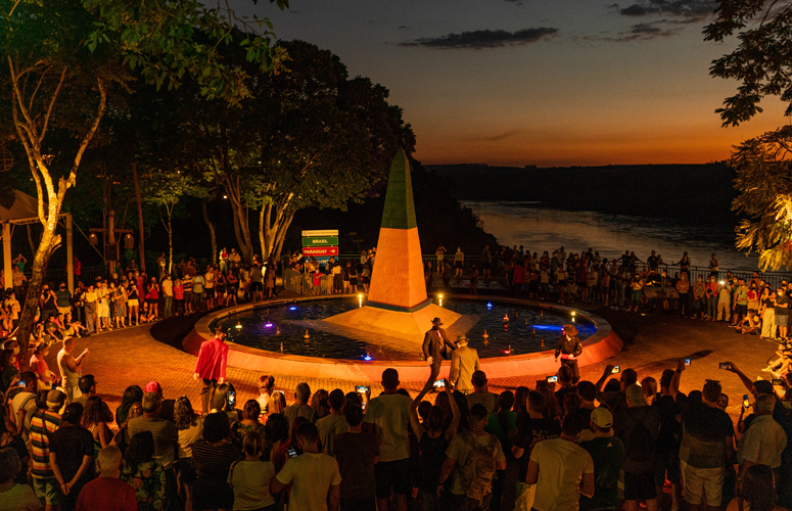
Marco das 3 Fronteiras — where Brazil, Argentina, and Paraguay meet at the confluence of the Iguaçu and Paraná rivers.
The Three Borders Landmark is the point where Brazil, Argentina, and Paraguay meet — at the confluence of the Iguaçu and Paraná rivers. Each country has an obelisk in its national colors on its respective bank. From the Brazilian side you can see all three simultaneously.
The site has improved significantly in recent years with a cultural space, restaurant, and evening light shows. It’s worth an hour of your time, particularly at sunset when the river views are best. Entry is around R$30 (~$6 USD).
Boat tours also depart from here and take you on the river to see the three borders from the water — a different perspective that gives you a better sense of the geography.
6. Day Trip to Paraguay — Ciudad del Este
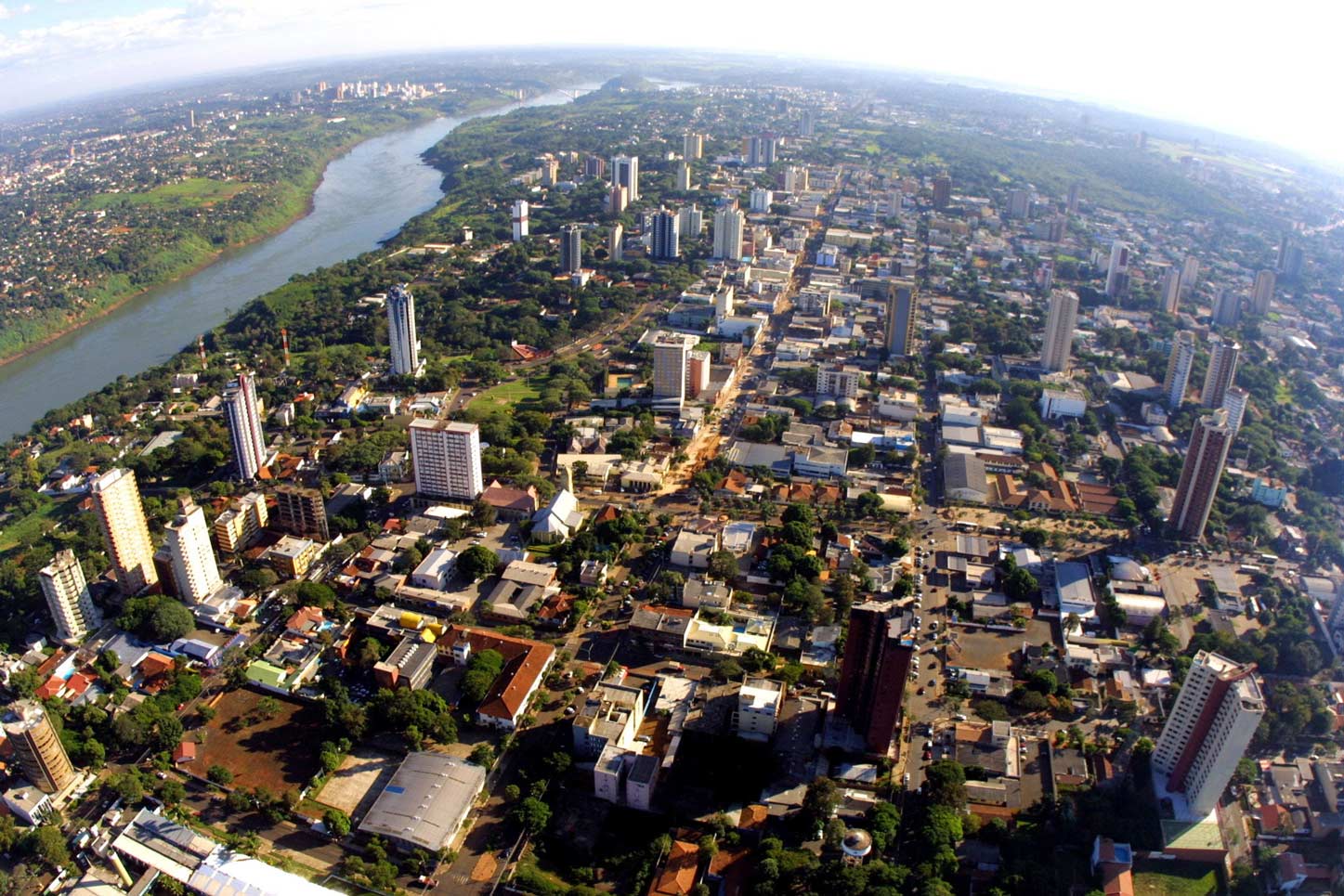
Foz do Iguaçu sits at the convergence of three countries — Paraguay is a short bridge crossing from the city center.
Ciudad del Este in Paraguay is a short crossing over the Friendship Bridge from Foz do Iguaçu — about 15 minutes by car. It’s one of the largest duty-free shopping centers in the world, drawing Brazilians who come for electronics, perfumes, and whisky at prices that aren’t available at home.
For international tourists, the main draw is the experience of crossing into Paraguay and the local market atmosphere rather than the shopping itself. You’ll need your passport — the crossing is quick but it is a real border.
Monday Falls (Salto del Monday) is a significant waterfall about 15 minutes from Ciudad del Este and well worth a stop if you’re in Paraguay for the day. Less visited than Iguazu but genuinely impressive on its own terms.
Practical Notes
- Two full days covers the Brazilian falls, the Argentine side, Itaipu, and Parque das Aves. Three days if you want to add Paraguay and do everything at a slower pace.
- Park entry, the Macuco Safari, and Parque das Aves all have separate tickets. Budget around $80–100 USD per person for all three.
- Coatis — raccoon-like animals — roam freely in the national park and are not afraid of people. Don’t feed them and keep bags closed. They’re fast.
- Bus 120 from the Foz do Iguaçu urban terminal goes directly to the park entrance. About 30 minutes and very cheap.
- Wear light clothes you don’t mind getting wet, especially at the falls. A rain jacket is useful but optional.
- The park entrance has luggage storage if you’re arriving or departing on the same day as your falls visit.